Why Sicily Should Be Your Next Destination
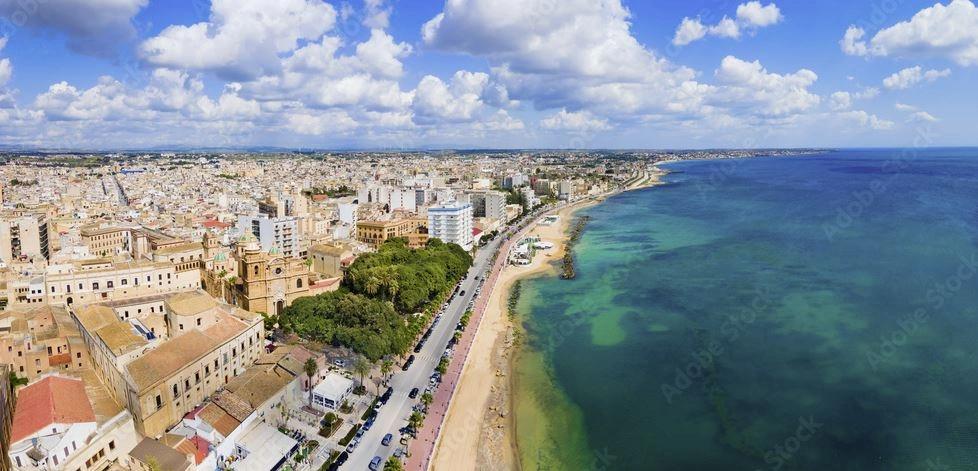
Sicily is the largest island in the Mediterranean, and one of the most rewarding places to travel anywhere in Europe. Ancient Greek temples that rival anything in Greece itself, an active volcano you can climb, some of the best food in all of Italy, beaches that range from white sand to black volcanic rock, and a history layered so deep that Phoenicians, Greeks, Romans, Arabs, Normans, and Spanish all left their mark, often on the very same street.
Read this chapter
This guide is written differently from most. I do not just visit Sicily, I live here. I bought an abandoned villa in the Trapani province of western Sicily and I am restoring it as an off-grid family home, documenting the whole thing through the Operation Sicily project. That means this guide blends the practical research you would expect, when to go, how to get there, what to see, with genuine first-hand knowledge of what this island is actually like to live on across all four seasons. Where most travel guides flew in for a week, I am here in January and in August, in the tourist crush and in the dead quiet of winter.
This is a complete, honest, practical guide to visiting Sicily in 2026. It covers the whole island, east to west, north to south, but it goes deeper on the west, around Trapani, Marsala, and Mazara del Vallo, because that is where I live and where my knowledge runs deepest. Whether you are planning a one-week holiday, a longer exploration, or you are quietly wondering whether Sicily might one day be home, this is the page to start with.
Why Visit Sicily?
Sicily is not simply a smaller version of mainland Italy. It is its own world, shaped by three thousand years of being the strategic crossroads of the Mediterranean. Everyone wanted Sicily, and almost everyone got it at some point, which is why the island feels like nowhere else.
The headline reasons people come are easy to list. The weather is superb, with long hot summers and mild winters that stay green. The food is extraordinary, arguably the best regional cuisine in Italy, built on the freshest seafood, sun-ripened produce, and a sweet-savoury Arab influence you will not find further north. The history is staggering in both depth and quality, with Greek temples, Roman mosaics, Norman cathedrals, and Baroque towns all within a few hours' drive of each other. And the landscape is genuinely dramatic, dominated by Mount Etna, ringed by coastline, and dotted with islands.
But the deeper reason to visit Sicily is harder to put into a list. It is the feeling of a place that has not been fully smoothed over for tourism. Outside the few honeypot towns, Sicily still feels real. Markets are working markets, not heritage attractions. Town centres are genuinely busy with locals living their lives. People stop and talk to you. The pace is slower, the welcome is warmer, and the sense of a distinct, proud, ancient culture is everywhere. That authenticity is the thing that turns a Sicily holiday into the kind of trip people return from changed.
A Quick Overview: Understanding Sicily's Geography
Before planning anything, it helps to understand how Sicily is laid out, because the island is bigger than most people expect and you cannot see it all in one short trip.
Read this chapter
Sicily is roughly triangular, which is why the ancient Greeks called it Trinacria, the three-pointed island, a symbol you will see everywhere. It sits at the toe of Italy's boot, separated from the mainland by the narrow Strait of Messina, and it is closer to North Africa than many visitors realise. The western tip is nearer to Tunisia than to Naples.
The island breaks down into a few broad regions, each with a very different character.
Eastern Sicily is the most visited area, home to Mount Etna, the beautiful resort town of Taormina, the lively city of Catania, and the ancient Greek glory of Syracuse. This is where most first-time visitors concentrate.
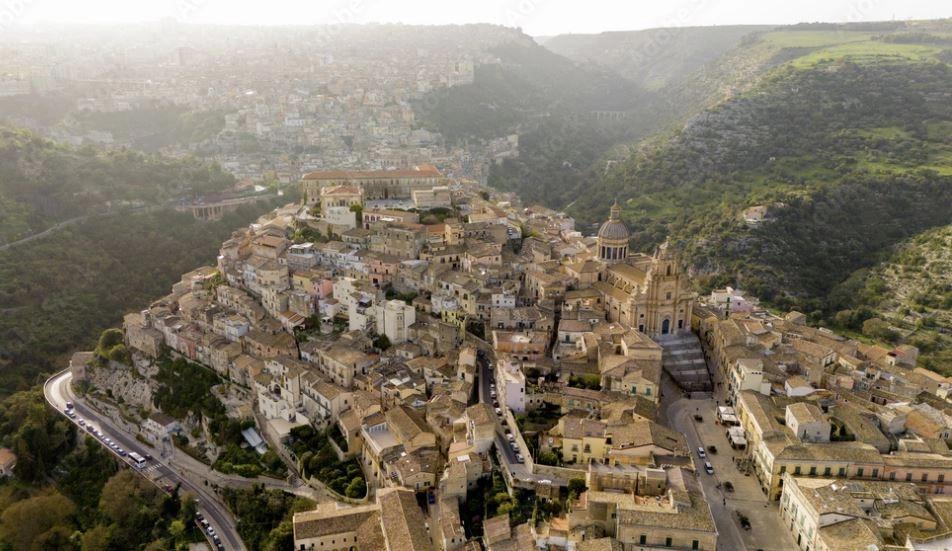
South-eastern Sicily is the land of the Baroque, the honey-coloured towns of the Val di Noto, Noto, Modica, Ragusa, and Scicli, rebuilt in spectacular style after a devastating 1693 earthquake.
The central interior is the wild, rural, mountainous heart of the island, less visited, agricultural, and home to the remarkable Roman mosaics of Villa Romana del Casale.
Northern Sicily centres on Palermo, the island's grand, chaotic, fascinating capital, with the pretty coastal town of Cefalù nearby and the Madonie mountains inland.
Western Sicily, where I live, is the most underrated region of all, built around Trapani, the wine town of Marsala, and the wonderfully multicultural Mazara del Vallo, with salt pans, the Egadi Islands, and ancient Greek sites like Segesta and Selinunte.
You could spend a week in any one of these regions and not run out of things to do. The mistake many first-time visitors make is trying to see all of them in a single short trip and spending the whole holiday driving. Pick a region or two and go deep.
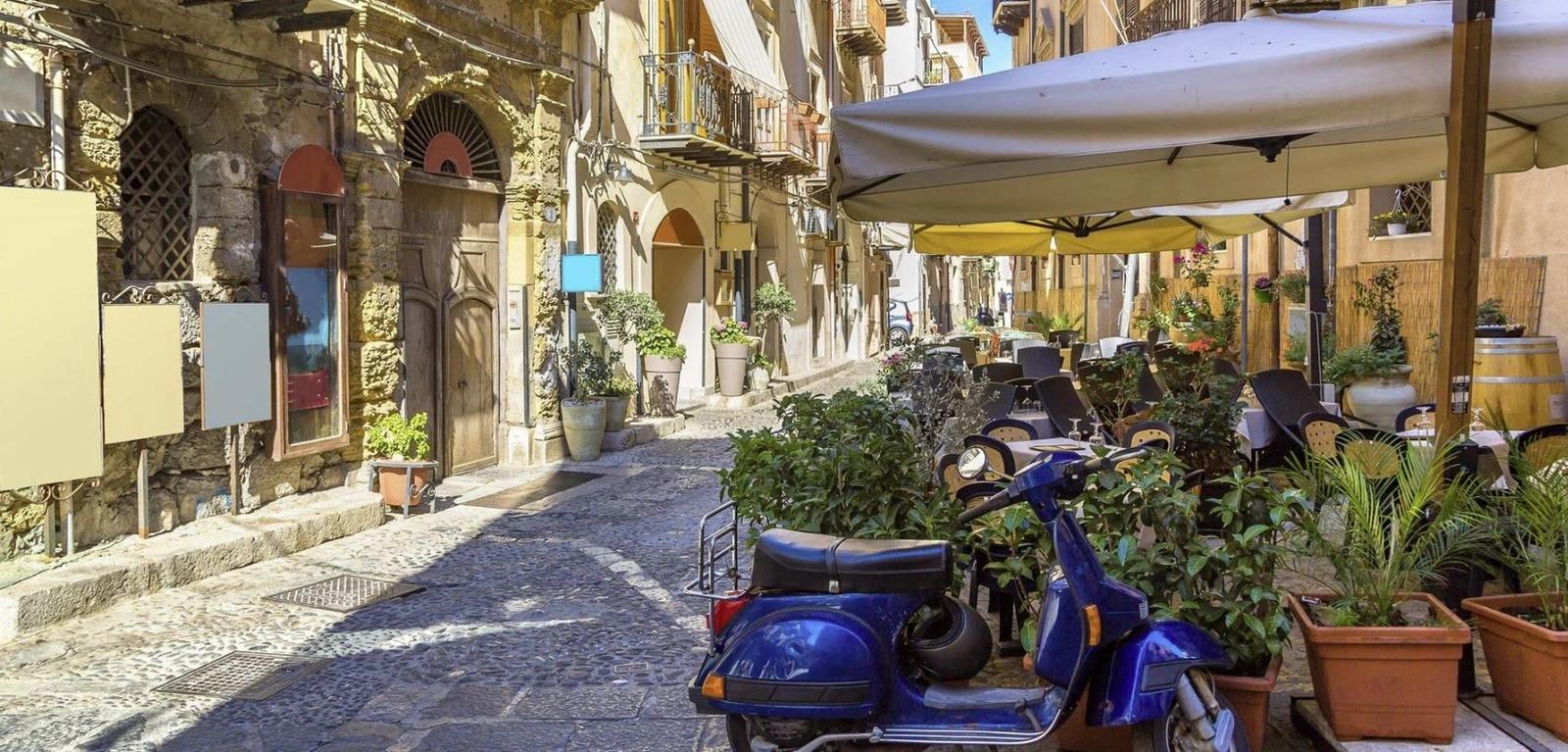
When Is the Best Time to Visit Sicily?
This is one of the questions I get asked most, and as someone who is here year-round, I have strong views on it.
Read this chapter
The short answer is that May and September are the two best months to visit Sicily for most people. They offer warm weather, swimmable seas, manageable crowds, and reasonable prices, without the brutal heat and tourist crush of high summer.
Spring, from March to May, is genuinely the finest season on the island. The countryside is green and covered in wildflowers, the temperatures are comfortable, and the crowds have not yet arrived. April brings Easter, which is a major and deeply atmospheric event across Sicily, with processions and ceremonies in towns and villages, though accommodation books up and prices rise around it. May is close to perfect, warm enough for the beach to start, cool enough to explore comfortably.
Summer, from June to August, is hot, busy, and expensive. July and August regularly see temperatures of 35 to 40 degrees Celsius, especially inland and in the west, and the hot Scirocco wind from North Africa can push it higher still. The coastal towns are packed, particularly around Ferragosto on the 15th of August, when all of Italy holidays at once. If you want the full buzzing Mediterranean summer and the warmest sea, this is your season, but book early and plan around the afternoon heat.
Autumn, from September to November, is wonderful and underrated. September in particular is my personal favourite for a holiday, the sea is at its warmest after a whole summer of heat, the crowds thin out dramatically after the first week, and prices drop. October brings the olive harvest and beautiful light. November is the wettest month but also the quietest and cheapest.
Winter, from December to February, is mild rather than cold, with coastal temperatures rarely dropping below 8 degrees. It is green, quiet, and authentic, with festive towns in December and the famous almond blossom appearing around Agrigento in late January and February. It is not beach weather, but for culture, food, and experiencing the real island without crowds, winter has a quiet magic.
I have written a full, detailed month-by-month breakdown in my guide to the best time to visit Sicily, which goes through exactly what each month is like, including temperatures, crowds, costs, and what each is best for.
How to Get to Sicily
Getting to Sicily is easier than many people expect, with two main international airports, good ferry links, and onward train connections.
Read this chapter
The two principal airports are Catania-Fontanarossa Airport in the east, the island's busiest, ideal for Etna, Taormina, Syracuse, and the Baroque towns, and Palermo Airport in the north-west, best for Palermo, Cefalù, and the western half of the island. Both are served by a wide range of budget and scheduled airlines from across the UK and Europe, with direct flights from many cities.
There is also a third, smaller airport, Trapani-Birgi (Vincenzo Florio) Airport in the far west, which is the most convenient arrival point for Trapani, Marsala, Mazara del Vallo, and the Egadi Islands. It has a more limited route network but is genuinely useful if the west is your focus, as it is for anyone visiting the area where I live. A fourth, very small airport at Comiso serves the south-east.
Trapani-Birgi, the smallest of the three main airports, is worth a closer look if the west is genuinely your focus. It sits almost exactly midway between Trapani and Marsala, around fifteen kilometres from each, and it is a genuinely fast airport to move through, typically fifteen to twenty five minutes from landing to walking out the door, one of the quickest arrivals anywhere in Italy. It is served mostly by Ryanair, with routes from Rome, Milan Bergamo, London Luton, Paris Beauvais, Frankfurt, Brussels, and a scattering of other European cities, so it rewards a bit of flexibility on dates rather than offering the scheduled range Catania and Palermo provide.
From Trapani-Birgi, Segesta, San Vito Lo Capo, the salt pans, and Mozia are all a short drive away, and Mazara del Vallo itself sits around forty minutes down the coast.
Driving times between the three airports are worth knowing before you commit to one. Trapani to Palermo is around ninety kilometres and takes a little over an hour by road, or as little as thirty four minutes if you happen to find a direct flight between the two, genuinely one of the shortest scheduled hops in the country. If Agrigento and the Valley of the Temples are on your list, the routing matters more than people expect.
From Trapani, the coastal SS115 through Marsala, Mazara del Vallo, and Sciacca covers around one hundred and seventy five kilometres and takes roughly two and a half hours, a genuinely scenic drive along the southern coast. From Palermo, the distance is shorter on paper, around one hundred and thirty kilometres, but the inland SS189 crosses the Sicani hills and takes just as long, closer to two and a half hours, so do not assume the shorter route on a map is actually the faster one in practice.
If you are flying into Trapani without a car for the first leg of your trip, AST buses run several times a day directly from the airport to both Marsala and Mazara del Vallo, with a ticket to Marsala costing only a couple of euros, and a separate service run by Salvatore Lumia connects the airport to Agrigento three times a day. Useful to know if you are building an itinerary around public transport before picking up a hire car later in the trip.
If you would rather not fly, or you are bringing a car, ferries connect Sicily to the Italian mainland and beyond. Numerous crossings run across the Strait of Messina from Villa San Giovanni in Calabria, the quickest link to the mainland, and longer overnight ferries connect Palermo and Catania with Naples, and other ports with Genoa, Civitavecchia near Rome, Salerno, Cagliari in Sardinia, and Malta. Trains from mainland Italy actually board the ferry across the strait, an unusual experience where the whole train is shunted onto the boat.
When choosing your arrival airport, think about which region you are focusing on, because Sicily is large and a transfer from the wrong airport can eat a half-day of driving. Fly into Catania for the east, Palermo for the north and centre, and Trapani for the deep west.
Getting Around Sicily
Once you arrive, the single most important decision is how you will get around, and for most visitors the honest answer is that you should hire a car.
Read this chapter
Sicily rewards independent exploration. The best beaches, the ancient sites, the hill towns, the wineries, and the rural countryside are often poorly served by public transport, and a car gives you the freedom to follow the island at your own pace. The motorways, the A19 between Palermo and Catania and the A29 out to the west, are good and largely toll-free, which is a pleasant surprise. Driving in the cities, particularly Palermo and Catania, is genuinely chaotic and best avoided, but rural and intercity driving is straightforward and one of the great pleasures of a Sicilian trip.
That said, you can manage without a car if you base yourself in the cities and stick to the main routes. Trains run along the coasts and connect the major centres, operated by Trenitalia, and they are cheap, if not always fast. Buses, run by companies like SAIS and Interbus, often cover intercity routes more efficiently than the trains, particularly between Palermo, Catania, and the larger towns. For island day trips, frequent ferries and hydrofoils connect the mainland to the Egadi, Aeolian, and Pelagie archipelagos.
My honest advice: if your trip is built around cities and a few major sights, public transport is workable and saves the stress of driving. If you want to see the real Sicily, the rural west, the quiet beaches, the wineries and the small towns, hire a car. It transforms what you are able to experience. Before you set off, my complete guide to driving in Sicily covers everything you need to know, from car hire and road rules to ZTL zones and what Sicilian driving is actually like on the ground.
Exploring Sicily Region by Region
Sicily is too varied to treat as one place. Each region has its own landscape, its own atmosphere, and its own highlights. Here is how the island breaks down, starting in the east where most visitors begin, and finishing in the west where I live and which I know best.
Eastern Sicily: Etna, Taormina and Catania
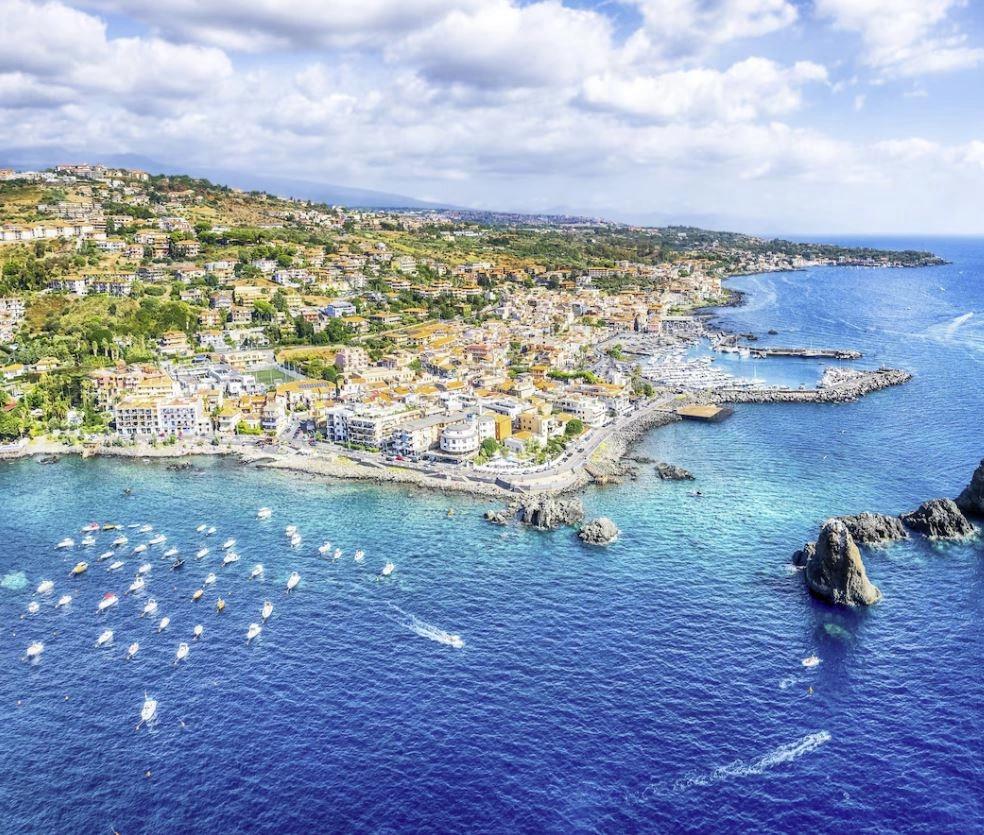
Eastern Sicily is the island's tourism heartland, and for good reason. This is where Mount Etna dominates the skyline, where the most famous resort town perches above the sea, and where one of Italy's most energetic cities sprawls at the foot of the volcano.
Read this chapter
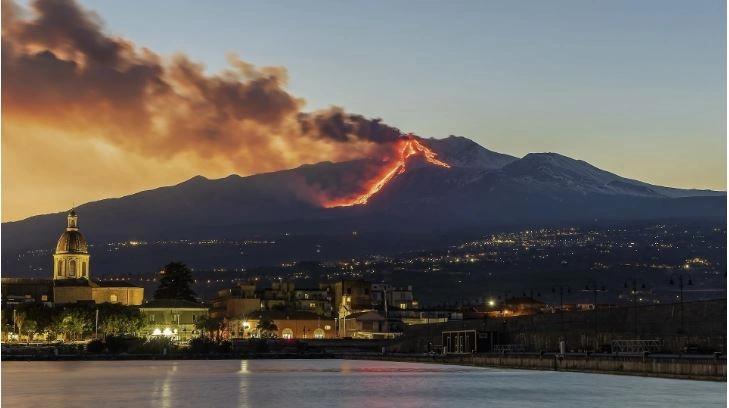
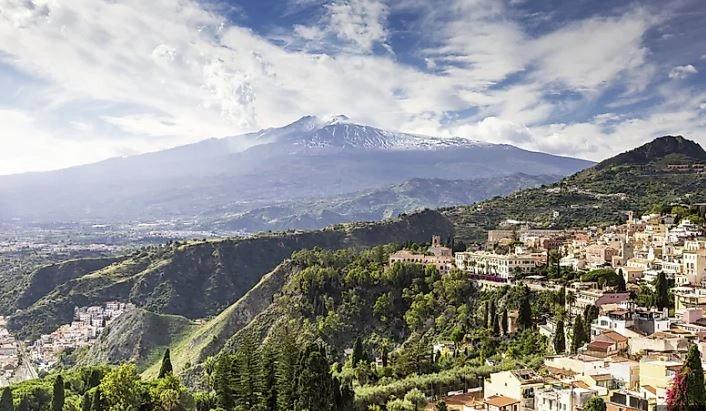
Mount Etna is the obvious centrepiece. At roughly 3,300 metres (3,357 metres when measured in 2021), it is the highest active volcano in Europe and one of the most active in the world, a UNESCO World Heritage Site whose eruptions regularly light up the night sky. You can visit Etna in many ways: drive up to the Rifugio Sapienza at around 1,900 metres and take the cable car and 4x4 trucks higher, hike its lower slopes and craters with a guide, or simply tour the wineries that thrive on its mineral-rich volcanic soil.
The wines of Etna, particularly the reds made from Nerello Mascalese, have become some of the most sought-after in Italy. Etna is genuinely unmissable, and seeing it up close is one of the defining experiences of any Sicily trip. For trails, access points, and current information, the official Parco dell'Etna park authority is the best resource, and it is wise to check current volcanic activity before any visit to the higher slopes.
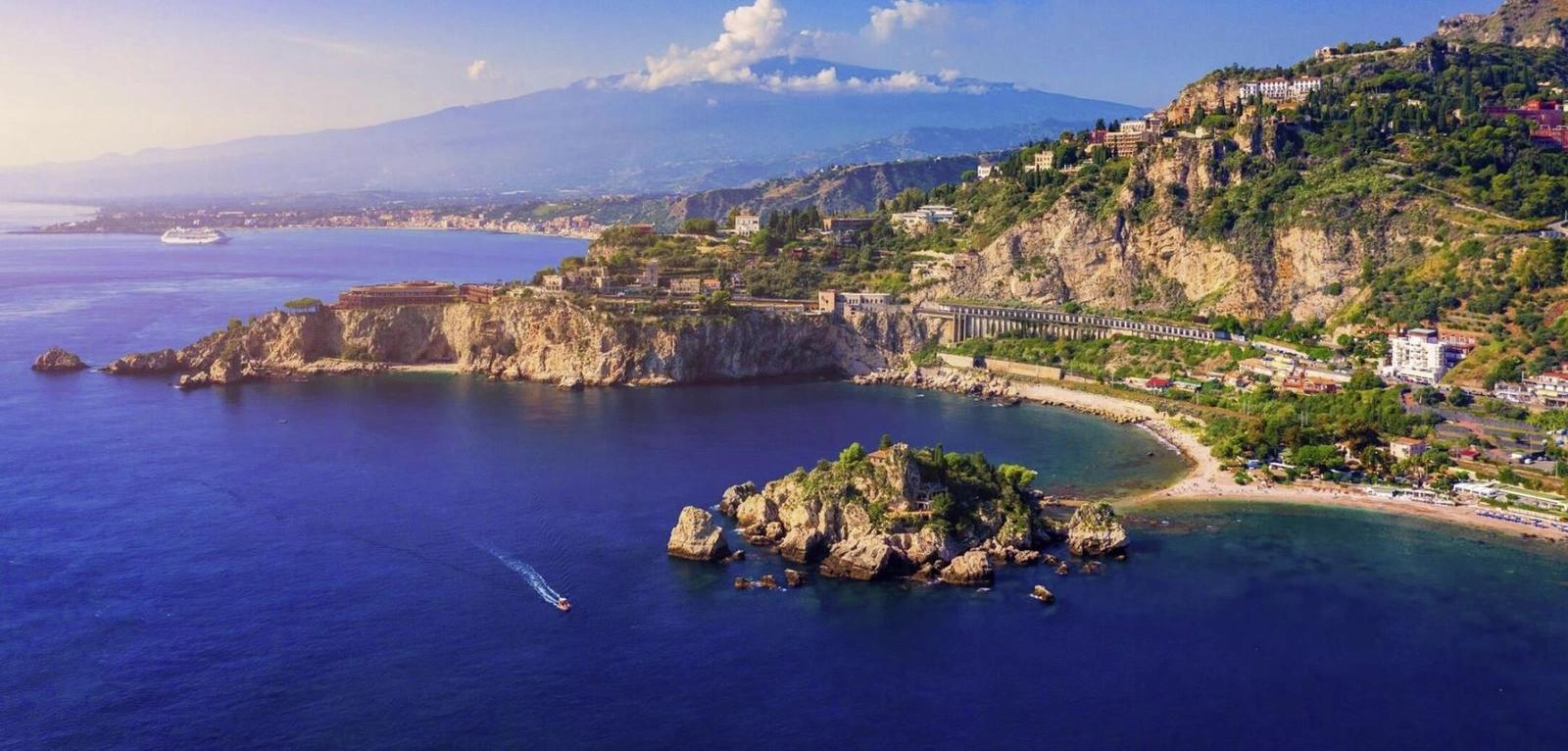
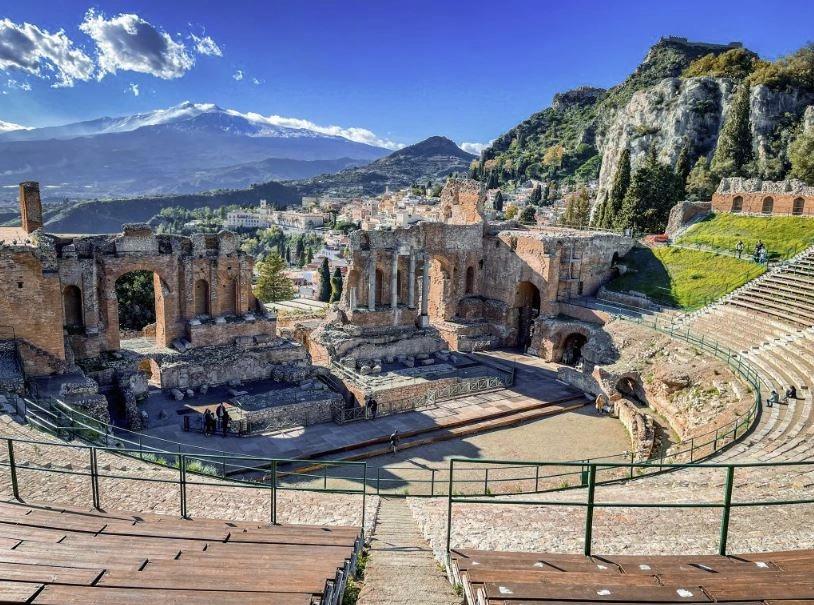
Taormina is the island's most famous resort, a beautiful medieval town clinging to a clifftop high above the Ionian Sea, with Etna as its backdrop. Its ancient Greek-Roman theatre, still used for performances today, is one of the most spectacularly sited ancient monuments anywhere in the world, framing the volcano and the sea beyond the stage. Taormina is undeniably gorgeous, but it is also the most touristy and expensive place in Sicily, busy and pricey in high season. It is well worth visiting; just go in early morning or shoulder season to see it at its best. Below the town, the tiny island of Isola Bella sits in a turquoise cove, a nature reserve and one of Sicily's prettiest swimming spots.
Catania is Sicily's second city, built largely from black volcanic stone that gives it a unique and dramatic appearance. Rebuilt in Baroque style after the 1693 earthquake and an Etna eruption, its centre is a UNESCO-listed mix of grand squares and lively streets. The fish market, La Pescheria, is one of the great sensory experiences in Sicily, a loud, chaotic, theatrical daily spectacle of seafood and shouting vendors. Catania has superb food, a buzzing student and nightlife scene, and easy access to Etna, making it an excellent base for the east.
South-Eastern Sicily: The Baroque Towns of the Val di Noto
South of Catania and Syracuse lies one of the most beautiful corners of the island, the Val di Noto, a cluster of honey-coloured Baroque towns that form a UNESCO World Heritage Site. After a catastrophic earthquake destroyed the region in 1693, these towns were rebuilt in the elaborate late Baroque style of the era, and the result is an extraordinary concentration of golden stone, sweeping staircases, ornate churches, and theatrical piazzas.
Noto is the jewel, often called the capital of Sicilian Baroque, its main street lined with glowing limestone palaces and churches that turn amber at sunset. Ragusa, particularly the older Ragusa Ibla, is built across a dramatic ravine and is achingly photogenic. Modica is famous both for its layered Baroque townscape and for its unique grainy chocolate, made using an ancient cold-processing method that traces back to the Aztecs via the Spanish. Scicli, smaller and quieter, is a film-set of a town, familiar to fans of the Inspector Montalbano television series, much of which was filmed across this region.
The Val di Noto is best explored slowly by car, town to town, with long lunches and unhurried wandering. It is one of the most romantic and rewarding parts of Sicily, and a little less crowded than Taormina, though its popularity is steadily growing.
Syracuse and Ortigia: Ancient Greek Glory
Just south of Catania, Syracuse deserves its own mention, because it was once one of the most powerful cities in the entire ancient world. The Roman orator Cicero called it the greatest and most beautiful of all Greek cities, and its history rivals Athens itself.
The Neapolis Archaeological Park preserves a magnificent ancient Greek theatre, still used today for a celebrated annual season of classical drama, alongside a Roman amphitheatre and the vast limestone quarry containing the Ear of Dionysius, a remarkable cave with extraordinary acoustics. But the real magic of Syracuse is Ortigia, the small island that forms the historic heart of the city. A warren of golden streets, sunlit squares, and sea views, Ortigia is endlessly atmospheric. Its Cathedral is built directly into the columns of an ancient Greek temple to Athena, the old and the older fused into one living building, and its daily market is among the best on the island. Syracuse and the nearby rocky necropolis of Pantalica together form another of Sicily's seven UNESCO World Heritage Sites.
Central Sicily: The Wild Interior
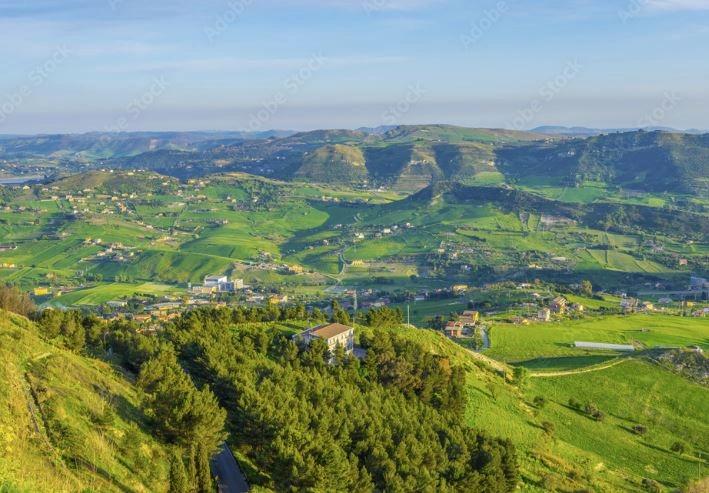
The interior of Sicily is the part most visitors skip, and while it lacks the obvious draws of the coast, it has its own rugged appeal and one genuinely world-class attraction.
Read this chapter
Villa Romana del Casale, near the town of Piazza Armerina, is a UNESCO World Heritage Site preserving the finest Roman mosaics in situ anywhere in the world. This vast, luxurious late-Roman villa, built around the early 4th century AD, contains an astonishing 3,500 square metres of intricate, vividly preserved mosaic floors. It is one of the most impressive Roman sites in all of Italy and well worth the detour into the island's heart.
The villa's story is genuinely remarkable beyond the mosaics themselves. Built most likely for a high ranking Roman official, possibly even the emperor Maximianus Herculius, Diocletian's co-ruler, who is known to have held estates in Sicily, the villa functioned as the residential heart of a vast agricultural estate rather than a simple country retreat. The mosaics were laid by North African workshops, and the villa remained in use through the late Roman and Byzantine periods before Norman occupation in the 12th century.
A catastrophic landslide from nearby Monte Mangone then buried the entire complex around 1161, a genuine disaster for anyone living there at the time, but the very thing that preserved these mosaics in such extraordinary condition for the next seven hundred years, protected from weather, looting, and later building work until proper excavation finally began in the mid-20th century.
Two specific rooms are worth knowing before you go, since they are what most people actually come to see. The Corridor of the Great Hunt runs for over sixty metres and depicts the capture and transport of exotic animals, elephants, tigers, ostriches, and more, from across Africa and Asia, destined for the arena games back in Rome, a direct, boastful display of the owner's reach and resources. The Chamber of the Ten Maidens, nearby, shows young women engaged in athletic contests, weightlifting, discus, running, and ball games, dressed in what look remarkably like modern bikinis, a genuinely rare surviving depiction of female sporting life in the ancient world, and one of the most reproduced images from all of Roman art.
Walkways now guide visitors through the site in a set order, following the same route Roman guests would once have taken from the public reception rooms toward the private family quarters, so the whole visit builds in the same sequence the villa itself was actually designed to create.
Beyond the villa, central Sicily is a land of golden wheat fields, remote hill towns, faded grandeur, and authentic rural life. Towns like Enna, perched dramatically at the geographic centre of the island, and Caltagirone, famous for its ceramics and its monumental tiled staircase, reward those willing to venture inland away from the tourist routes. Central Sicily also sits within genuinely easy reach of Agrigento and the Valley of the Temples further south, making it entirely possible to combine both into a single inland day away from the coast.
Southern Sicily: Agrigento and the Valley of the Temples
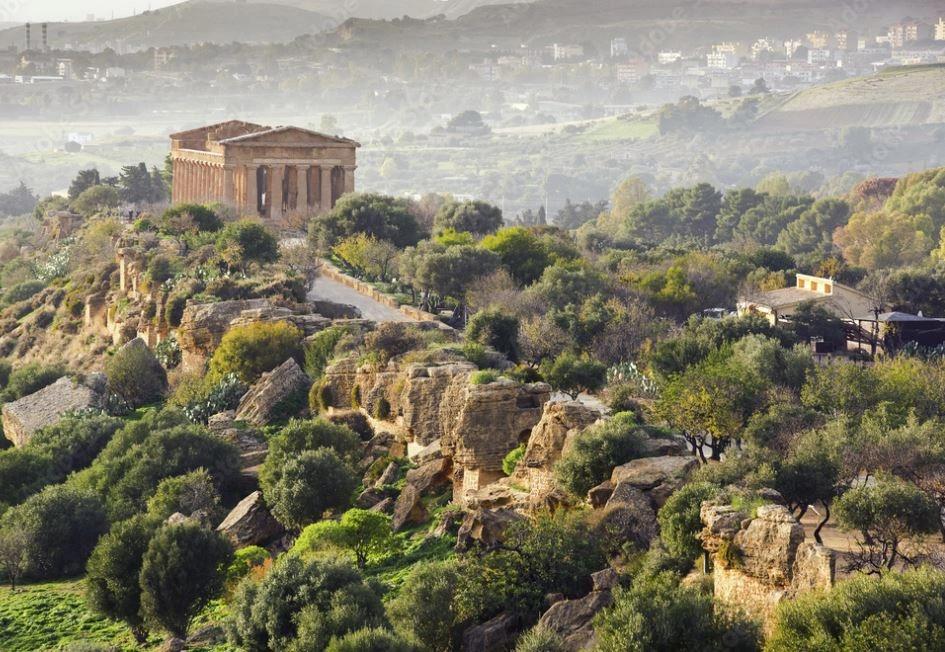
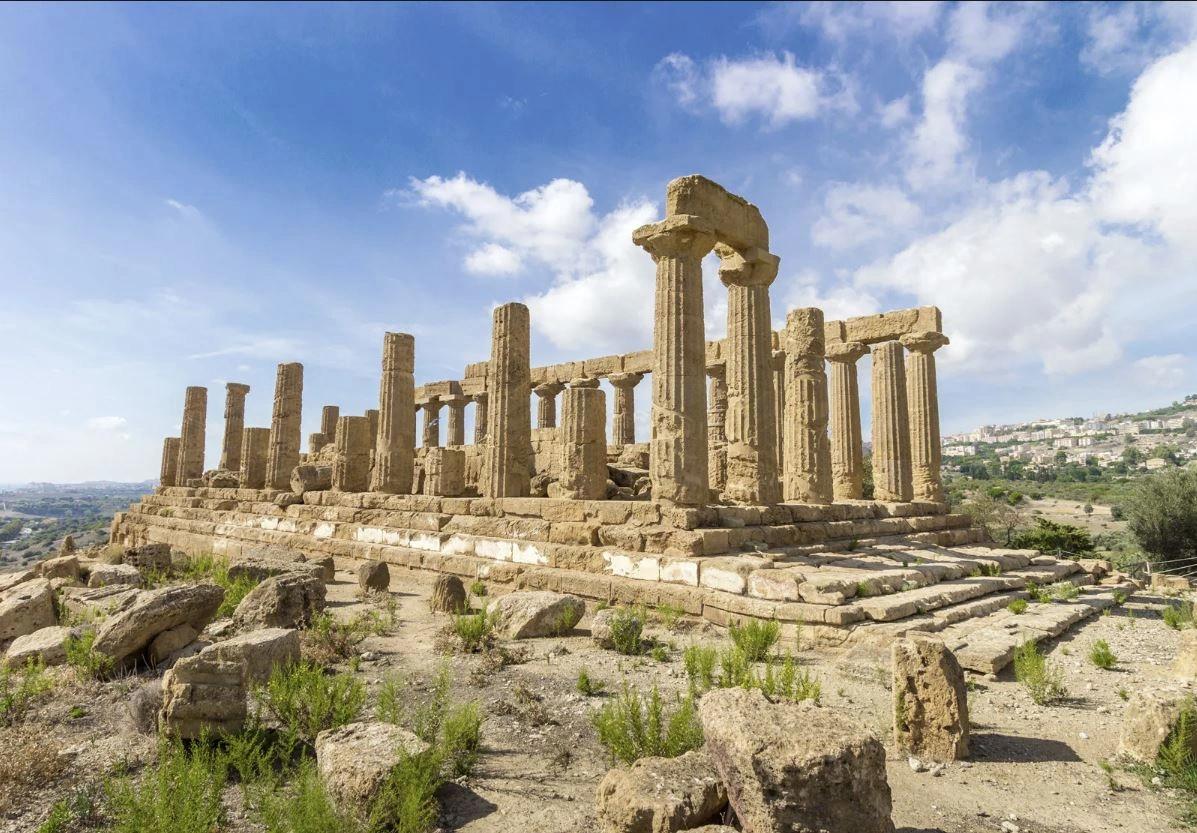
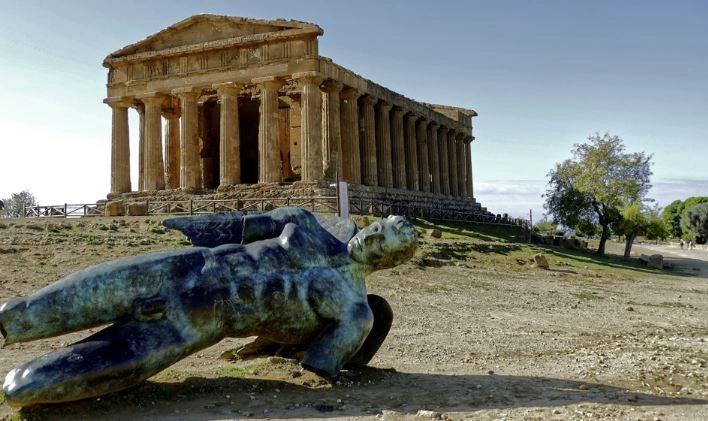
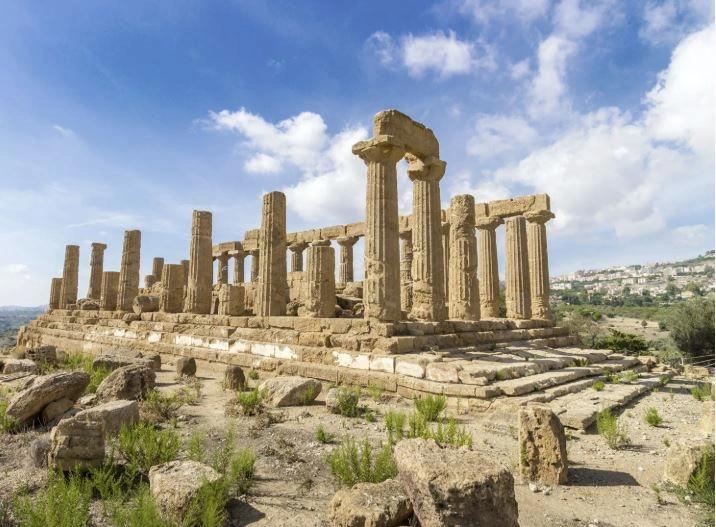
On the southern coast sits an extensive archaeological landscape, the ruins of ancient Akragas, a Greek city so admired in its own time that the poet Pindar called it the most beautiful ever built by mortal hands. Its Doric temples once lined a ridge deliberately positioned to impress anyone approaching by land or sea, and one of them, the Temple of Concordia, survives in genuinely extraordinary condition today for an unexpected reason, a sixth century bishop converted it into a church, and that single decision protected it from the earthquakes and quarrying that reduced its neighbours to fragments.
Read this chapter
Stand in front of it now and you will find a striking piece of modern art waiting beside the ancient stone, a bronze statue of the falling Icarus, wings melted, mid collapse against a temple that has stood for two and a half thousand years.
Not every temple here survived so gently. The Temple of Juno still carries a visible reddish scorching across its stone, widely believed to be scar tissue from the fires Carthage set when it finally destroyed the city in 406 BC, a genuinely sobering thing to stand in front of. And the Temple of Olympian Zeus was never even finished, its roof once meant to be carried not by ordinary columns but by telamons, colossal stone giants over seven metres tall, standing with arms raised as though physically bearing the weight above them. One of these giants has recently been raised upright again after twenty years of painstaking restoration, a genuinely remarkable thing to witness in person.
This same stretch of coast also produced Sicily's Nobel laureate, the playwright Luigi Pirandello, whose ashes were carried home from Rome by fellow writer Andrea Camilleri and now rest beneath a memorial stone marking a pine tree destroyed by storm decades ago, exactly as Pirandello's own will requested. Every February, the whole valley turns white and pink as its almond trees burst into bloom for the town's Sagra del Mandorlo in Fiore, ancient columns rising out of drifts of fallen petals.
Scala dei Turchi is a fragile coastal site with managed access. Check the Comune di Realmonte’s current arrangements, booking availability and restrictions before travelling. Do not assume that the beach approach permits access onto the white cliffs or into a restricted area.
I have covered every part of this properly, the temples, the giants, the writer, and the pirates' staircase, in my dedicated guide to Agrigento, the Valley of the Temples and Scala dei Turchi.
Ready to paste in at that same spot, right after Central Sicily and before Northern Sicily. And the UNESCO list fix from before still stands too, worth doing both in the same sitting since you'll already be in that part of the page.
Northern Sicily: Palermo and Cefalù
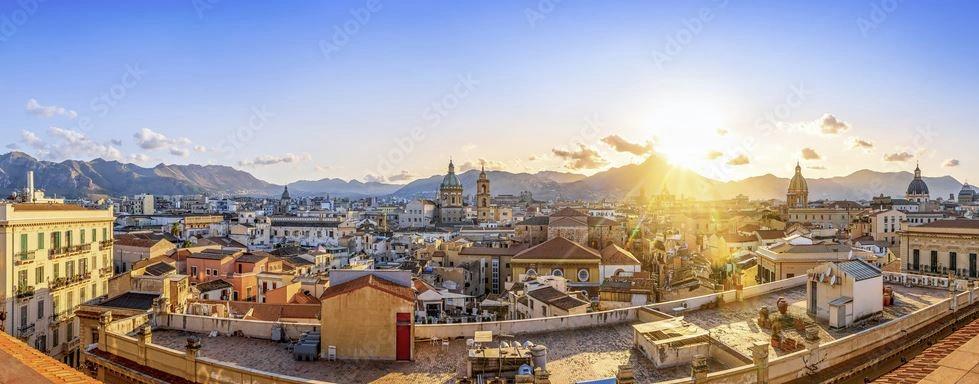
The north of the island is dominated by Palermo, Sicily's capital and one of the most compelling cities in the Mediterranean. Palermo is chaotic, intense, occasionally overwhelming, and utterly unforgettable. Its layered history as the seat of Arab emirs and then Norman kings has left an architectural legacy unlike anywhere else, captured in the UNESCO-listed Arab-Norman Palermo itinerary, which includes the dazzling Palatine Chapel inside the Norman Palace, the Cathedral, and several extraordinary churches where Islamic, Byzantine, and Western styles sit alongside one another.
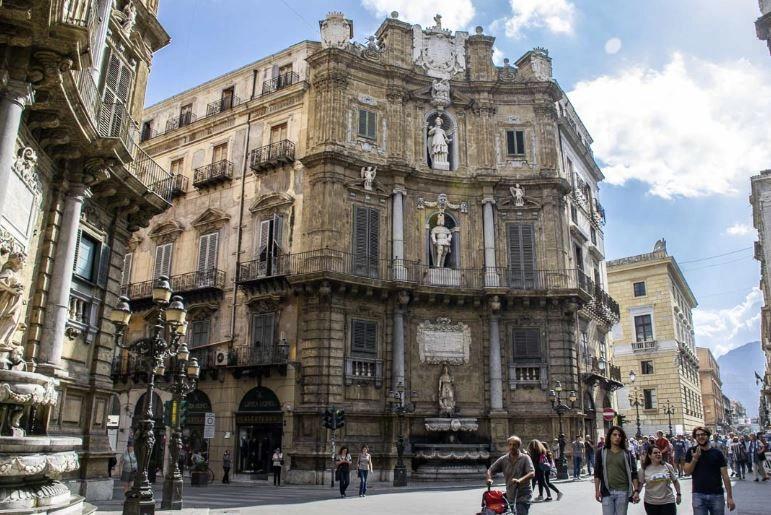
Palermo's street markets, Ballarò, Vucciria, and Capo, are loud, ancient, and thrilling, and its street food is among the best in the world, from arancini to the famously challenging local specialities. The city's grand decaying palazzos, its opera house, and its sheer energy make it a destination in its own right. Just outside the city, the cathedral at Monreale contains some of the most breathtaking golden mosaics in existence.
Along the coast east of Palermo, Cefalù is a postcard-perfect medieval seaside town beneath a towering rock, with a magnificent Norman cathedral, a sandy beach, and a tangle of charming streets. It is one of the most popular spots on the north coast, busy in summer but genuinely lovely, and its cathedral is part of the same UNESCO Arab-Norman listing as Palermo.
Western Sicily: The Island's Most Underrated Region
This is the part of Sicily I know best, because it is where I live. Western Sicily, centred on the province of Trapani, is the most overlooked region of the island, and in my honest opinion the most rewarding for travellers who want authenticity over crowds. While the coaches pour into Taormina and Palermo, the west remains quieter, cheaper, and in many ways more genuinely Sicilian. If you want to understand why I chose this corner of the island to build my life and my project, this section is the heart of the guide.
Read this chapter
Trapani, the provincial capital, is a handsome port city built on a curving spit of land reaching out into the sea. Its old town is elegant and walkable, full of Baroque churches and seafood restaurants, and its position makes it the gateway to some of the region's best experiences. From Trapani you can take a cable car up to the stunning medieval mountain town of Erice, perched almost 750 metres above the sea, often wrapped in cloud, with cobbled streets, ancient churches, and views that on a clear day stretch to the Egadi Islands and even Tunisia. Erice is one of the most atmospheric places in all of Sicily and feels like stepping into another century.
The salt pans between Trapani and Marsala are one of the most distinctive sights in western Sicily, a working landscape of shallow salt flats, old windmills, and glittering white salt mountains, where sea salt has been harvested since Phoenician times. At sunset, the pans turn pink and gold, and the whole scene becomes genuinely magical. The Stagnone lagoon here is also home to Mozia, a tiny island that was one of the most important Phoenician settlements in the Mediterranean, now a fascinating archaeological site reached by a short boat ride.
Marsala, famous worldwide for its fortified wine, is a graceful town with a bright, sun-bleached historic centre. The wine cellars, or baglios, offer tastings and tours, and the town itself has a relaxed, prosperous charm. Marsala is also where Garibaldi famously landed in 1860 to begin the unification of Italy, giving it a place in the country's national story.
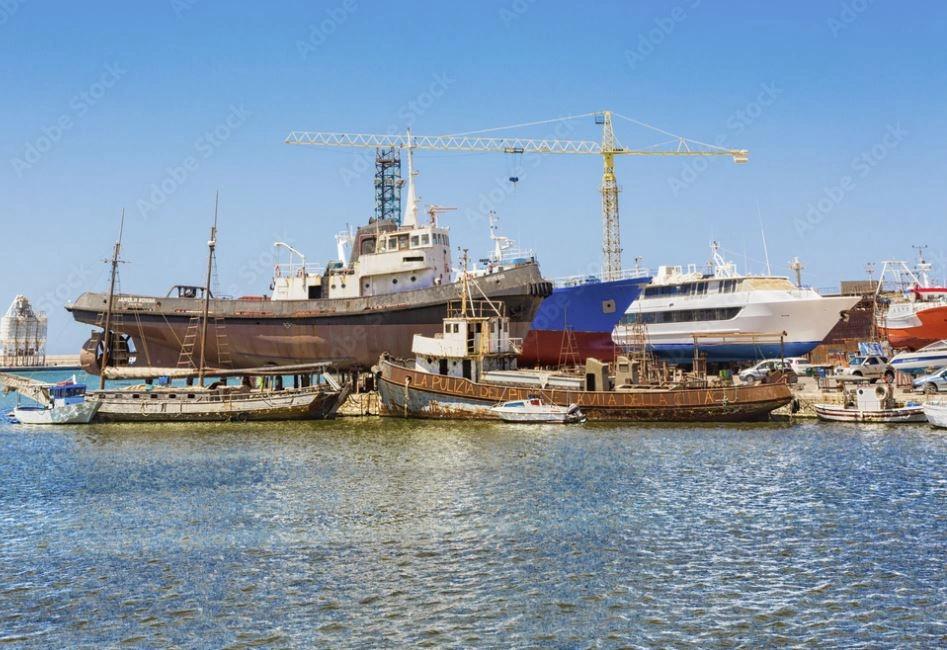
Mazara del Vallo is, for me, the most fascinating town in the entire region, and the one I have come to know most intimately, since my villa sits in the countryside just outside it. Mazara is genuinely unlike anywhere else in Sicily. Sitting at the mouth of the Mazaro River, closer to Tunisia than to much of mainland Italy, it has one of the largest fishing fleets in the country and a deeply multicultural soul.
Its Kasbah quarter is a living Arab district, still inhabited and shaped by a large Tunisian community, with narrow tiled streets that feel transported from North Africa. Its most famous treasure, the Dancing Satyr, is an ancient Greek bronze pulled from the sea by local fishermen, perfectly symbolising the town's bond with the Mediterranean. The town centre is thriving and authentic in a way that has largely vanished elsewhere in Europe, with independent shops, busy streets, and a genuine sense of community.
I have written a complete dedicated guide to Mazara del Vallo covering its history, food, beaches, and what it is like to live there, and I would point anyone curious about the real western Sicily there first.
Western Sicily also holds two of the island's greatest ancient Greek sites, both far less crowded than their eastern counterparts. Segesta features a beautifully preserved Doric temple standing alone in rolling green hills, alongside a hilltop theatre with sweeping views, an unforgettable and serene archaeological site. Selinunte, on the south-west coast, is one of the largest archaeological parks in Europe, a vast scatter of ruined and partially reconstructed Greek temples set right above the sea, evocative and atmospheric and often surprisingly quiet.
For beaches, the west delivers some of Sicily's best. San Vito Lo Capo, north of Trapani, is a glorious crescent of white sand and turquoise water beneath a dramatic headland, regularly rated among Italy's finest beaches, and home to a famous couscous festival each autumn that celebrates the region's North African heritage. The nearby Zingaro Nature Reserve protects a stretch of wild, undeveloped coastline with hidden coves, hiking trails, and crystal-clear swimming, one of the most beautiful coastal walks on the island. Sicily's network of protected natural areas, several of them managed in partnership with WWF Italy, is one of the island's quieter pleasures. Closer to Mazara, the long sandy beach of Tonnarella and the protected wetland of Capo Feto offer quieter, more local spots.
The west is also the gateway to the Egadi Islands, Favignana, Levanzo, and Marettimo, a short ferry ride from Trapani or Marsala, with some of the clearest water in the Mediterranean. And the whole region is wine country, the wider Val di Mazara producing the grapes behind Marsala and a growing range of excellent western Sicilian wines.
If there is one piece of advice I would give based on living here, it is this: do not skip the west. Most visitors never make it past Palermo, and they miss the most authentic, affordable, and welcoming part of the island. For a deeper sense of what daily life here is genuinely like, beyond the holiday view, I have written honestly about it in what it's really like living in rural Italy, Sicily.
The Islands Around Sicily: Aeolian, Egadi and Pelagie
One of the great joys of a Sicily trip is that the island is itself surrounded by smaller archipelagos, each with its own distinct character, and all reachable by ferry or hydrofoil. Island-hopping from Sicily is one of the most rewarding things you can do here.
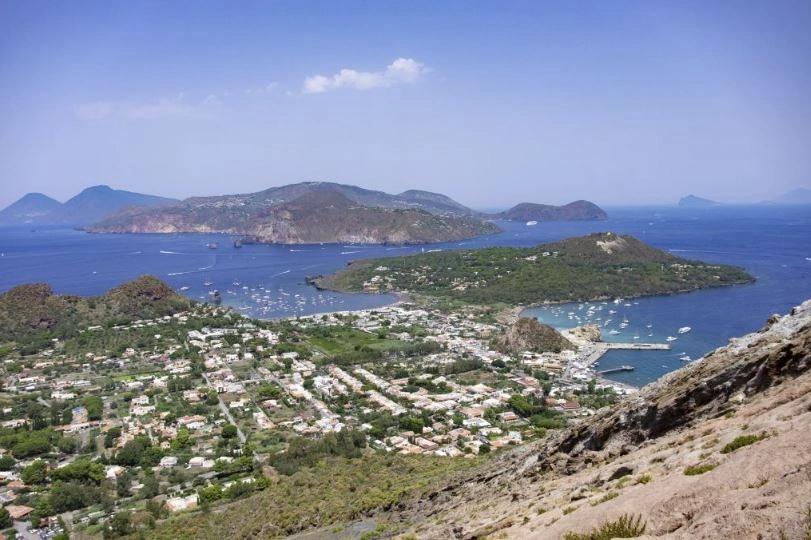
The Aeolian Islands, off the north coast, are a UNESCO World Heritage Site and the most dramatic of the three groups, seven volcanic islands including Stromboli, with its near-constant eruptions lighting up the night, and Vulcano, with its therapeutic mud baths and sulphur springs. Lipari is the largest and liveliest, while Panarea is chic and Salina lush and green.
The Egadi Islands, off the west coast near Trapani, are quieter and known for spectacularly clear water and unspoilt beauty. Favignana, shaped like a butterfly, is perfect for cycling between turquoise coves, while Levanzo is tiny and peaceful with prehistoric cave paintings, and Marettimo is wild and mountainous, a paradise for hikers.
The Pelagie Islands, far to the south and actually closer to Africa than to Sicily, include Lampedusa, famous for Rabbit Beach, regularly voted among the world's most beautiful, and the volcanic island of Linosa. These are the most remote of the three groups, requiring a long ferry or a flight, but offering genuinely exotic, tropical-feeling beaches.
I have written a complete guide to exploring all three archipelagos, including ferry routes, schedules, and what makes each island special, in island hopping Sicily: guide to Aeolian, Egadi and Pelagie.
Sicilian Food and Drink: A Cuisine Like No Other
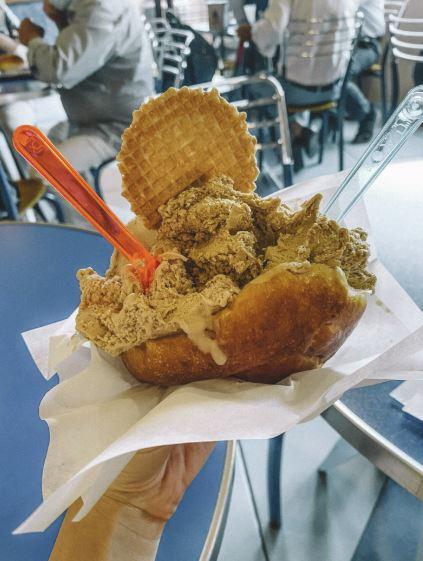
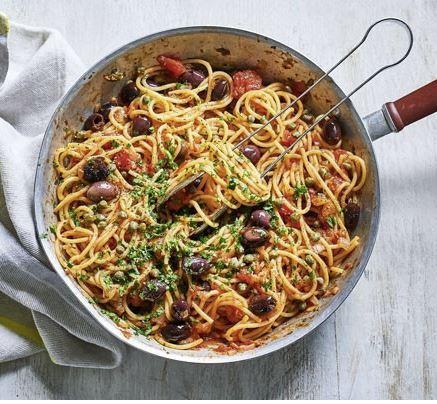
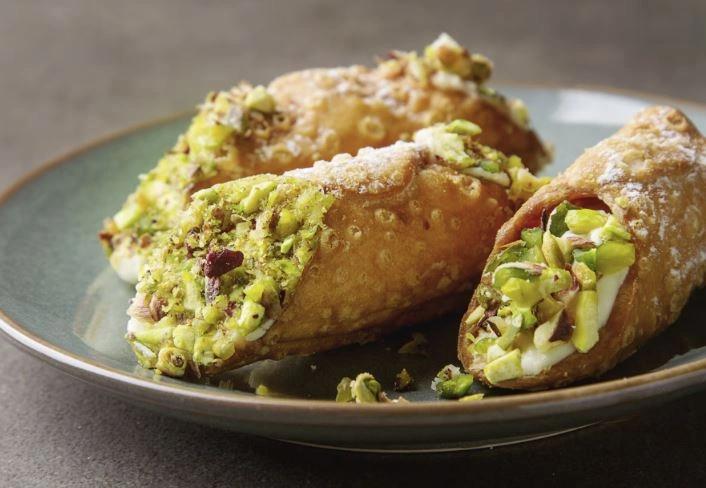
If there is one thing that turns visitors into lifelong lovers of Sicily, it is the food. Sicilian cuisine is widely regarded as the finest regional cooking in Italy, and it is genuinely distinct from the food of the mainland. Three thousand years of conquest left their flavours behind, and nowhere is the island's layered history more delicious than at the table. The Greeks brought olives, grapes, and honey. The Romans brought wheat. The Arabs, most influentially of all, brought citrus, almonds, sugar, rice, and a love of sweet-and-savoury combinations that defines Sicilian cooking to this day, a legacy I have traced in far more depth in History and Identity.
Read this chapter
Seafood is, naturally, central, given that nowhere on the island is far from the sea. Swordfish, tuna, sardines, anchovies, octopus, squid, and prawns appear everywhere, at their freshest in the coastal towns, landed daily by fleets like the one I have documented in full in the Harbour and Fishing Fleet. In Mazara del Vallo, the prized Gambero Rosso red prawn is a genuine gourmet icon, sweet and delicate and best eaten almost raw. Pasta con le sarde, with sardines, wild fennel, pine nuts, and raisins, is a signature dish that captures the Arab-influenced sweet-savoury balance perfectly.
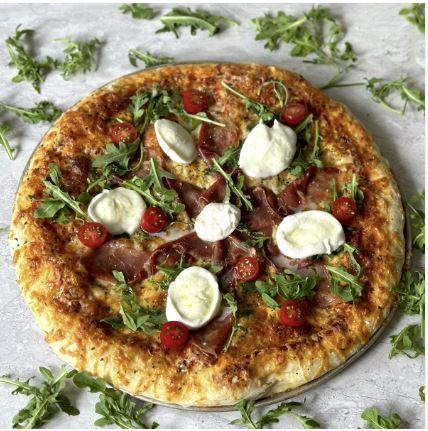
Street food is a Sicilian art form, especially in Palermo and Catania. Arancini, deep-fried stuffed rice balls, are the most famous, but the island also offers panelle (chickpea fritters), sfincione (a thick Sicilian focaccia-pizza), and for the adventurous, pane ca meusa, a spleen sandwich that is a Palermo institution. Pane cunzato, rustic bread dressed with oil, tomatoes, cheese, and anchovies, is a simpler everyday delight.
Beyond these famous dishes, a proper Sicilian table has a whole second layer worth knowing about. Caponata, a sweet and sour medley of aubergine, tomato, celery, capers, and olives, sits on almost every antipasto table on the island, and its exact balance of vinegar and sugar varies noticeably from one nonna's kitchen to the next. Sarde a beccafico, sardines butterflied open, stuffed with breadcrumbs, pine nuts, raisins, and bay leaf, then rolled and baked, is one of the clearest examples of the island's Arab-influenced sweet-savoury instinct applied directly to fish rather than pastry, and it changes character as you travel, fried in Catania, gently stewed further north around Messina.
Panelle are often stuffed into a bread roll alongside cazzilli, small potato croquettes, for one of the cheapest and most satisfying lunches on the island.
Bread itself splits the island in two in a way most visitors never notice. The thick, focaccia-like sfincione dominates the west, sold warm from market carts topped with tomato, onion, and anchovy, while the east favours scacce, a folded flatbread from the Ragusa area filled with tomato, onion, and the local ragusano cheese. Both are proper meals in themselves, not a side dish.
The influence of North Africa is clearest in the west, where couscous is a regional staple, served with a rich fish broth rather than meat, a dish that perfectly expresses the cultural mingling of towns like Mazara and San Vito Lo Capo. The pasta of the Trapani region, busiate, hand-twisted and served with pesto alla Trapanese, almonds, tomatoes, and basil, is another western speciality worth seeking out.
The island's cooking also follows a genuine seasonal rhythm that shapes what actually turns up on a menu. Spring brings artichokes and broad beans, the height of summer is built around tomatoes and capers at their most intense, autumn shifts toward mushrooms and the year's first new olive oil, and winter leans on citrus and cauliflower. Eating with the season rather than against it is one of the quieter pleasures of spending real time on the island rather than passing through. For a fuller island-wide rundown of what to actually order, and just as importantly what to steer clear of, my Sicily food guide covers it properly, dish by dish.
And then there are the sweets, where the Arab legacy reaches its peak. Cannoli, crisp pastry tubes filled with sweet ricotta, are the island's most famous export. Cassata, an extravagant ricotta and marzipan cake, is a festive classic. Granita, a semi-frozen dessert often eaten for breakfast with a brioche, is sublime in the summer heat, with almond, lemon, and coffee among the classic flavours. Modica's distinctive grainy chocolate, made by an ancient cold method, is unlike any other chocolate in Italy. And the marzipan fruits of the island, frutta martorana, are tiny edible works of art.
To drink, Sicily is one of Italy's great and increasingly celebrated wine regions, now holding one DOCG and twenty three separate DOC wine regions, a genuinely serious quality framework for an island most people still associate with cheap holiday wine. The volcanic wines of Etna, both red and white, have won international acclaim, the red made from Nerello Mascalese, pale, perfumed, and often compared to good Burgundy, and the white from Carricante, taut and mineral, grown on volcanic soil at altitudes that would be unusual anywhere else in southern Italy.
Nero d'Avola is the island's signature robust red, while Grillo, Catarratto, and Inzolia produce crisp whites, many of them in the west around Marsala. Marsala itself, the famous fortified wine, ranges from dry aperitif styles to rich dessert versions across several distinct ageing tiers, Fine, Superiore, Riserva, and Vergine. Cerasuolo di Vittoria, the island's only DOCG, comes from the south east around the town of Vittoria, a blend of Nero d'Avola and the lighter, more aromatic Frappato grape.
And the sweet Passito di Pantelleria, made from sun-dried Zibibbo grapes, is one of the world's great dessert wines. Honey is worth a mention too, since Sicily's wildflower diversity genuinely changes what ends up in the jar depending on which part of the island it comes from, something I have written about properly in why Sicilian honey tastes different. Wherever you are on the island, drinking local is both cheaper and better.
Sicily's History: Three Thousand Years at the Crossroads
Part of what makes Sicily so endlessly fascinating to travel through is the sheer depth of its history, visible everywhere you look. No other island in the Mediterranean has been so continuously fought over, and each successive ruler left a layer behind.
Read this chapter
The Phoenicians and Greeks arrived first, from around the 8th century BC, and Sicily became one of the most important centres of the ancient Greek world, Magna Graecia. The temples of Agrigento, Segesta, and Selinunte, and the theatres of Syracuse and Taormina, are the spectacular legacy of this era, and many rival or surpass anything in Greece itself.
The Romans took the island as their first province outside the mainland, leaving behind the extraordinary mosaics of the Villa Romana del Casale. After Rome fell, the Byzantines held Sicily until the Arabs conquered it in the 9th century, beginning one of the most transformative and culturally rich periods in the island's history. The Arabs introduced new crops, irrigation, foods, and architecture, and made Palermo one of the greatest cities in the world.
In the 11th century, the Normans conquered Sicily, and rather than erasing what came before, they fused it. The Arab-Norman period produced some of the most beautiful and unusual architecture anywhere, blending Islamic, Byzantine, and Western styles, seen at its dazzling best in Palermo, Monreale, and Cefalù. Later came the Spanish, whose long rule shaped much of the island's character, and whose era ended with the catastrophic 1693 earthquake that destroyed the south-east and led to the glorious Baroque rebuilding of the Val di Noto.
Garibaldi landed at Marsala in 1860 during the campaign that brought Sicily into the unification process; the Kingdom of Italy was proclaimed in 1861. To understand how all these layers fit together, and how they still shape the island today, I have written a fuller account in Sicily's past and power: a journey through history. For travellers, the practical point is simple: in Sicily, you are never far from something ancient, and the island's whole identity is built on this extraordinary inheritance. Further reading: Sicily's past and power: a journey through history.
Sicily's UNESCO World Heritage Sites
Sicily's UNESCO World Heritage Sites include both historic places and natural landscapes. There are seven in total, and together they make an excellent framework for planning a culturally rich trip.
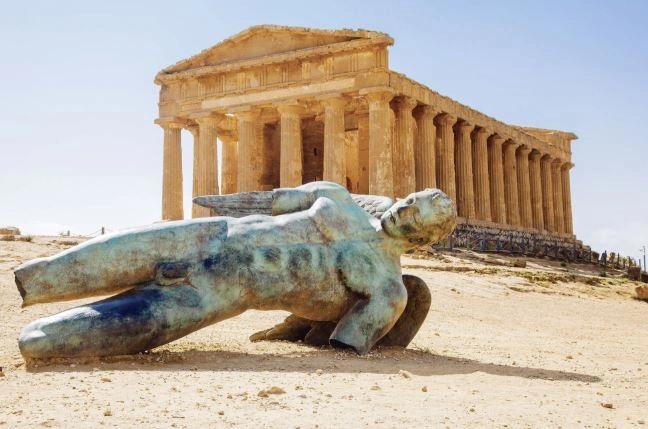
The Archaeological Area of Agrigento, the Valley of the Temples, preserves a row of magnificent Doric temples and is one of the greatest Greek sites anywhere. The Villa Romana del Casale holds the finest Roman mosaics in the world. Syracuse and the Rocky Necropolis of Pantalica combine ancient Greek grandeur with a vast prehistoric burial site. The Late Baroque Towns of the Val di Noto encompass eight golden Baroque towns rebuilt after 1693. Arab-Norman Palermo and the Cathedral Churches of Cefalù and Monreale celebrate the island's unique medieval cultural fusion. The Aeolian Islands are recognised for their global volcanic significance. And Mount Etna, Europe's highest active volcano, completes the list as a natural World Heritage Site.
Sicily also holds two entries on UNESCO's intangible cultural heritage list: the Opera dei Pupi, the traditional Sicilian puppet theatre, and the ancient head-trained vine-growing method of Pantelleria. Visiting even a few of these sites gives a trip real depth, and they are spread right across the island, rewarding those who explore widely. The official Visit Sicily tourism portal is a useful resource for planning visits to each, and the UNESCO World Heritage Centre holds the full official listing and details for every site.
The Best Beaches in Sicily
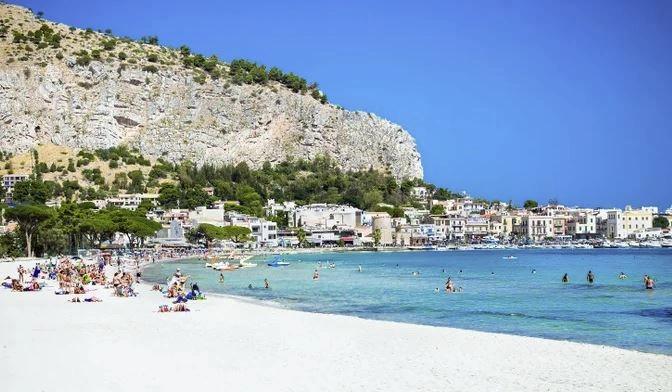
With over a thousand kilometres of coastline, Sicily is a beach destination of the first order, and its beaches are wonderfully varied, from fine white sand to dramatic volcanic black rock.
Read this chapter
In the west, San Vito Lo Capo is the standout, a glorious arc of white sand and turquoise sea that regularly ranks among Italy's best beaches. The nearby Zingaro Nature Reserve offers wild, unspoilt coves reached on foot. Around Mazara del Vallo, the long sandy stretch of Tonnarella and the protected dunes of Capo Feto provide quieter, more local options.
In the south, the Scala dei Turchi near Agrigento is a striking white limestone cliff stepping down to the sea, one of the island's most photographed natural sights. The south coast also offers long sandy beaches around Marina di Ragusa and the Vendicari Nature Reserve, a beautiful protected wetland and coastline near Noto.
In the east, the beaches around Taormina, including the cove of Isola Bella, are scenic if busy, while the Catania coast offers both sandy stretches and dramatic black volcanic rock. And the islands, especially the Egadi and the Pelagie, hold some of the very clearest water and finest beaches of all, with Lampedusa's Rabbit Beach frequently named among the world's best.
A practical note from living here: in summer, many of the best beaches have a mix of free public areas (spiaggia libera) and equipped private lidos where you pay for sunbeds and umbrellas. Arrive early in peak season for the popular spots, and always carry water, as facilities can be limited on the wilder beaches.
Things to Do in Sicily: Beyond the Beaches
Sicily offers far more than sightseeing and sunbathing. For visitors who want to go deeper, the island rewards a wide range of interests and activities.
Read this chapter
For history and culture lovers, the ancient sites alone could fill a fortnight, from the temples of Agrigento, Segesta, and Selinunte to the theatres of Syracuse and Taormina, the mosaics of Piazza Armerina, and the Arab-Norman wonders of Palermo. The Baroque towns of the Val di Noto offer a different kind of architectural feast.
For the outdoors and adventure, climbing or hiking Mount Etna is the headline experience, but the island also offers superb coastal hiking in the Zingaro and Vendicari reserves, mountain walking in the Madonie and Nebrodi ranges, and watersports including diving, snorkelling, kayaking, and kitesurfing, particularly around the Stagnone lagoon near Marsala, which is one of Europe's best kitesurfing spots.
For food and wine enthusiasts, Sicily is a destination in itself. Wine tasting on the slopes of Etna or in the baglios of Marsala, street food tours in Palermo and Catania, cooking classes, and the simple daily pleasure of the island's markets all reward the curious palate. Seasonal food festivals, like the San Vito Lo Capo couscous festival in autumn, are wonderful experiences.
For those drawn to authentic local life, the real joy of Sicily often lies in the simplest things: a morning at a working market, an evening passeggiata (the traditional stroll) through a town square, a long lazy lunch in a family trattoria, or a day spent in a small town that sees few tourists. This is where the island's true character lives, and it is freely available to anyone willing to slow down and look.
Suggested Sicily Itineraries
How long you need in Sicily depends on how much you want to see, but here are some realistic framings based on common trip lengths.
Read this chapter
For one week, focus on a single region rather than racing around. An eastern itinerary might combine Catania, Etna, Taormina, Syracuse, and the Baroque towns of the Val di Noto, an excellent and varied introduction. Alternatively, a western itinerary, less travelled and closer to my heart, could take in Palermo, Cefalù, Segesta, Trapani, Erice, the salt pans, Marsala, San Vito Lo Capo, and Mazara del Vallo.
For ten days to two weeks, you can combine east and west into a fuller circuit, perhaps flying into Catania and out of Palermo (or vice versa) and working your way across the island, taking in Etna, Syracuse, the Baroque south-east, Agrigento's temples in the centre-south, and then the western highlights. This is the classic grand tour of Sicily and gives a genuinely rounded picture of the island.
For those with more time, or for return visitors, adding island-hopping to the Aeolian or Egadi archipelagos, or spending several unhurried days in the rural west, transforms a trip from sightseeing into something deeper.
My honest advice, as someone who lives here, is to resist the temptation to cram everything in. Sicily is not a checklist. The island rewards those who slow down, linger over meals, and let themselves get pleasantly lost in places that were not on the plan. A trip with fewer destinations and more time in each almost always beats a frantic dash around the whole island.
How Much Does a Trip to Sicily Cost?
One of Sicily's great advantages as a destination is that it remains noticeably more affordable than much of mainland Italy and most of Western Europe, particularly outside the few honeypot towns.
Read this chapter
Accommodation ranges widely, from budget guesthouses and agriturismos at modest prices to boutique hotels and luxury villas. Outside Taormina and the peak of August, good-value accommodation is easy to find, and the rural west is especially affordable. Eating out is a genuine pleasure for the wallet as well as the palate: a hearty meal with local wine in a family trattoria can cost a fraction of what you would pay in northern Italy, and street food is wonderfully cheap. Markets make self-catering both easy and delicious.
Costs rise sharply in high summer, particularly July and August, when accommodation prices in coastal areas can double and the popular spots fill up. Travelling in the shoulder seasons of spring and autumn brings far better value, as well as more comfortable weather and fewer crowds. Car hire is reasonable, fuel is comparable to the rest of Italy, and the largely toll-free motorways keep driving costs down. And for those whose curiosity runs deeper than a holiday, even the cost of buying and restoring a home here is modest by northern European standards, as I break down in how much it really costs to renovate a house in Sicily.
To put some real numbers on this rather than leaving it vague, a budget traveller can expect to spend somewhere between sixty and ninety five euros a day excluding accommodation, with hostel beds running fifteen to thirty euros a night and basic bed and breakfast rooms thirty five to sixty five euros. A comfortable mid-range trip, three star hotels, proper trattoria meals, the odd paid attraction, typically runs to somewhere between one hundred and twenty and one hundred and eighty euros a day, with mid-range hotel rooms costing seventy to one hundred and thirty euros a night.
Luxury travel, boutique hotels, private guides, and fine dining, moves into the two hundred and fifty to four hundred euro a day range and upward. Put together across a full week, that works out at roughly seven hundred to just over a thousand euros per person for a budget trip, twelve to nineteen hundred euros for mid-range comfort, and two and a half to three and a half thousand euros or more for genuine luxury, all excluding international flights.
Food costs scale in exactly the same way. A street food snack, an arancina or a slice of sfincione, costs one and a half to four euros, a full meal from a market stall or rosticceria runs five to ten euros, and a fixed price trattoria lunch including wine typically comes to twelve to eighteen euros. Transport is similarly modest, local buses cost one and a half to two and a half euros a ride, intercity buses eight to fifteen euros, and trains ten to twenty five euros depending on distance, while a hire car runs thirty five to sixty euros a day before fuel. Entry to the major sites is reasonable too, expect ten to fifteen euros for the Valley of the Temples and fifteen to twenty euros for Villa Romana del Casale. As with almost everything else on this island, timing matters more than location, travelling in the shoulder seasons rather than July and August routinely cuts accommodation costs by thirty to forty per cent without sacrificing good weather.
Use the official ticket pages for archaeological sites and compare accommodation for your actual dates. Admission categories, combined tickets and special opening arrangements can change. Shoulder-season travel may offer quieter visits, but neither a fixed ticket price nor a fixed percentage saving is guaranteed.
Worth knowing too, if a holiday rental catches your eye and gets you wondering about the other side of that transaction, I have covered the realities of renting out a Sicilian property yourself, holiday lets, Airbnb, and what the numbers actually look like, honestly in can you make money from a Sicilian property.
If you are curious about how the day-to-day cost of living compares more broadly, and particularly how it stacks up against the UK, I have written a detailed comparison in UK vs Sicily: 2026 cost of living, which goes well beyond holiday costs into the real economics of life here.
Is Sicily Safe for Travellers?
Safety is one of the most common concerns people raise about Sicily, often shaped by old stereotypes about organised crime. The honest reality, as someone who lives here and travels the island constantly, is that Sicily is a very safe place to visit.
The Mafia is a real part of Sicily’s history and still present in certain contexts, but it does not target travellers and plays no part in a normal visit. The crime you are most likely to meet is petty: pickpocketing and the occasional bag-snatch in busy places. Look after your belongings in crowds and plan your transport and accommodation as you would anywhere.
Rural Sicily, small towns, and the west, where I live, are genuinely peaceful, with strong community ties and very low crime. Violent crime against strangers, the kind that dominates headlines in some countries, is rare in everyday Sicilian life. Walking around in the evening, even in smaller towns, is normal and comfortable, and you will routinely see families and children out late, a sign of how safe people feel.
I have written a full, honest account of this based on real experience living and renovating here, including how Sicily genuinely compares to the UK, in is Sicily safe? my honest experience. The short version: come with normal sensible precautions, and you have very little to worry about.
Practical Tips for Visiting Sicily
A few practical pointers, gathered from living here, that will make any trip smoother.
Read this chapter
On language, Italian is the language of Sicily, and while English is spoken in tourist areas and hotels, it is far less common in rural areas and small towns. Learning even a few basic Italian phrases makes a real difference and is genuinely appreciated by locals. A translation app is worth having for the countryside.
On money, Italy uses the euro, and while cards are widely accepted in cities and tourist areas, it is wise to carry some cash, particularly in rural areas, small shops, markets, and family-run establishments, where cash is sometimes still preferred.
On opening hours, Sicily runs on a more traditional rhythm than northern Europe. Many shops and businesses close for several hours in the early afternoon, the riposo, and reopen in the evening. Sundays are quiet, and life generally moves at a slower pace. Plan around this rather than fighting it, and embrace the long lunch and late dinner that come with it.
On the heat, summer in Sicily is intense, especially inland and in the west. Plan sightseeing for the morning and late afternoon, rest during the hottest hours, carry water, and use sun protection. The local habit of the afternoon break exists for a reason.
On driving, rural and intercity driving is straightforward and rewarding, but city driving is chaotic and parking difficult; consider parking outside city centres and walking in. Many historic centres have restricted traffic zones (ZTL) that carry fines for unauthorised vehicles, so check before driving into old towns.
On connectivity, mobile coverage and internet are generally good in towns and cities but can be patchy in remote rural areas, worth bearing in mind if you are staying somewhere isolated.
Thinking of More Than a Visit? Living in Sicily
For many people, a trip to Sicily plants a seed. The combination of climate, affordability, food, pace of life, and sheer beauty leads a surprising number of visitors to wonder whether they could live here, at least part of the time. I know, because that is exactly what happened to me.
Read this chapter
The Operation Sicily project exists because I did not just want to holiday in Sicily, I wanted to build a life here. I bought an abandoned villa in the Trapani countryside for a fraction of what property costs in the UK, and I am restoring it into an off-grid family home, documenting every step. If a trip to Sicily leaves you daydreaming about something more permanent, the rest of my site explores that reality in honest detail, the good and the difficult alike.
Property in Sicily remains remarkably affordable, with everything from one-euro houses to characterful rural villas available far below northern European prices. Much of rural Sicily is wholly or partly off-grid, and I have written about the realities of that, from solar power to private water systems, in off-grid water vs mains water in Italy. If you are curious, the ultimate guide to buying property in Sicily covers the entire process, and moving to Sicily in 2026 gives the honest pros, cons, and realities of actually relocating. To follow the renovation itself, win by win and disaster by disaster, you can watch the journey on YouTube and across the project.
Sicily is a wonderful place to visit. For some of us, it becomes something more.
Sicily for Different Kinds of Traveller
One of the reasons Sicily works for such a wide range of visitors is that it genuinely offers something different depending on what you are looking for. Here is how the island serves a few common types of traveller.
Sicily for Couples and Romantic Trips
Sicily is wonderfully romantic. The golden Baroque streets of Noto and Ragusa at sunset, a private dinner on a terrace overlooking the sea, the atmospheric old town of Ortigia in Syracuse, the misty mountain charm of Erice, and the sheer sensory pleasure of the food and wine all make it a superb destination for couples. The shoulder seasons of spring and autumn are particularly romantic, with warm evenings, fewer crowds, and beautiful light. A quiet agriturismo in the countryside, a wine tasting on the slopes of Etna, or a sunset over the Trapani salt pans are the kind of experiences that make a trip memorable.
Sicily for Families
Sicilian culture is deeply family-oriented, and children are genuinely welcomed everywhere, including in restaurants late into the evening. Beaches, accessible ancient sites that fire young imaginations, gelato on every corner, and a safe, relaxed atmosphere make Sicily an excellent family destination. The pace suits families too, with no pressure to rush and plenty of space for children to be children. Pick a base with a beach nearby, build in downtime around the midday heat in summer, and let the island's natural friendliness do the rest.
Sicily for History and Culture Lovers
For those who travel for history, few places on earth rival Sicily's density and quality of ancient sites. You can stand among Greek temples older than the Parthenon, walk through Roman villas with the finest mosaics in the world, marvel at Arab-Norman cathedrals glittering with gold, and lose yourself in Baroque towns of honey-coloured stone. A culturally focused trip could be built entirely around the island's seven UNESCO World Heritage Sites, and still only scratch the surface of what there is to see.
Sicily for Food and Wine Travellers
Sicily is a bucket-list destination for culinary travellers. From street food tours in Palermo to cooking classes, market visits, wine tastings on Etna and in Marsala, and the simple daily joy of eating extraordinarily well for very little money, the island is a feast. Each region has its own specialities, and following the food, the couscous of the west, the chocolate of Modica, the seafood of the coasts, the sweets everywhere, is one of the best ways to structure a trip.
Sicily for Solo Travellers
Sicily is a rewarding and safe destination for solo travellers, including solo women, with the usual sensible precautions. The locals are warm and welcoming, the towns are walkable and sociable, and there is a growing community of independent travellers exploring the island. Basing yourself in a lively town like Catania, Syracuse, or Palermo offers easy social opportunities and good transport links, while the slower rhythm of Sicilian life makes solo exploration genuinely pleasant.
Sicily for Outdoor and Adventure Travellers
For the active, Sicily offers far more than beaches. Hiking on Mount Etna and through the Zingaro, Vendicari, and Madonie reserves, kitesurfing in the Stagnone lagoon, diving and snorkelling around the islands, cycling on Favignana, and climbing to remote hill towns all give the island a genuine adventure dimension. The varied landscape, from volcano to coast to mountain to wetland, means there is always somewhere new to explore on foot, by bike, or in the water.
A Closer Look at Sicily's Key Cities and Towns
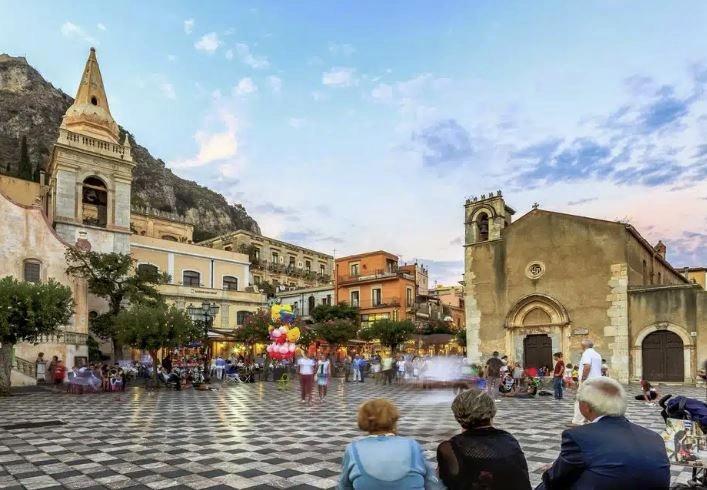
To help with planning, here is a quick reference to the main cities and towns you are likely to consider, and what each is known for.
Read this chapter
Palermo is the grand, chaotic capital, famous for its Arab-Norman architecture, street markets, incredible street food, and layered history. It is a city that rewards those who embrace its intensity.
Catania is the energetic second city, built from black volcanic stone, with a superb fish market, lively nightlife, excellent food, and easy access to Mount Etna. It makes a great base for the east.
Taormina is the glamorous clifftop resort, beautiful and famous, with its spectacular Greek theatre and views of Etna, though it is the busiest and most expensive spot on the island.
Syracuse, and especially the island of Ortigia, blends magnificent ancient Greek heritage with one of the most atmospheric and liveable historic centres in Sicily.
Noto, Modica, Ragusa, and Scicli are the golden Baroque towns of the south-east, each a feast of ornate honey-coloured architecture, with Modica adding its famous chocolate to the appeal.
Cefalù is the picture-perfect medieval seaside town on the north coast, with a magnificent Norman cathedral, a sandy beach, and a tangle of charming streets.
Agrigento is the gateway to the Valley of the Temples, one of the greatest Greek archaeological sites in the world.
Trapani is the elegant western port city, gateway to Erice, the salt pans, the Egadi Islands, and the wider western region.
Marsala is the graceful western wine town, famous for its fortified wine and its place in the story of Italian unification.
Erice is the magical medieval mountain town above Trapani, often wrapped in cloud, with cobbled streets and far-reaching views.
Mazara del Vallo is the fascinating multicultural fishing port in the deep west, home to the Dancing Satyr, a living Arab Kasbah, and the most authentic everyday Sicilian atmosphere I have found anywhere, and the town I know best, since it is where I live and renovate.
San Vito Lo Capo is the celebrated western beach resort, with one of Italy's finest white-sand beaches and a famous autumn couscous festival.
This is far from a complete list, Sicily has hundreds of towns and villages worth discovering, but it covers the destinations most visitors build their trips around, and gives a sense of how varied the island truly is.
Frequently Asked Questions About Visiting Sicily
What is the best time of year to visit Sicily?
Read this chapter
May and September are the best months for most visitors, offering warm weather, swimmable seas, manageable crowds, and reasonable prices. Spring (March to May) brings green landscapes, wildflowers, and comfortable temperatures. September gives you the warmest sea of the year with far fewer people than August. July and August are hot, busy, and expensive, while winter is mild, quiet, and authentic but not beach weather. For a full month-by-month breakdown, see my dedicated guide to the best time to visit Sicily.
How many days do you need in Sicily?
A week lets you explore one region well, either the east (Etna, Taormina, Syracuse, the Baroque towns) or the west (Palermo, Trapani, Marsala, Mazara del Vallo, San Vito Lo Capo). Ten days to two weeks allows a fuller circuit combining both halves of the island. Sicily is larger than most people expect, so resist trying to see everything in a short trip; depth beats speed here.
Do I need to hire a car in Sicily?
For most visitors, yes. A car gives you the freedom to reach the best beaches, ancient sites, hill towns, and rural areas that public transport serves poorly. The motorways are good and largely toll-free. You can manage without a car if you base yourself in the cities and stick to the main train and bus routes, but you will see far more of the real Sicily with your own wheels. Avoid driving inside the chaotic city centres of Palermo and Catania.
Which airport should I fly into for Sicily?
Fly into Catania for eastern Sicily (Etna, Taormina, Syracuse, the Baroque towns), Palermo for the north and centre (Palermo, Cefalù, and much of the west), and Trapani-Birgi for the deep west (Trapani, Marsala, Mazara del Vallo, the Egadi Islands). Choosing the right airport for your region saves significant driving time.
Is Sicily safe for tourists?
Yes. Sicily is a very safe destination for travellers. The Mafia has no impact on tourists, and the main concern is petty pickpocketing in the busiest parts of Palermo and Catania, the same as in any major European city. Rural areas and the west are exceptionally peaceful with very low crime. Normal sensible precautions are all you need.
Is Sicily expensive to visit?
Sicily is more affordable than mainland Italy and much of Western Europe, especially outside the honeypot town of Taormina and the August peak. Food, in particular, is excellent value, and accommodation in the rural west is very reasonable. Costs rise sharply in high summer, so the shoulder seasons offer the best value.
What is the food like in Sicily?
Sicilian cuisine is considered the finest regional cooking in Italy, distinct from the mainland and shaped by Greek, Arab, and Norman influences. Highlights include fresh seafood, pasta con le sarde, arancini and other street food, couscous in the west, and famous sweets like cannoli, cassata, and granita. The wine, especially from Etna and Marsala, is increasingly celebrated.
What are the must-see places in Sicily?
The essentials include Mount Etna, Taormina, Syracuse and Ortigia, the Valley of the Temples at Agrigento, the Baroque towns of the Val di Noto (Noto, Modica, Ragusa), Palermo and nearby Monreale, and Cefalù. In the west, Erice, the Trapani salt pans, Segesta, Selinunte, San Vito Lo Capo, and Mazara del Vallo are all outstanding and far less crowded.
Is Sicily good for a beach holiday?
Excellent. Sicily has over a thousand kilometres of varied coastline, from the white sands of San Vito Lo Capo to the volcanic black rock of the east and the crystal-clear waters of the surrounding islands. The best months for beach weather are June through September, with September offering the warmest sea.
Can you visit Mount Etna?
Yes, and it is one of the highlights of any Sicily trip. You can drive to the Rifugio Sapienza and take a cable car and 4x4 trucks higher up, hike the lower craters with a guide, or tour the excellent wineries on the volcano's fertile slopes. Always check current volcanic activity and go with a licensed guide for the higher areas.
What is the best area of Sicily to stay in?
It depends on your interests. The east (around Catania or Taormina) suits first-time visitors wanting Etna, Greek sites, and famous towns. The south-east is ideal for Baroque architecture and a slower pace. Palermo suits city lovers. And the west, around Trapani or Mazara del Vallo, is best for authenticity, affordability, fewer crowds, and access to salt pans, islands, and superb beaches.
Is western Sicily worth visiting?
Yes, and in my experience it is the most underrated part of the island. The west offers Trapani, the hilltop town of Erice, the salt pans, Marsala's wine, the multicultural town of Mazara del Vallo, ancient sites at Segesta and Selinunte, the beaches of San Vito Lo Capo, and the Egadi Islands, all with far fewer crowds and lower prices than the east. As someone who lives here, I think most visitors miss the best of Sicily by never leaving the eastern circuit.
What is Mazara del Vallo and is it worth visiting?
Mazara del Vallo is a fascinating port town in western Sicily with one of the largest fishing fleets in Italy, a living Arab Kasbah quarter shaped by a Tunisian community, and the famous Dancing Satyr bronze statue. It is thriving, authentic, and far less touristy than the east. I have written a complete dedicated guide to it, since it is the town where I live and renovate.
Do they speak English in Sicily?
English is spoken in hotels, tourist areas, and by younger people, but far less so in rural areas and small towns. Learning a few basic Italian phrases makes a real difference and is genuinely appreciated. A translation app is useful for the countryside.
Is Sicily good for families?
Sicily can be a rewarding family destination, with beaches, food, archaeological sites and welcoming communities. Choose accommodation, transport and activities around your children’s ages and needs. Check bathing conditions, supervise children near water and allow for summer heat and uneven historic streets.
How do you get between the Sicilian islands?
Frequent ferries and faster hydrofoils connect Sicily to its surrounding archipelagos. The Aeolian Islands are reached from Milazzo on the north coast, the Egadi Islands from Trapani or Marsala in the west, and the Pelagie Islands from Porto Empedocle in the south. I have written a full island-hopping guide covering routes, schedules, and what each island offers.
What should I pack for Sicily?
For summer, pack lightweight clothing, strong sun protection, a hat, comfortable walking shoes, and swimwear. For spring and autumn, add a light jacket for cooler evenings. For winter, pack layers and a waterproof, as it can be rainy and breezy though rarely truly cold. Modest dress is needed to enter churches. If you plan to hike Etna or the reserves, bring proper footwear.
Is Sicily part of Italy?
Yes. Sicily is an autonomous region of Italy, the largest island in the Mediterranean, with its own strong cultural identity, dialect, and history, but it is fully part of Italy and uses the euro. Its autonomy gives it some self-governing powers, but visitors travel there exactly as they would to anywhere else in Italy.
Can you see Sicily without a car using public transport?
Yes, with planning. Trains run along the coasts and connect major centres, and buses often link towns more efficiently than trains. This works well if you base yourself in cities like Palermo, Catania, or Syracuse and focus on the main destinations. However, the rural areas, best beaches, and smaller towns are much harder to reach without a car, so you will see a more limited slice of the island.
What is the weather like in Sicily?
Sicily has a classic Mediterranean climate: long, hot, dry summers and mild, relatively wet winters. Summer temperatures regularly hit 35 to 40 degrees, especially inland and in the west, while winter coastal temperatures rarely drop below 8 degrees. The island enjoys some 300 days of sunshine a year, with rainfall concentrated between November and February.
Is it expensive to buy property in Sicily?
No, Sicily is one of the most affordable property markets in Western Europe, with options ranging from one-euro renovation houses to characterful rural villas at a fraction of UK or northern European prices. The west is especially affordable. If a visit leaves you considering it, I have written extensively about buying, renovating, and living here, drawn from doing it myself.
Why did you choose to live in western Sicily?
I chose the countryside near Mazara del Vallo because it offers the best of both worlds: genuine rural peace, wildlife, space, and old-school Sicilian community, while being just minutes from a thriving authentic town, beaches, and the sea. The affordability of property, the depth of the culture, the climate, and the slower, more human pace of life all drew me here. I document the whole journey through the Operation Sicily project.
Sicilian Specialities You Have to Try
To make the most of the island's food, here is a quick checklist of Sicilian specialities worth seeking out as you travel, each tied to the places that do them best.
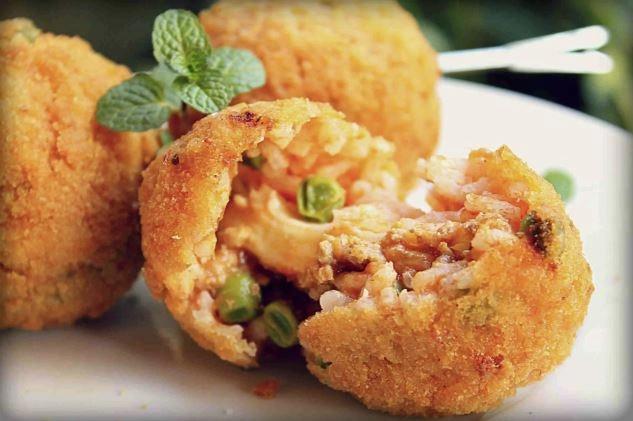
Arancini, the golden stuffed and fried rice balls, are found everywhere but are a particular obsession in the east around Catania. Cannoli, crisp shells filled with sweet ricotta, are the island's iconic dessert and best eaten freshly filled. Granita with a warm brioche is the perfect Sicilian summer breakfast, especially in the heat of the south and east. Pasta alla Norma, with aubergine, tomato, basil, and salted ricotta, is Catania's signature dish, named after the opera. Pasta con le sarde, with sardines and wild fennel, captures the island's Arab-influenced sweet-savoury soul.
In the west, around Trapani and Mazara del Vallo, seek out fish couscous, the red prawns of Mazara, busiate pasta with pesto alla Trapanese, and the freshest possible seafood straight off the boats. Modica's grainy chocolate is unmissable in the south-east, while Palermo's street food, from panelle to sfincione, is a culinary adventure in itself. Wherever you are, finish with an espresso and perhaps a glass of the local wine, and you will eat as well as anywhere in Italy.
Travelling Responsibly in Sicily
As Sicily grows in popularity, travelling thoughtfully matters more than ever, both for the island and for the quality of your own experience. A few simple principles go a long way.
Spread out beyond the honeypots. The east and a handful of famous towns absorb the vast majority of visitors, while equally beautiful areas, particularly the west where I live, remain quiet and welcoming. Exploring more widely eases pressure on the busy spots, supports local economies that need it most, and rewards you with a more authentic experience.
Travel in the shoulder seasons where you can. Spring and autumn are kinder to the island's infrastructure, kinder to your wallet, and frankly more pleasant than the August crush. Support local businesses, family trattorias, independent shops, small producers, rather than international chains, and you keep your money in the communities that make Sicily what it is. Respect the pace and customs of local life, learn a little Italian, and approach the island with curiosity and warmth, and you will find Sicily returns it many times over.
Sicily has given so much to so many travellers over the centuries. Treating it with care ensures it remains the extraordinary place it is for those who come after.
Start Planning Your Sicily Adventure
Sicily is one of the most rewarding destinations in the Mediterranean, an island where ancient history, dramatic landscapes, world-class food, and genuine warmth combine like nowhere else. Whether you come for the Greek temples, the volcano, the beaches, the food, or simply the slower, sunlit rhythm of island life, Sicily delivers something that stays with you long after you leave.
This guide is written from the perspective of someone who fell for this island so completely that I made it home. If you want to go deeper on any part of it, the Operation Sicily blog covers the practical realities of visiting, buying, renovating, and living in Sicily in honest, first-hand detail, and my dedicated guide to Mazara del Vallo is the best place to understand the authentic western corner of the island where I live.
To follow the full story of restoring an abandoned Sicilian villa into an off-grid family home, watch the journey, explore the blog for more guides, or get in touch with any questions about visiting or relocating to this extraordinary island.
Buon viaggio, and enjoy Sicily.