
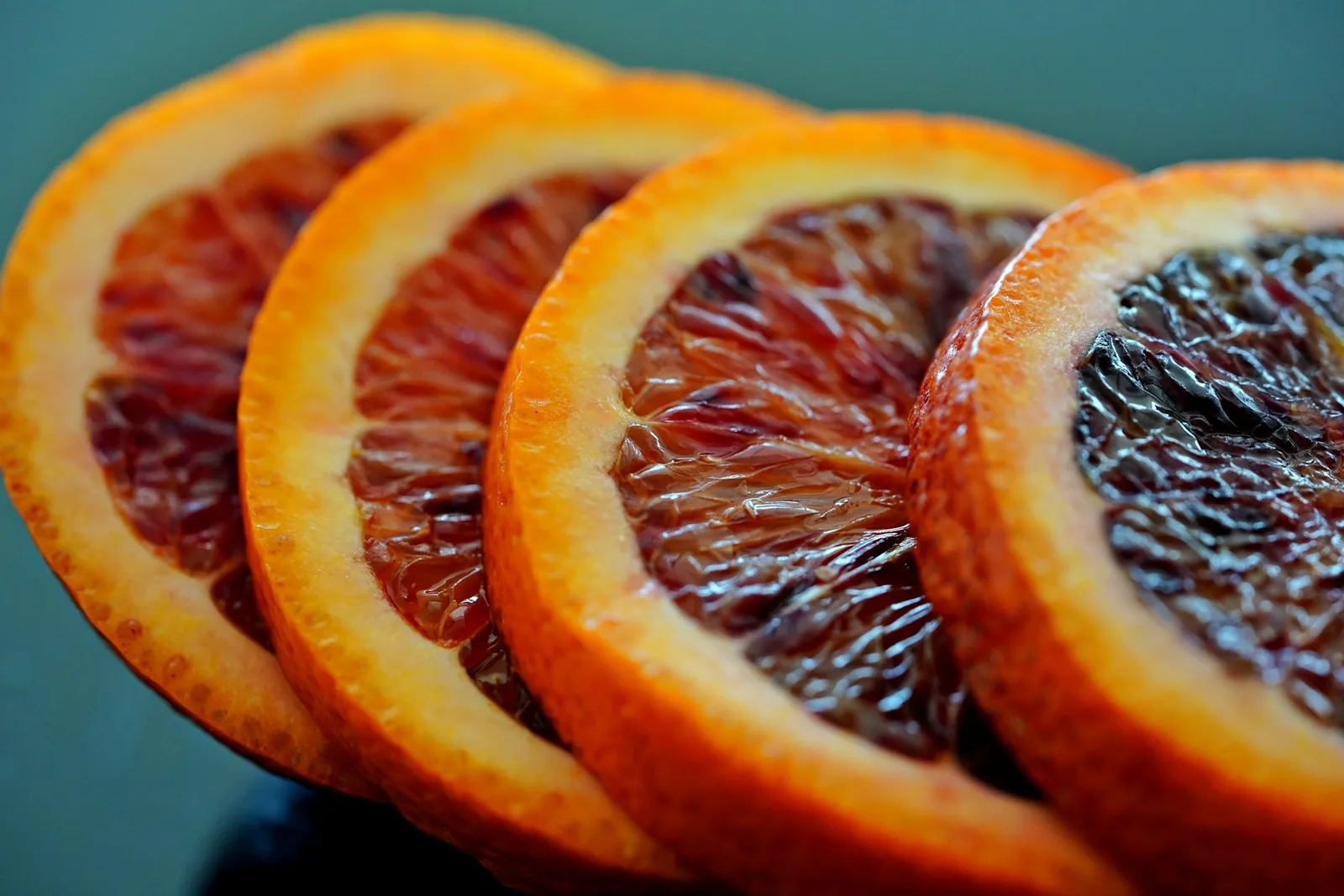
Why Sicily is citrus country
Oranges and lemons are not native to Sicily. Britannica traces the sweet orange to tropical Asia, from where it spread through India and East Africa to the eastern Mediterranean, carried by Roman conquest, Arab trade routes and the expansion of Islam. Italian sources credit the Arabs, who ruled Sicily from the 9th to the 11th century, with spreading the use of citrus on the island, and my short history of Sicily covers that period.
What made Sicily a citrus island was the combination of sun, water and work. The great example was the Conca d'Oro, the "golden shell" of orchards around Palermo. Slow Food describes it at its largest as some 15,000 hectares (about 37,000 acres) of citrus groves, terraced up to 250 m (about 820 feet) and watered by canals and wells, a famous stop on the Grand Tour. Nearly 80% of its farmland has been lost in the last 50 years, but you still see orange and lemon trees in gardens and courtyards all over the island, including mine.
Citrus is also part of Sicily's American story. The Qualigeo database of Italian protected products notes that the lemon groves around Siracusa were cultivated intensively from the 17th century, starting with the Jesuits, and that the area later exported calcium citrate and citric acid, mainly to the United States and England.
Sicilian blood oranges: Tarocco, Moro and Sanguinello
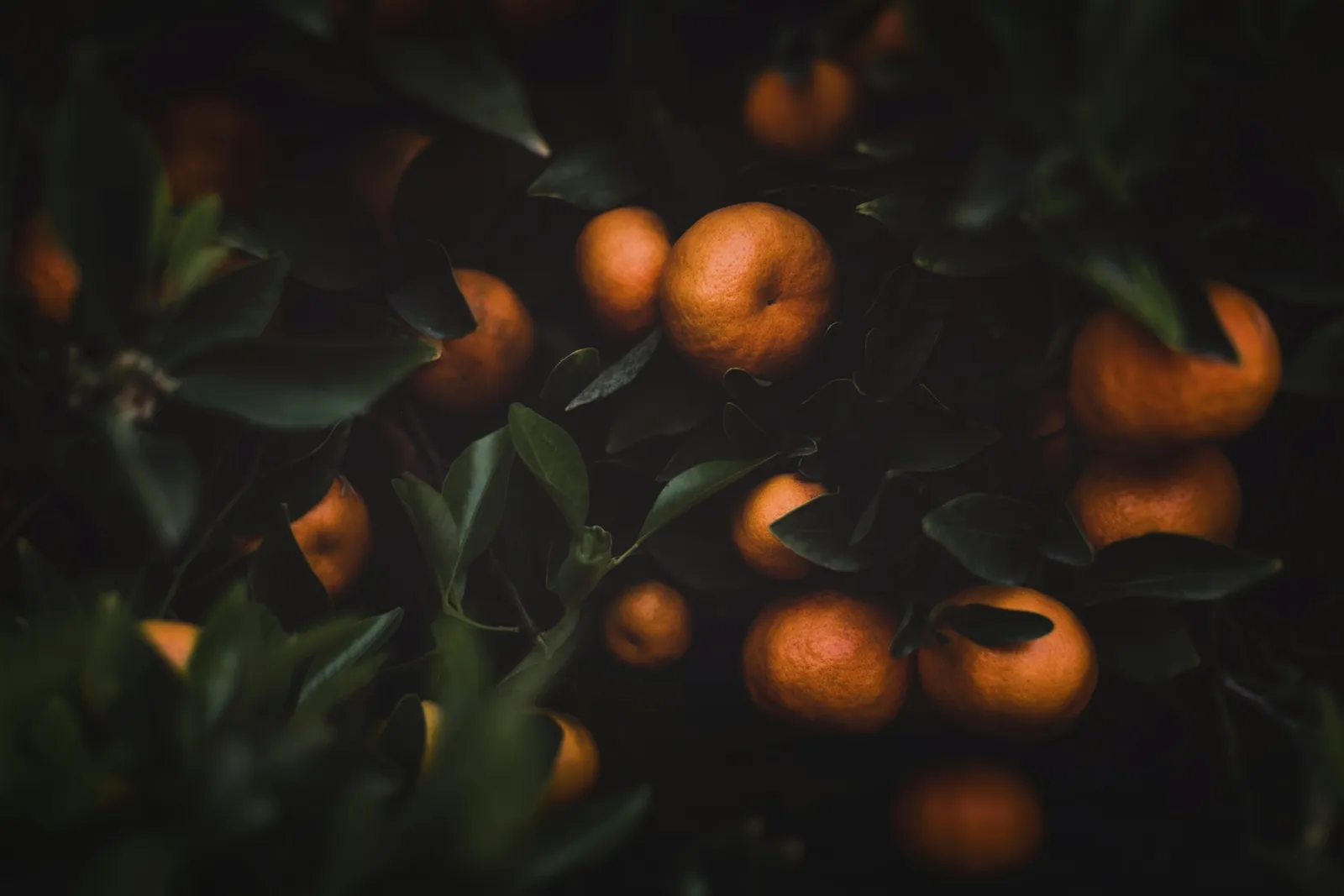
The Arancia Rossa di Sicilia has been protected under EU rules as a Protected Geographical Indication (IGP) since the 1990s. The protected area covers 32 comuni in the provinces of Catania, Enna and Siracusa, in the plain and hills around Etna, among them Paternò, Adrano, Scordia, Lentini and Francofonte.
| Variety | Flesh | Season |
|---|---|---|
| Tarocco | Orange with red streaks | December to May |
| Moro | Deep wine red | December to March |
| Sanguinello | Orange with red streaks | February to April |
Why they are red
The colour comes from anthocyanins, the same family of pigments that colours red grapes. The EU document describing the IGP explains why the Etna area matters: strong sun by day, cold nights brought by air currents off the volcano, and low rainfall. The big swing between day and night temperatures concentrates both the sugars and the red pigment, and the document notes that the same varieties grown elsewhere do not colour in the same way.
The rules also say how the fruit is handled: it is picked by hand with curved clippers, and artificial degreening is not allowed. Qualigeo adds a nice piece of history: the 1646 citrus book Hesperides by Giovanni Battista Ferrari suggests that the orange may have reached Italy with a Genoese missionary from the Philippines. Nobody knows for certain.
Sicilian lemons: Femminello, Siracusa, Etna and Interdonato
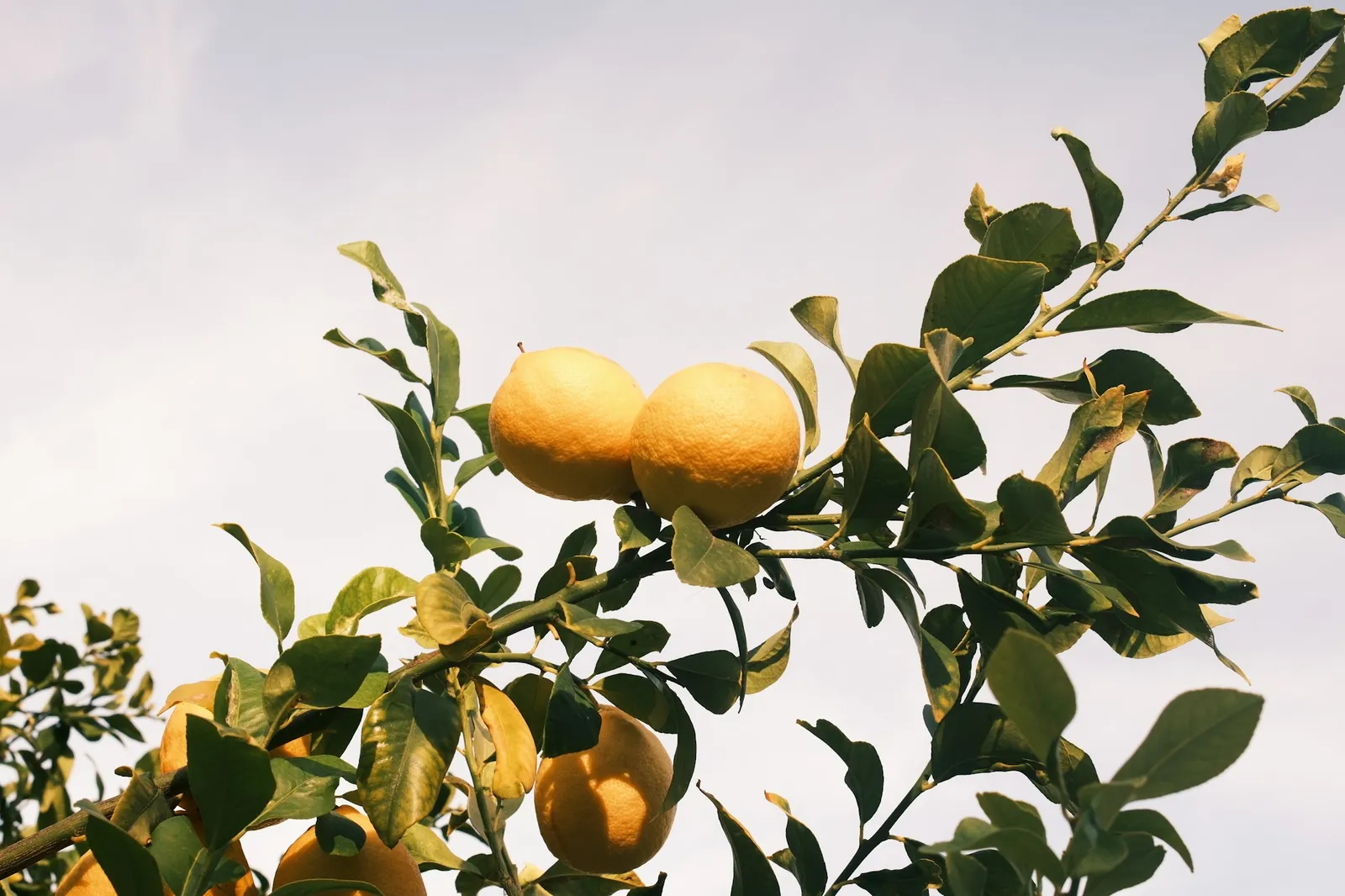
Sicily has three protected lemons, and between them there is a Sicilian lemon in season almost all year. The main variety, the Femminello, gives several crops a year, and each crop has its own name.
Limone di Siracusa IGP
Grown in 10 comuni of the province of Siracusa, within 10 km (about 6 miles) of the coast and below 210 m (about 690 feet), including Siracusa itself, Avola and Noto. The variety is the Femminello and its clones. The crops are the primofiore (from 1 October), the bianchetto or maiolino (from 1 April) and the verdello (from 1 June), a summer lemon that stays green on the outside.
Limone dell'Etna IGP
Grown in 16 comuni along the Ionian coast below Etna, in the province of Catania. Two varieties are allowed, the Femminello and the Monachello. Femminello primofiore is picked from 15 September, Monachello primofiore from 15 October, bianchetto from 1 April and verdello from 15 May. Qualigeo notes that the Catania coast drinks its lemons in seltz, limone e sale, soda water with lemon juice and a pinch of salt, and that the juice goes into granita.
Limone Interdonato Messina IGP
The odd one out. The Interdonato is a natural hybrid of a citron and a lemon, created between 1875 and 1880 by Colonel Giovanni Interdonato, a veteran of Garibaldi's campaigns, who made about 200 grafts crossing a citron with a local lemon. It grows on the Ionian coast from Messina to Giardini Naxos, is picked from 1 September to 15 April, and has so little citric acid that its flesh tastes notably sweet and delicate. Qualigeo lists the local limone zuccarato among the ways it is used in the kitchen. It is eaten sliced, peel and all, often as a salad.
Other Sicilian oranges and mandarins
Blood oranges get the attention, but Sicily grows plenty of blond oranges and mandarins too.
- Arancia di Ribera DOP: blond navel oranges (Brasiliano, Washington Navel and Navelina) from the river valleys of the Verdura, Magazzolo, Platani and Carboj, in 13 comuni of the province of Agrigento and one in the province of Palermo. Navelina is picked from early November to the end of February, the others from early December to the end of May. The town of Ribera has held an orange fair since 1966.
- Mandarino tardivo di Ciaculli: a late mandarin that appeared in the 1940s as a natural mutation of the Avana mandarin, in the Ciaculli area on the edge of Palermo. It is picked from January to March, and about 65 small growers keep it going as a Slow Food presidium, in what is left of the Conca d'Oro.
- Traditional local citrus: the Ministry of Agriculture's list of traditional Sicilian products includes the Limone della Conca d'Oro, the dry-farmed lemon of Pettineo, the blond orange of Scillato, the clementines of Monforte San Giorgio and the Ovaletto orange of Calatafimi.
When are Sicilian blood oranges and lemons in season?
The short version: oranges are a winter and spring fruit in Sicily, and lemons are all year. If you visit between December and April you will see the trees heavy with fruit, and market stalls piled high; my piece on Sicily in winter describes it.
| Fruit | Season in Sicily |
|---|---|
| Tarocco blood orange | December to May |
| Moro blood orange | December to March |
| Sanguinello blood orange | February to April |
| Navelina (Ribera) | Early November to end of February |
| Brasiliano and Washington Navel (Ribera) | Early December to end of May |
| Ciaculli late mandarin | January to March |
| Femminello lemon, primofiore | From mid-September (Etna) or 1 October (Siracusa) |
| Femminello lemon, bianchetto | From 1 April |
| Femminello lemon, verdello | From mid-May (Etna) or 1 June (Siracusa) |
| Interdonato lemon | 1 September to 15 April |
For what else is happening in each month, see my Sicily in January, February and March guides, or the month-by-month planner below.
How Sicilians use lemons and blood oranges
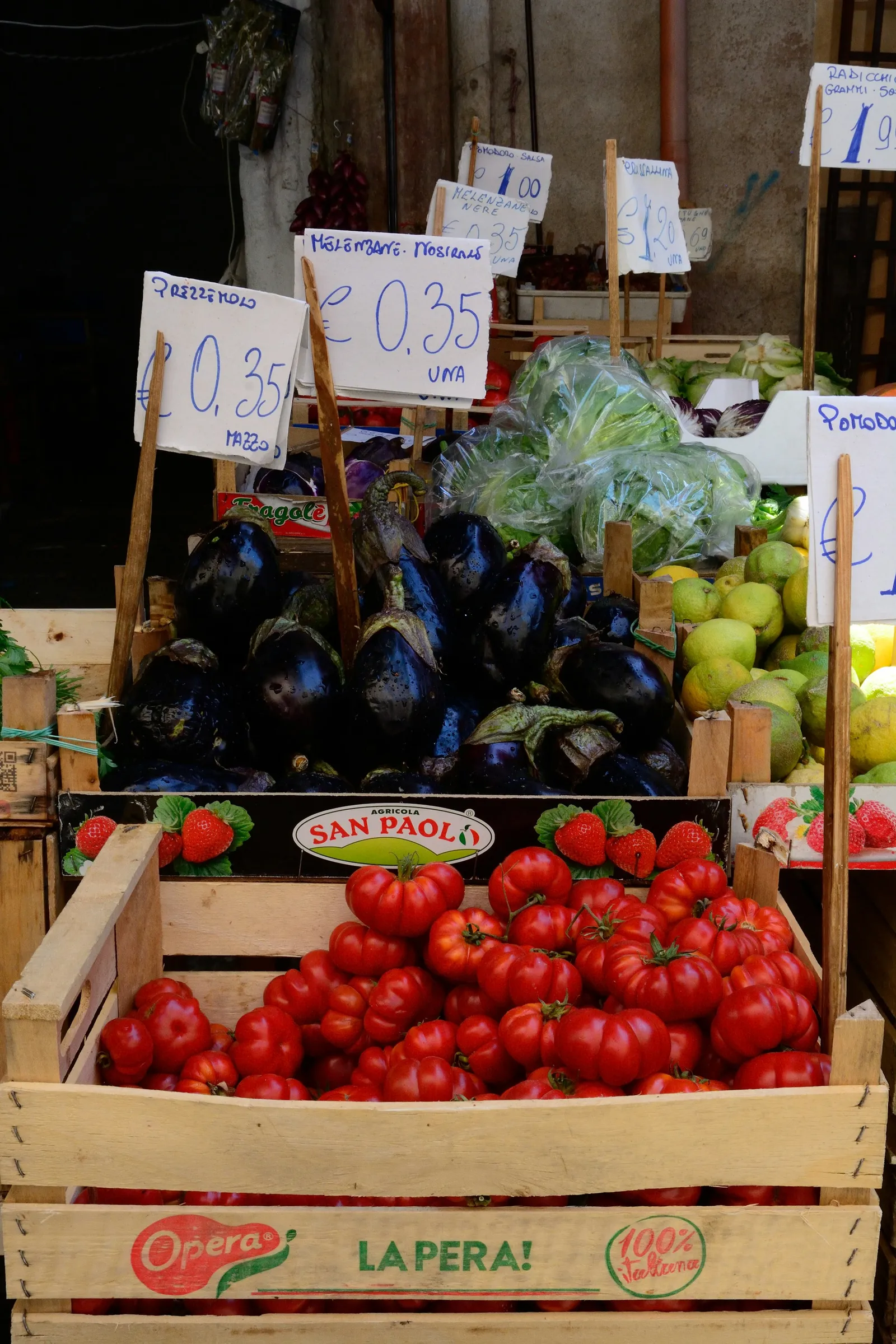
Qualigeo lists the uses of Sicilian blood oranges as eating in segments, juice, peeled "al vivo" (cut down to the flesh with a knife), marmalade, salads, sauces, liqueurs and candied peel. In practice, these are the ones you meet most:
Sicilian orange salad
GialloZafferano calls the insalata di arance a typical Sicilian winter dish: oranges peeled al vivo and sliced, with thin red onion, black olives and basil, dressed with oil, salt and pepper. It sounds odd and tastes wonderful, especially with blood oranges.
Sicilian fennel and orange salad
The other classic adds raw fennel. GialloZafferano's version uses sliced fennel and orange with raisins soaked in orange juice and pine nuts, and names the Sicilian version, with olives and red onion, as the best known. Slice the fennel as thinly as you can, and use the fronds too.
Lemons in the kitchen
- Granita di limone: lemon granita is on the Ministry's list of traditional Sicilian products. My guide to Sicilian desserts covers granita and candied citrus.
- Salmoriglio: lemon, oil, oregano, garlic and parsley, spooned over grilled fish and meat. It is in my guide to classic Sicilian recipes, together with meatballs grilled in lemon leaves.
- Seltz, limone e sale: the Catania street drink, the closest thing Sicily has to a lemon soda.
- Marmalade and liqueur: orange marmalade and mandarin liqueur are both on the traditional products list.
The little oranges
Sicily's best-loved snack is named after this fruit: arancina means "little orange", for the shape and golden colour of the fried rice ball. My guide to arancini tells the story.
Where to see the citrus groves
For blood orange country, head for the plain of Catania and the towns south and west of Etna, such as Paternò, Adrano, Scordia, Lentini and Francofonte, between December and April. For lemons, drive the Ionian coast below Etna or the coast around Siracusa, Avola and Noto. My guide to Etna, Taormina, Catania and Siracusa covers that side of the island, and the Catania town page has the practical details.
In the west, Ribera's navel oranges grow along the rivers of the Agrigento coast, and around Palermo, Ciaculli keeps the last of the Conca d'Oro (my guide to Palermo, Cefalù and Monreale covers the city). Markets everywhere sell the fruit in season, and if you are coming without a car, my Sicily without a car guide explains how to get around.
Closer to home, I have citrus trees of my own at the villa near Mazara del Vallo. My post on growing my own food in Sicily covers what has thrived, and in one episode of the renovation series you can see me watering the citrus trees by hand through a drought.
Frequently asked questions
What is a Sicilian blood orange?
A red-fleshed orange grown around Mount Etna in the provinces of Catania, Enna and Siracusa. Three varieties are protected as Arancia Rossa di Sicilia IGP: Tarocco, Moro and Sanguinello. Their colour comes from anthocyanin pigments, which develop with the hot days and cold nights of the Etna area.
When are Sicilian blood oranges in season?
From December to May. Moro is picked from December to March, Tarocco from December to May and Sanguinello from February to April.
Why are Sicilian blood oranges red?
The red comes from anthocyanins. The EU description of the IGP explains that strong sun by day, cold nights from air currents off Etna and low rainfall concentrate the sugars and the red pigment, and that the same varieties grown elsewhere do not colour in the same way.
What is the difference between Tarocco and Moro blood oranges?
The Moro has deep wine-red flesh and a shorter season, December to March. The Tarocco has orange flesh streaked with red and is in season from December to May.
What is a Sicilian lemon?
Most Sicilian lemons are the Femminello variety, protected as the Limone di Siracusa IGP and, with the Monachello, as the Limone dell'Etna IGP. The Femminello gives several crops a year: an autumn primofiore, a spring bianchetto and a summer verdello.
What is an Interdonato lemon?
A natural hybrid of a citron and a lemon, created in the late 1870s by Colonel Giovanni Interdonato on the Ionian coast near Messina. It has very little acidity, is picked from September to April, and is eaten sliced with the peel, often in salads.
What is Sicilian orange and fennel salad?
A winter salad of sliced orange and raw fennel. The Sicilian version usually adds black olives and red onion; others add raisins and pine nuts. The plain Sicilian orange salad is oranges peeled to the flesh with red onion, black olives and basil, dressed with oil, salt and pepper.
Which Sicilian snack is named after little oranges?
Arancini, or arancine in Palermo. The name means little oranges, after the round shape and golden colour of these fried rice balls.
Sources and small print
- Qualigeo: Arancia Rossa di Sicilia IGP
- EU Official Journal C/2026/3487 (Arancia Rossa di Sicilia, link with the area)
- Arancia Rossa di Sicilia (Italian Wikipedia: registration and comuni)
- Qualigeo: Limone di Siracusa IGP
- Qualigeo: Limone dell'Etna IGP
- Qualigeo: Limone Interdonato Messina IGP
- Qualigeo: Arancia di Ribera DOP
- Slow Food: Mandarino tardivo di Ciaculli
- Sicilian traditional food products (PAT) (Italian Wikipedia summary of the Ministry's list)
- Britannica: Orange
- GialloZafferano: Insalata di arance
- GialloZafferano: Insalata di finocchi e arance
Credits
Photo: Sardar Faizan, Unsplash Licence, via Unsplash.
Photo: Tim Mossholder, Unsplash Licence, via Unsplash.
Photo: Brave Sneakers, Unsplash Licence, via Unsplash.
Photo: Bertrand Borie, Unsplash Licence, via Unsplash.
 The weekly YouTube series