
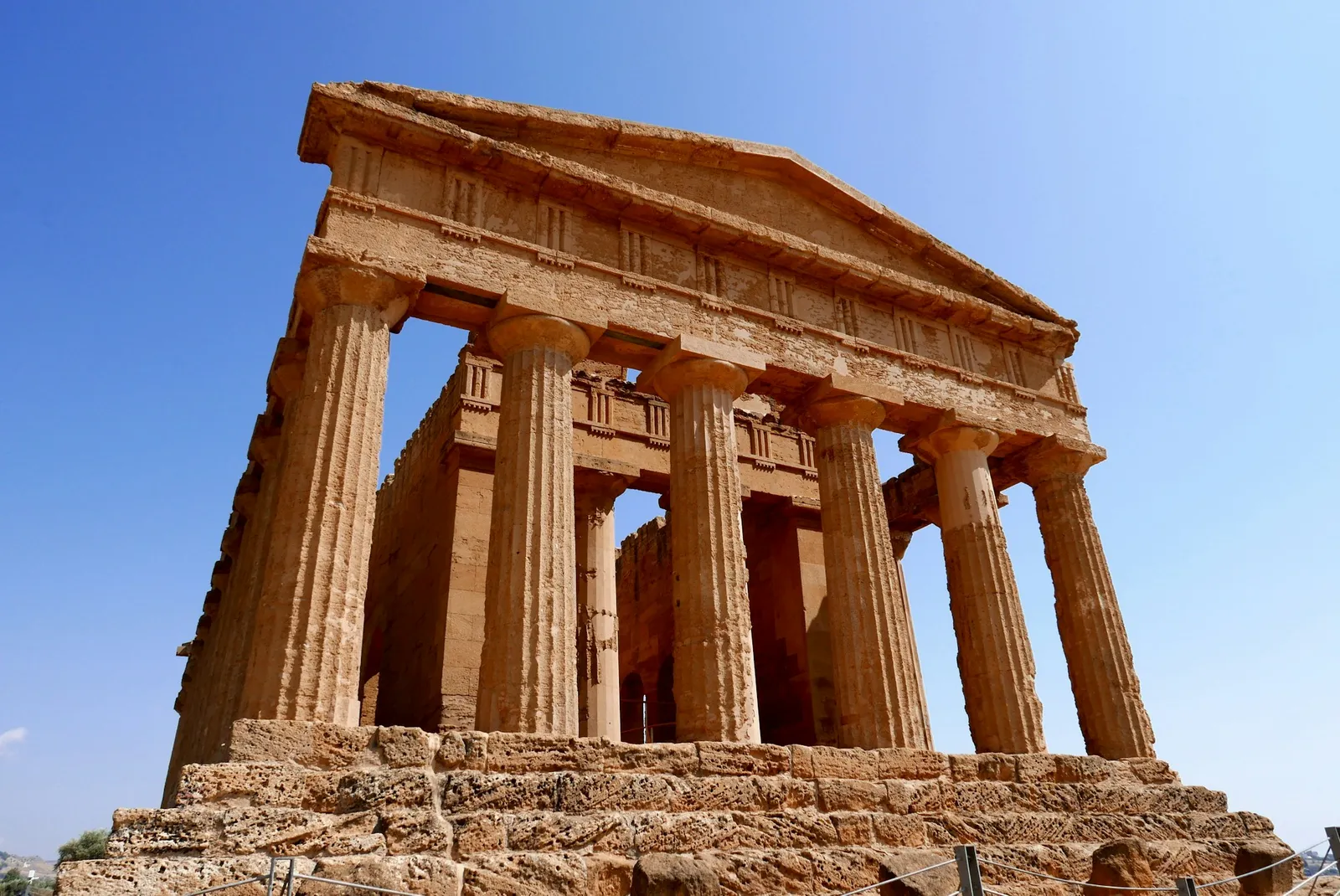
Things to do in Sicily: the 20 best at a glance
This is not a ranking of what is "best" in some absolute sense. It is the list I give friends when they ask what they should not miss, in the order you would meet them going round the island clockwise from Palermo. Each one links to the page where I cover it properly.
| # | What to see | Where | Full guide |
|---|---|---|---|
| 1 | The Palatine Chapel and the Arab-Norman churches | Palermo | Things to do in Palermo |
| 2 | The mosaics of Monreale Cathedral | Monreale, above Palermo | Palermo and the north |
| 3 | Cefalù: the cathedral, the beach and the Rocca | North coast | Things to do in Cefalù |
| 4 | Palermo street food | Palermo | Palermo street food |
| 5 | Mount Etna | East | Mount Etna |
| 6 | The ancient theatre at Taormina | East coast | Things to do in Taormina |
| 7 | Baroque Catania and its fish market | East coast | Things to do in Catania |
| 8 | The Alcantara Gorges | Between Taormina and Etna | Hiking in Sicily |
| 9 | Ortigia and ancient Syracuse | Southeast | Syracuse and Ortigia |
| 10 | Noto, Ragusa, Modica and Scicli | Southeast | The baroque towns |
| 11 | The Valley of the Temples | Agrigento, south coast | Agrigento |
| 12 | The Scala dei Turchi | Near Agrigento | Scala dei Turchi |
| 13 | The mosaics of the Villa Romana del Casale | Piazza Armerina, inland | Villa Romana del Casale |
| 14 | The temple and theatre of Segesta | West | Calatafimi-Segesta |
| 15 | Selinunte | Southwest coast | Castelvetrano and Selinunte |
| 16 | Erice, Trapani and the salt pans | West | Things to do in Trapani |
| 17 | Marsala wine and the island of Mozia | West | Marsala wine |
| 18 | The Zingaro reserve and San Vito Lo Capo | Northwest coast | Zingaro Nature Reserve |
| 19 | The Aeolian Islands and Stromboli | Off the north coast | Aeolian Islands |
| 20 | Favignana and the Egadi Islands | Off Trapani | Island hopping |
Sicily's UNESCO World Heritage Sites
Ask what Sicily is best known for and most Americans say Mount Etna, the food and the family names. What surprises people when they arrive is how much history is packed into one island: Greek temples that stand almost whole, Roman floors, Norman churches lined with gold mosaic and whole towns rebuilt in one go after an earthquake. UNESCO lists seven World Heritage sites in Sicily, and they are a fair map of what the island does best. Here they are, from UNESCO's own list, with the year each was inscribed and the page where I cover it.
| World Heritage site | Where | Inscribed | My guide |
|---|---|---|---|
| Archaeological Area of Agrigento | Agrigento, south coast | 1997 | Greek temples and ruins |
| Villa Romana del Casale | Near Piazza Armerina, inland | 1997 | Villa Romana del Casale |
| Aeolian Islands | Off the north coast | 2000 | Aeolian Islands |
| Late Baroque Towns of the Val di Noto | Southeast, plus Catania and Caltagirone | 2002 | The baroque towns |
| Syracuse and the Rocky Necropolis of Pantalica | Southeast | 2005 | Syracuse and Ortigia |
| Mount Etna | East | 2013 | Mount Etna |
| Arab-Norman Palermo and the Cathedral Churches of Cefalù and Monreale | Palermo and the north coast | 2015 | Things to do in Palermo |
If you want a longer read on why the island looks the way it does, my short history of Sicily is the place to start, and the Sicily travel guide gathers all my planning pages in one spot.
Things to see in Palermo and the north
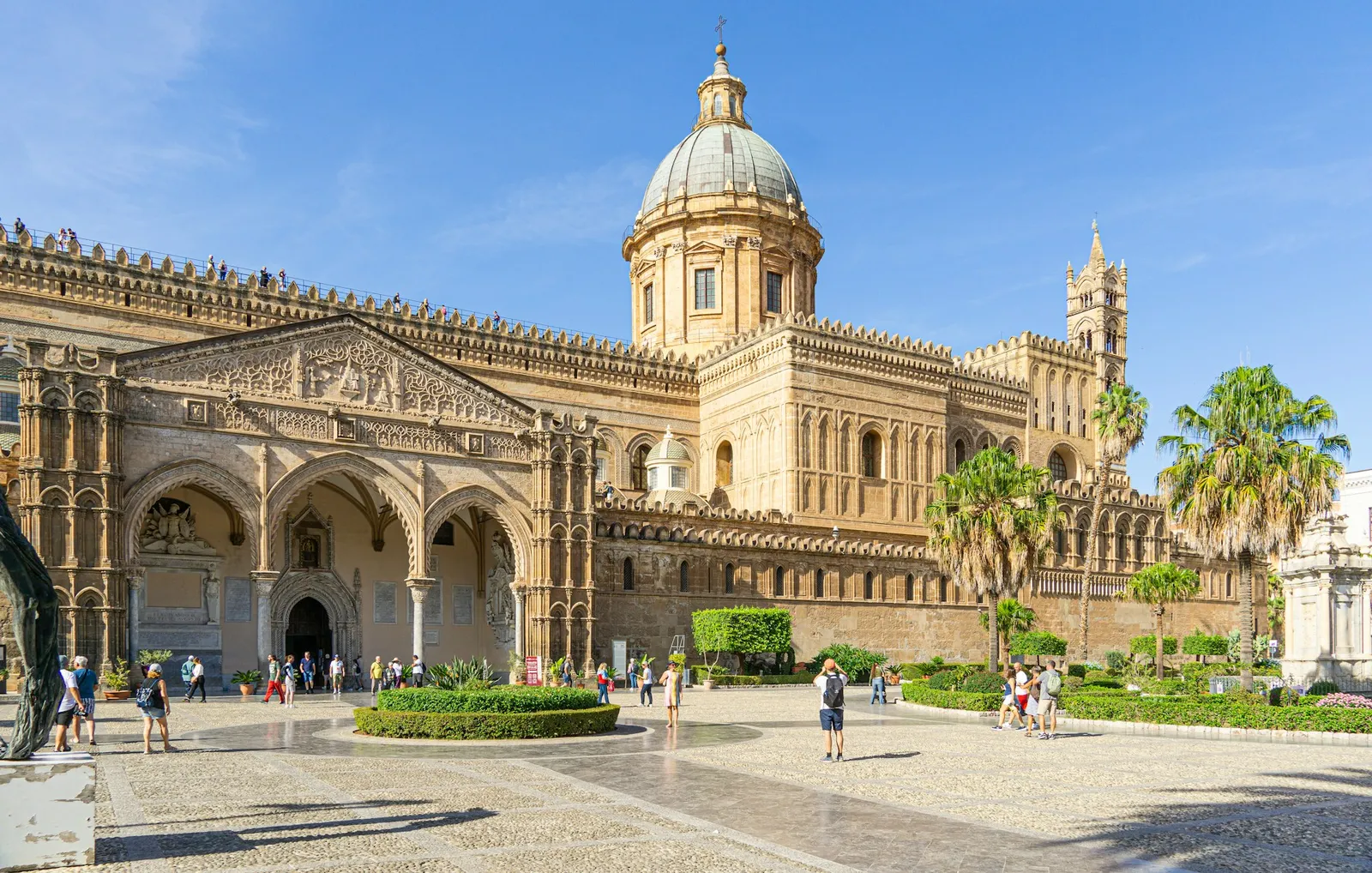
1. Palermo's Palatine Chapel and Arab-Norman churches
Palermo is the best city in Sicily for a first-time visitor who likes cities. UNESCO's Arab-Norman listing covers nine buildings from the Norman kingdom of Sicily, between 1130 and 1194, and seven of them are in Palermo: the Royal Palace with the Palatine Chapel, the Zisa, the cathedral, three churches (San Giovanni degli Eremiti, Santa Maria dell'Ammiraglio and San Cataldo) and the Admiral's Bridge. Give the city two full days and see the markets between the churches. My guide to things to do in Palermo covers the sights one by one, and Palermo from a cruise ship is the one-day version.
2. Monreale Cathedral
The other two buildings in that listing are cathedrals outside the city, and Monreale, on the hill above Palermo, is the one to see first. It is an easy half day from Palermo. My guide to Palermo, Cefalù and Monreale explains how the three fit together.
3. Cefalù
Cefalù has the third Norman cathedral, a long town beach and the Rocca, a limestone crag that rises 270 m (about 890 ft) above the sea, with the remains of a castle on top. The town charges about €5 ($5.50) for the walk up. It is under an hour from Palermo by train. More in things to do in Cefalù and on the Cefalù beach page.
4. Palermo street food
In Palermo, street food comes first every morning. Arancine, panelle and sfincione are sold from bars and stalls all over the old town. Start with my Palermo street food guide, then my pages on arancini and Sicilian pizza and sfincione, and the full Sicily food guide.
Places to visit in eastern Sicily
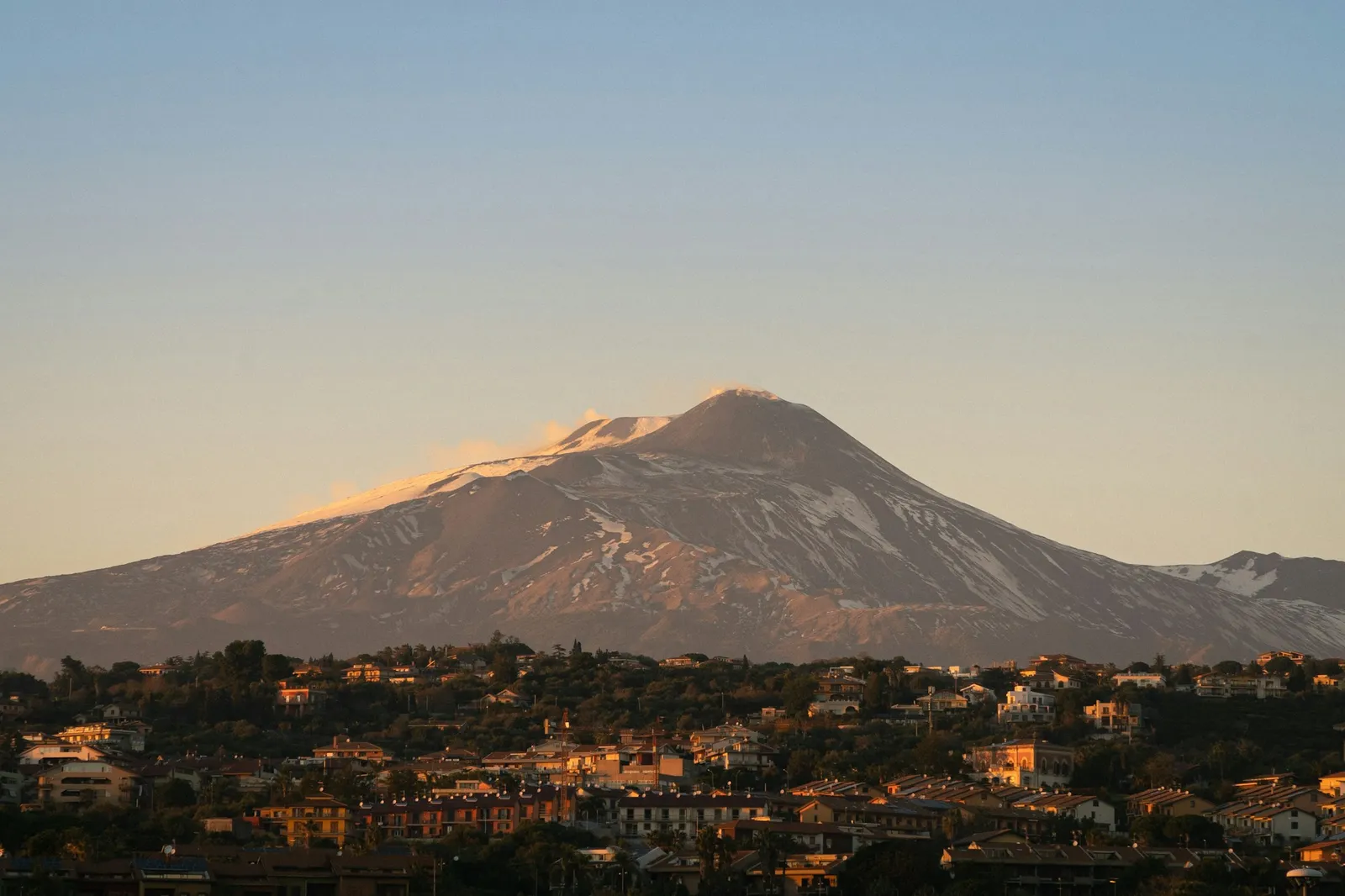
5. Mount Etna
UNESCO describes Etna as the highest Mediterranean island mountain and the most active stratovolcano in the world. You can see it in a day from Catania or Taormina, on your own or with a guide. My Mount Etna guide has the facts and where to check its activity, and Mount Etna tours and hikes explains the cable car, the bus and when you need a guide. For live activity, always go to the INGV Osservatorio Etneo, the national volcano institute, rather than a news headline.
6. Taormina's ancient theatre
The theatre at Taormina looks across the coast to Etna, and it is the picture most people have of Sicily before they come. A full ticket is about €14 ($15), according to the regional archaeological parks. Go early or late in the day. My things to do in Taormina page covers the town, Isola Bella and the day trips.
7. Catania
Catania is one of the eight towns UNESCO lists as rebuilt after the earthquake of 1693, so the centre is baroque, built largely in dark volcanic stone. It is also the island's busiest arrival point and the easiest base for Etna. See things to do in Catania and, if you are flying in, my Catania airport guide.
8. The Alcantara Gorges
The river Alcantara has cut through old lava, and in the gorges of contrada Larderia, between Castiglione di Sicilia and Motta Camastra, you walk between basalt columns. The park authority puts the stretch at about 400 m (a quarter of a mile) long, a few meters wide, with walls up to 50 m (about 165 ft) high. The water is cold even in summer. My hiking in Sicily page explains how to visit.
Syracuse, Ortigia and the baroque southeast
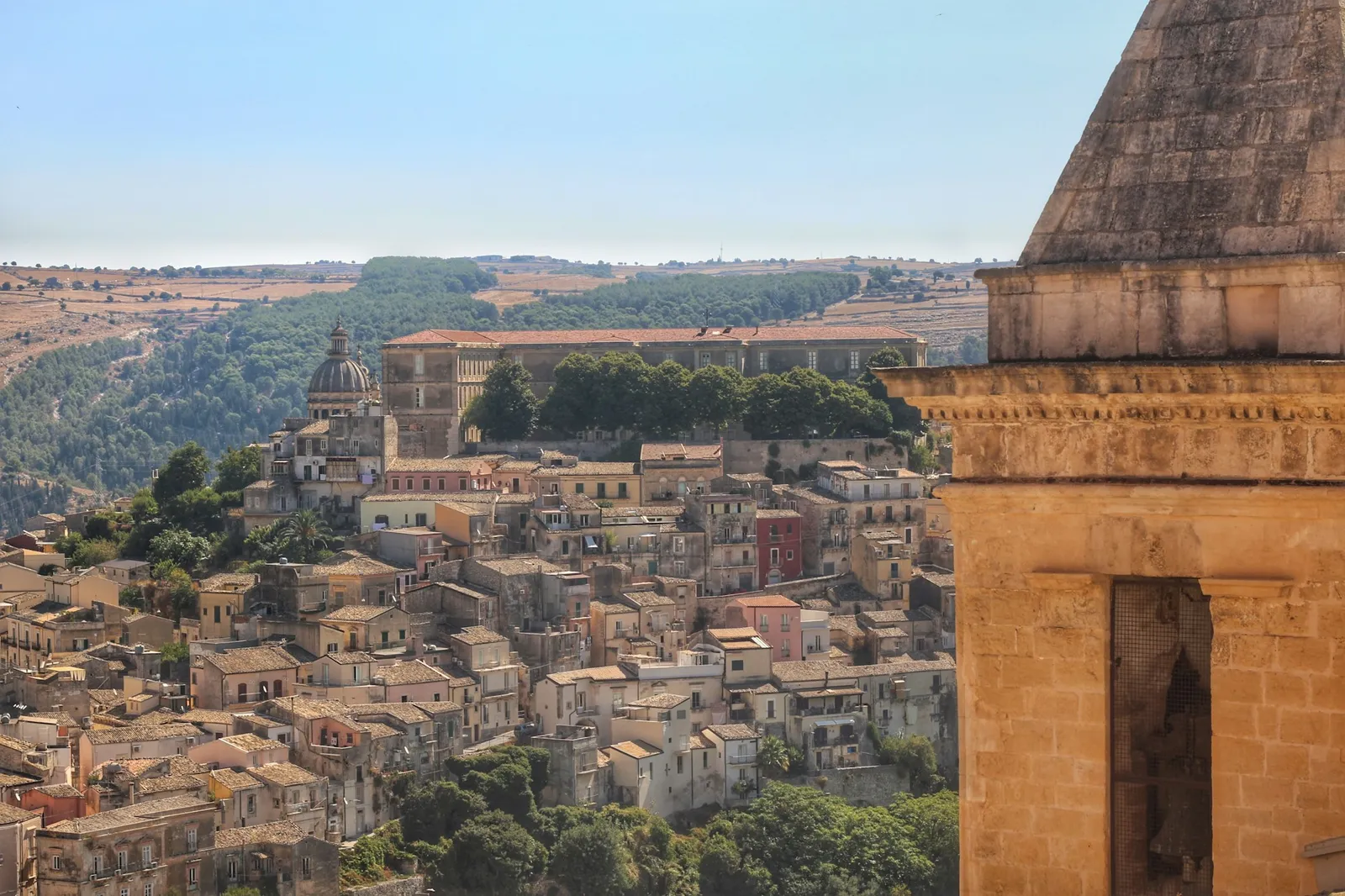
9. Ortigia and ancient Syracuse
Syracuse began on Ortigia, the small island old town, founded by Greeks from Corinth in the 8th century BC, as UNESCO puts it. Today Ortigia is the place to stay and walk in the evening, while the Neapolis archaeological park on the mainland holds the Greek theatre; a full ticket there is about €14 ($15). Inland, the same World Heritage site includes Pantalica, with over 5,000 tombs cut into the rock, most from the 13th to the 7th century BC. All of it is in my Syracuse and Ortigia guide.
10. Noto, Ragusa, Modica and Scicli
After the earthquake of 1693, eight towns in the southeast were rebuilt, and UNESCO lists them together: Caltagirone, Militello Val di Catania, Catania, Modica, Noto, Palazzolo, Ragusa and Scicli. Noto is the easiest day trip from Syracuse; Ragusa Ibla and Modica deserve a night. Caltagirone is also the capital of Sicilian pottery, which I cover in Sicilian ceramics and Moor's heads. Modica is also known for its chocolate, which I cover in Sicilian desserts. The towns themselves are in my guide to the baroque towns of the Val di Noto.
Greek temples and Roman mosaics
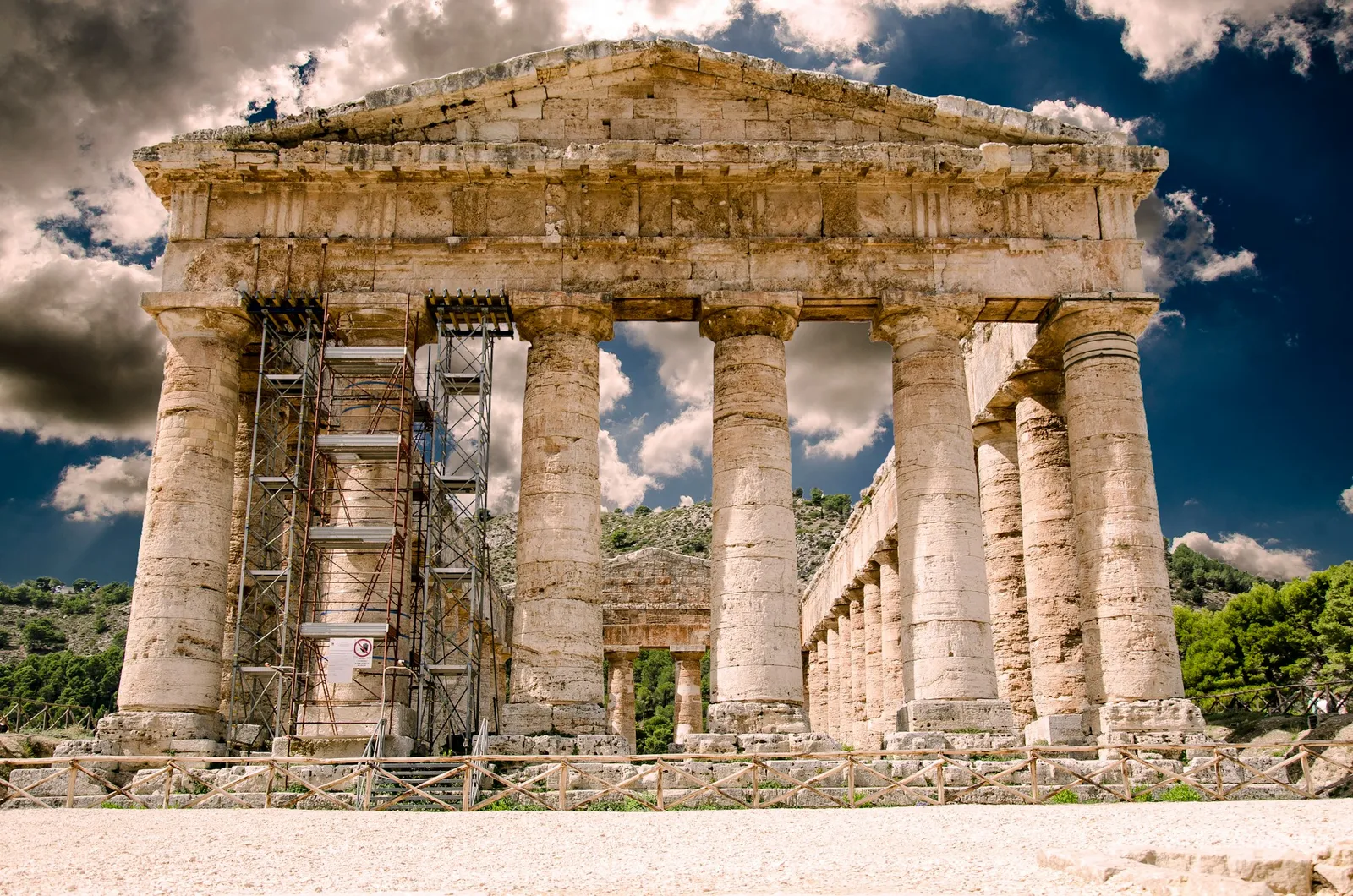
11. The Valley of the Temples
Agrigento was founded as a Greek colony in the 6th century BC, and UNESCO points to its Doric temples as the proof of how powerful it became. A full ticket to the park is about €14 ($15) on the official ticket site. My Agrigento guide covers the temples and how long to allow.
12. The Scala dei Turchi
The white cliff of the Scala dei Turchi, on the coast west of Agrigento, is the obvious pairing with the temples. Read the Scala dei Turchi page before you go, because access to the cliff itself has been restricted.
13. The Villa Romana del Casale
In the middle of the island, near Piazza Armerina, is a late Roman villa whose floors UNESCO calls the finest mosaics in situ anywhere in the Roman world. It is a detour from every coast, so it suits a route between Agrigento and Catania. My Villa Romana del Casale guide has the full visit, and the Piazza Armerina town page the town.
14. Segesta
Segesta, an hour west of Palermo, is my favorite of the temples because it stands alone in open country. The park's own history page says it was built between 430 and 420 BC and never finished: the columns were never fluted and there is no inner chamber. Higher up the hill is a theatre that the park dates to the middle of the 2nd century BC. See the Calatafimi-Segesta town page.
15. Selinunte
Selinunte, on the southwest coast, is huge: about 377 hectares (930 acres) with its outlying sites, which the regional park calls one of the largest sites in the Mediterranean. It is close to where I live, and it is never as crowded as Agrigento. My guide to the Greek temples and ruins of Sicily puts the ancient sites side by side. See the Castelvetrano town page and the beach at Marinella di Selinunte below the temples.
The west: Trapani, Marsala and the coast
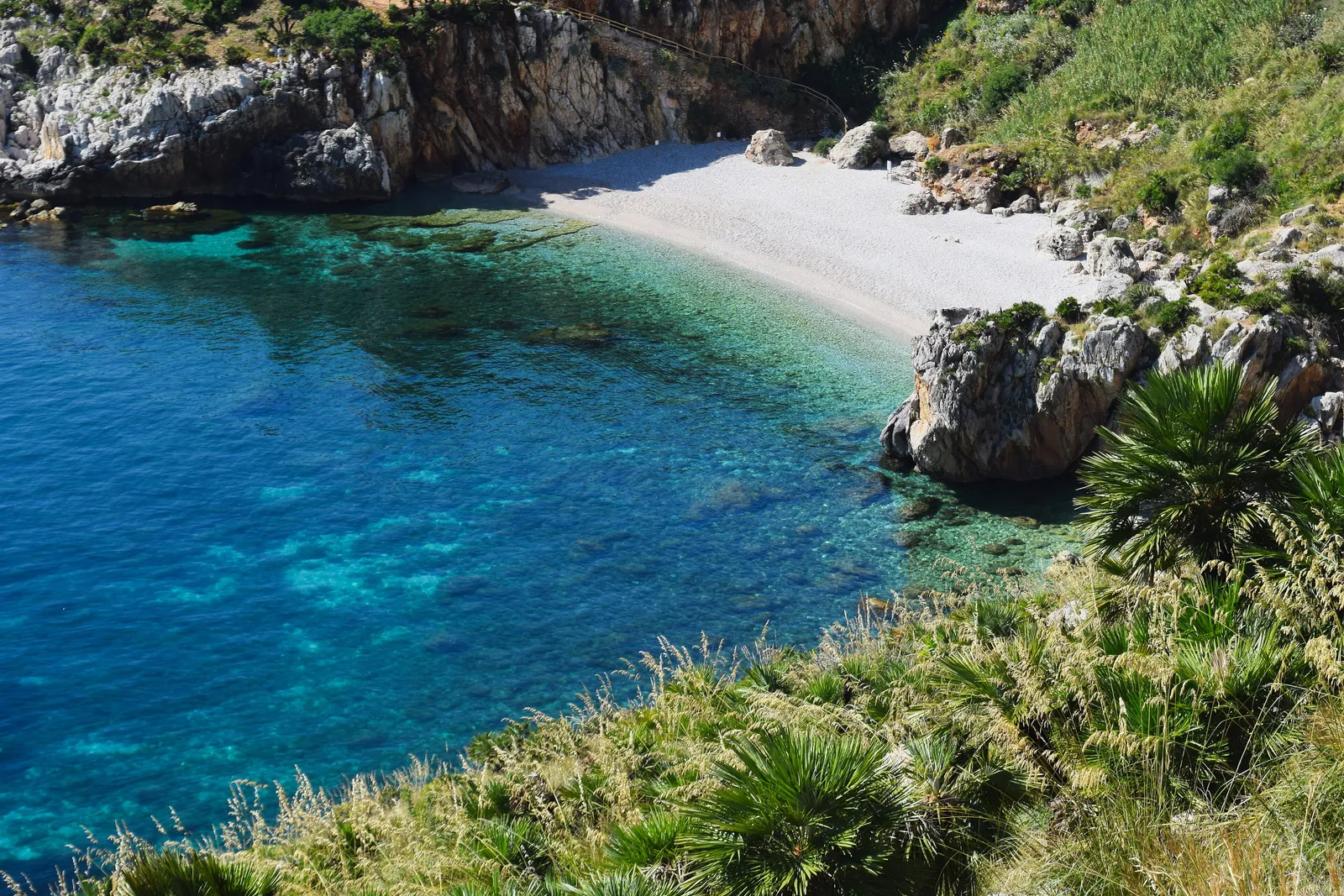
16. Erice, Trapani and the salt pans
The west is the part of Sicily I know best. Trapani, the hilltop town of Erice above it and the salt pans along the coast towards Marsala make two easy days. My things to do in Trapani and Trapani salt pans pages cover them.
17. Marsala and Mozia
Marsala gave its name to a wine, and the wine cellars are the reason many people stop. Just offshore is the small island of Mozia, a Phoenician town, which Italy has put on its UNESCO tentative list with ancient Lilybaeum, the Roman name for Marsala. My Marsala wine guide covers the cellars, and further down the coast, Mazara del Vallo, the town I live near, has its kasbah and its fishing harbor.
18. The Zingaro reserve and San Vito Lo Capo
Between Scopello and San Vito Lo Capo, the Zingaro reserve has no road through it, only paths and coves, with one entrance near Scopello in the south and one from the San Vito side in the north. San Vito itself has one of the island's best-known beaches. See Zingaro Nature Reserve and San Vito Lo Capo beach.
Islands and volcanoes
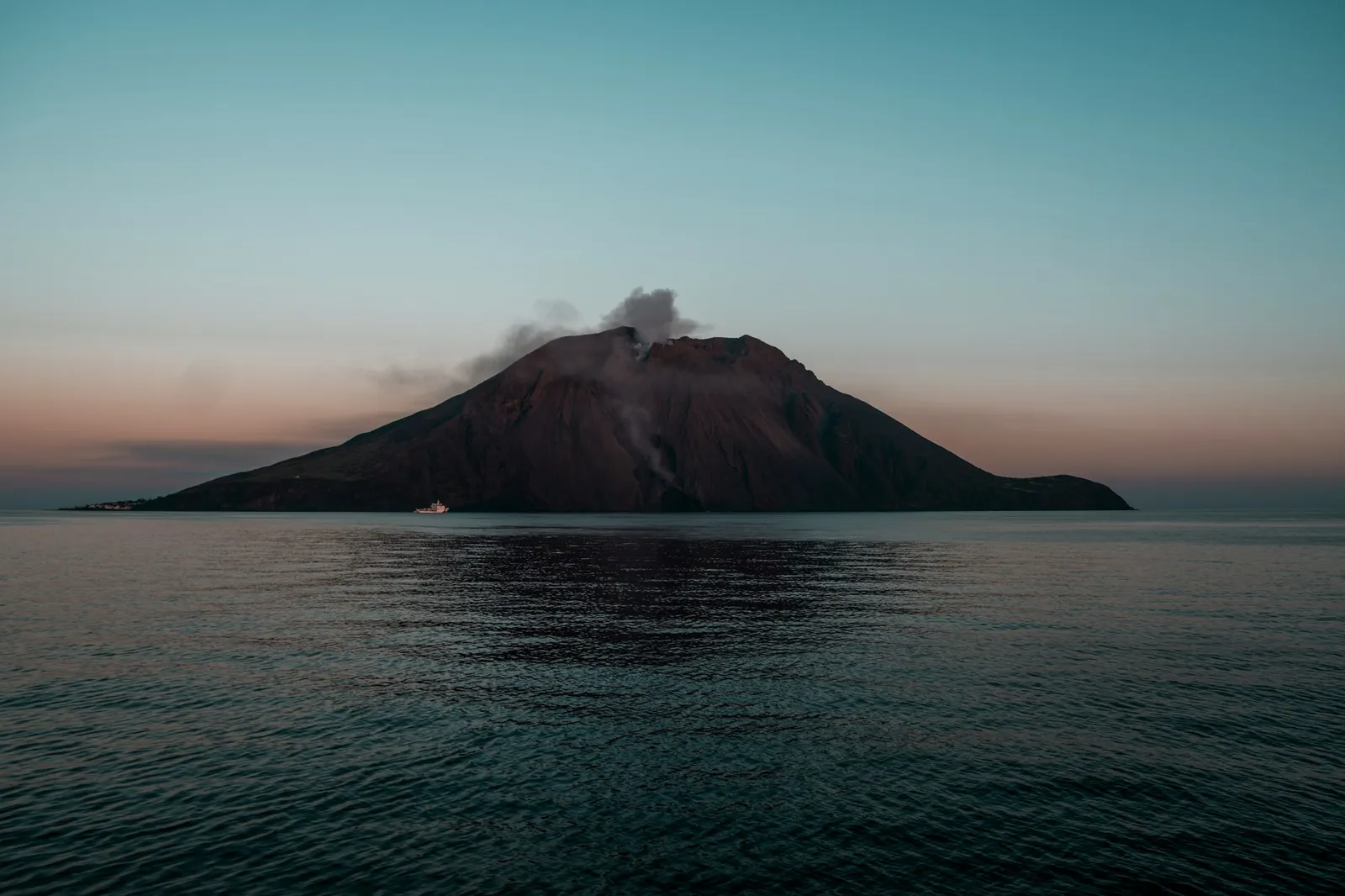
19. The Aeolian Islands and Stromboli
The seven Aeolian Islands off the north coast are a World Heritage site because they gave volcano science two of its types of eruption, the Vulcanian and the Strombolian, named after Vulcano and Stromboli. You reach them by hydrofoil, mainly from Milazzo. My Aeolian Islands guide covers the seven islands, volcanoes in Sicily covers Stromboli and Vulcano, and the island-hopping guide explains how to move between the islands.
20. Favignana and the Egadi Islands
The Egadi Islands, Favignana, Levanzo and Marettimo, sit off Trapani, and the sea around them is Italy's largest marine reserve, about 54,000 hectares according to National Geographic Italia. Favignana is a short hydrofoil ride from Trapani and is easy to see by bike. For the beaches, start with Cala Rossa.
Where to go in Sicily on a first trip
Sicily is bigger than people expect, and the drives take longer than the map suggests, so the question is not what to see but what to leave out. My advice is simple:
- With a week, choose the east (Catania, Etna, Taormina, Syracuse, Noto) or the west (Palermo, Monreale, Cefalù, Segesta, Trapani, Marsala). Fly into Catania for the first and Palermo for the second; my Sicily airports guide explains the choice.
- With ten days to two weeks, do both halves and cross through Agrigento. My Sicily itineraries page has the routes day by day.
- Stay in two or three bases rather than moving every night. Where to stay in Sicily compares them.
- If you would rather not drive, Sicily without a car shows what works by train and bus, and Sicily tours and vacation packages weighs up a guided tour.
- For the season, May and September are the sweet spot for most people; my best time to visit Sicily guide goes month by month, and my guide to Sicily's festivals and events has the feast days worth planning around.
And if you are deciding between Sicily and somewhere else in Italy for your vacation, Sicily vs Sardinia and the Amalfi Coast sets them side by side.
Frequently asked questions
What is there to do in Sicily?
Sicily is best for history, food and scenery together: the Norman mosaics of Palermo and Monreale, Mount Etna, the ancient theatre at Taormina, Ortigia in Syracuse, the baroque towns around Noto, the Greek temples of Agrigento, Segesta and Selinunte, the Roman mosaics of the Villa Romana del Casale, and islands such as the Aeolians and Favignana. Add street food in Palermo and a beach day.
What is the best place to visit in Sicily?
For a first trip, the east gives you the most famous sights within short drives: Etna, Taormina, Catania, Syracuse and Noto. The west, around Palermo, Monreale, Cefalù, Segesta, Trapani and Marsala, is less crowded and just as rich. Pick one half if you have a week.
What is Sicily best known for?
Mount Etna, its food, and its history: UNESCO lists seven World Heritage sites on the island, including the Valley of the Temples at Agrigento, the Villa Romana del Casale, the Aeolian Islands, the baroque towns of the Val di Noto, Syracuse with Pantalica, Mount Etna and Arab-Norman Palermo with the cathedrals of Cefalù and Monreale.
How many days do you need in Sicily?
A week covers one half of the island, east or west, without rushing. Ten days lets you see both halves, and two weeks is enough for a full loop with a couple of slower days. My Sicily itineraries page has routes for each length.
What is the best month to visit Sicily?
May and September suit most people: warm enough to swim, not as hot or crowded as July and August. April and October are good for sightseeing, and winter is mild on the coast but not beach weather.
Is Sicily worth visiting?
Yes. Few places pack Greek temples, Roman mosaics, Norman churches, baroque towns, an active volcano, islands and some of the best food in Italy into one region. It is large, so allow time and choose an area rather than trying to see everything.
What are the must-see places in Sicily?
If I had to pick five: Palermo with Monreale, Mount Etna, Taormina, Ortigia in Syracuse and the Valley of the Temples at Agrigento. In the west, add Segesta. With more time, add Noto and an island.
Can you see Sicily without a car?
Many of the highlights, yes: Palermo, Cefalù, Catania, Taormina and Syracuse are joined by trains and coaches, and the islands are reached by boat. The temples of Segesta and Selinunte, the Villa Romana del Casale, nature reserves and countryside stays are much easier with a car or a tour.
Sources and small print
- UNESCO World Heritage Centre, the list of sites in Italy with their years of inscription, and the pages for Arab-Norman Palermo, Mount Etna, Syracuse and Pantalica, the Val di Noto, Agrigento, the Villa Romana del Casale and the Aeolian Islands
- Parco archeologico di Segesta, the temple, and the regional park page on the theatre
- Parco archeologico di Selinunte, the size of the site
- Ticket prices: Teatro Antico di Taormina, Neapolis, Syracuse, Valley of the Temples and the Rocca di Cefalù (Comune di Cefalù)
- Parco Fluviale dell'Alcantara, the gorges
- UNESCO tentative list, Mothia Island and Lilibeo
- National Geographic Italia, the Egadi Islands marine reserve
- INGV Osservatorio Etneo, for Etna's current activity
Ticket prices are full adult prices from the official sites and can change; dollar figures are rounded.
Credits
Photo: Kees Kortmulder, Unsplash Licence, via Unsplash.
Photo: Vincenzo Inzone, Unsplash Licence, via Unsplash.
Photo: Samir Kharrat, Unsplash Licence, via Unsplash.
Photo: Valerio Giannattasio, Unsplash Licence, via Unsplash.
Photo: Anjuna Ale, Unsplash Licence, via Unsplash.
Photo: The Cosmonaut, CC BY-SA 4.0, via Wikimedia Commons.
Photo: Salvatore Tonnara, Unsplash Licence, via Unsplash.
 The weekly YouTube series