
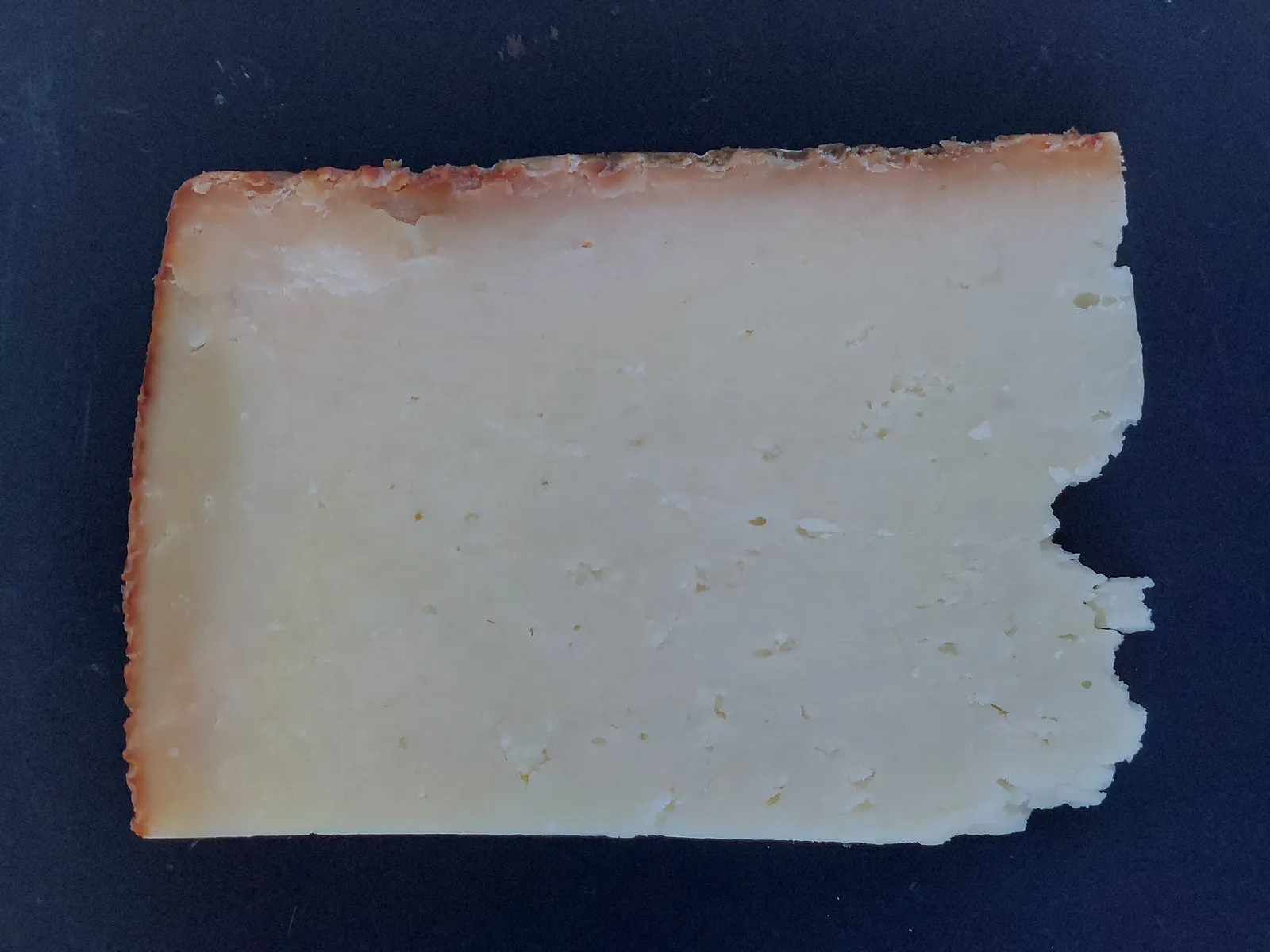
What makes Sicilian cheese different?
Three things shape almost every Sicilian cheese. The first is sheep. Much of the island is dry, hilly pasture that suits sheep better than cattle, so the oldest and most common cheese is pecorino, and the ricotta that goes into cannoli is traditionally made from sheep's milk whey. The second is raw milk: several of the protected cheeses must be made from whole, unpasteurised milk, which is a large part of why they taste of a particular place. The third is technique. Sicily has two great families of cheese: pressed cheeses shaped in baskets, like pecorino, and stretched-curd cheeses (pasta filata), where the curd is worked in hot water until it can be pulled and shaped, like caciocavallo and provola.
Season matters too. Sheep give most milk between autumn and late spring, so fresh sheep's cheeses and sheep's ricotta are at their best then, while some cheeses, such as Vastedda, have their own summer season. I keep bees and have a handful of olive trees, and the same rule applies: the best things here come when the land gives them, not when the shops want them.
If you only remember one word, make it DOP (Denominazione di Origine Protetta, the Italian name for the EU's protected designation of origin). A DOP cheese has to be made in a defined area to a written specification, the disciplinare, which the Ministry of Agriculture publishes. It is a guarantee of origin and method, not a guarantee that you will like it, but it is a good place to start.
What is Pecorino Siciliano DOP?
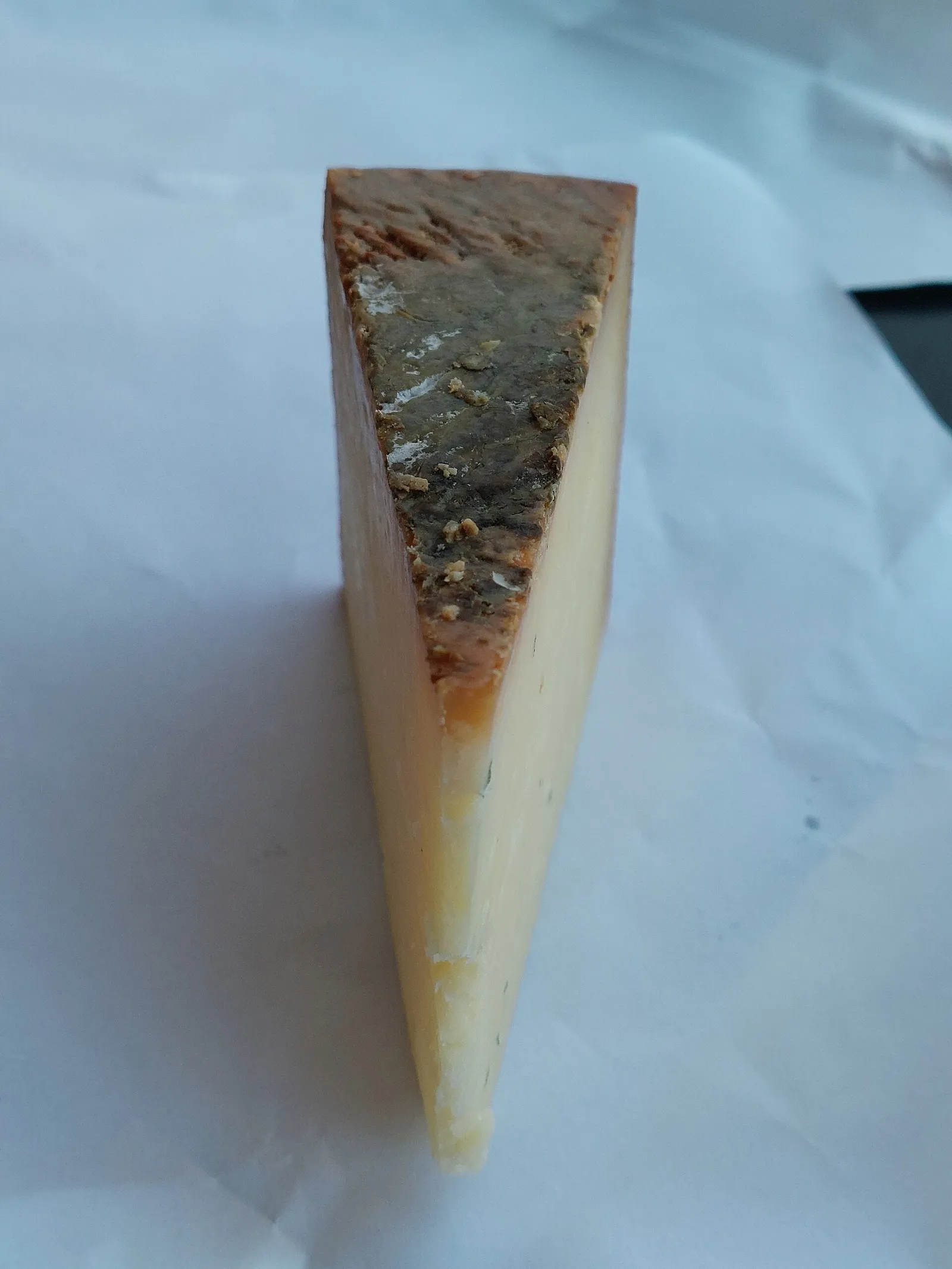
Pecorino Siciliano is the island's traditional cheese and its most widespread: the DOP covers the whole of Sicily. It is a semi-cooked, pressed cheese made from raw whole sheep's milk from animals reared within the area. The curd is pressed into reed baskets, known as fascedde, which leave the ridged pattern on the rind that makes a wheel of Sicilian pecorino easy to spot on a market stall.
The specification sets three ages:
- Fresco, aged 20 to 30 days: soft, milky and mild, a table cheese.
- Semistagionato, aged 60 to 90 days: firmer, with more bite.
- Stagionato, aged at least 120 days: hard, piquant and mostly used for grating over pasta.
Fresh and semi-mature wheels weigh about 3 to 5 kg; mature ones 6 to 14 kg. The mature cheese is strong, so Sicilians often eat it with bread and olives, which soften its sharpness. In practice you will see far more pecorino in Sicily than you will see with a DOP mark on it. Plenty of good farm pecorino is sold without the label, sometimes with black peppercorns (pecorino pepato) or chilli. Slow Food also runs a presidium for traditional raw-milk Sicilian pecorino, to support the small makers who still work this way.
What is Ragusano cheese?
Ragusano DOP is the big cheese of the south east, and the one most visitors to Ragusa, Modica and the Baroque towns will meet. It is a stretched-curd cheese made from raw whole cow's milk in the province of Ragusa and in three towns of the province of Siracusa: Noto, Palazzolo Acreide and Rosolini. Locally it is simply caciocavallo, or cosacavaddu.
Its shape is the giveaway: a long block with a square cross-section and rounded corners, weighing about 10 to 16 kg according to the specification. During ageing the blocks are tied in pairs and hung over wooden beams in cool, ventilated rooms. The specification requires at least three months of ageing. Young Ragusano is sweet and delicate, a table cheese; older blocks turn piquant, and Ragusano aged for more than a year is grated over pasta. There is also a smoked version.
Traditionally the best Ragusano comes from the milk of the Modicana breed, a hardy red-brown cow suited to the dry Hyblaean plateau. Not every DOP block is Modicana milk, so if it matters to you, ask. My guide to the Baroque towns of the Val di Noto covers the area, and both Ragusa and Modica have their own town pages.
What is Piacentinu Ennese, the saffron cheese?
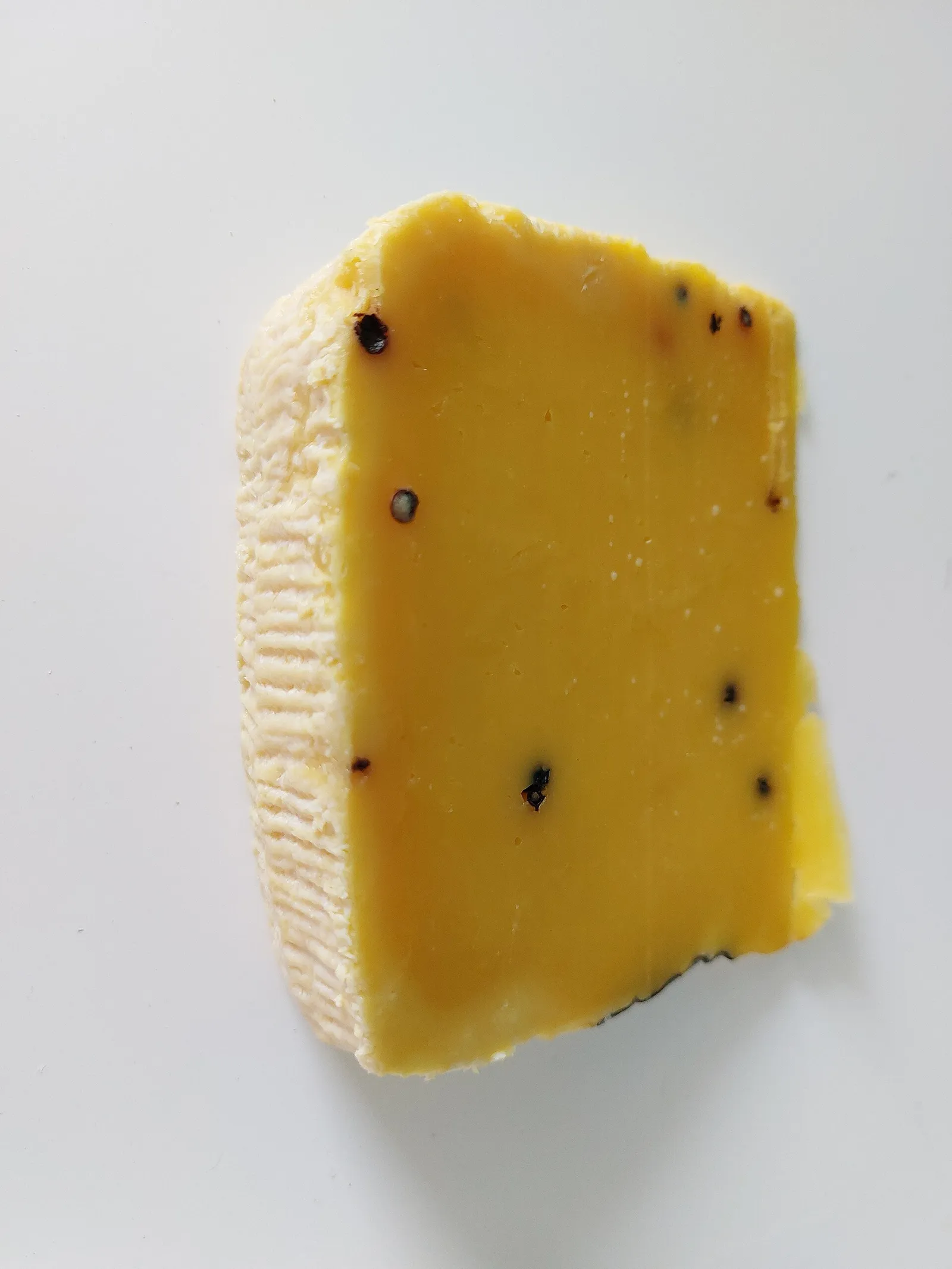
Piacentinu Ennese is the cheese people remember for its colour. It is a pressed sheep's cheese from the province of Enna, in the middle of the island, made from raw whole milk of Sicilian breeds (Comisana, Pinzirita, Valle del Belìce and their crosses). Locally grown saffron is added to the milk in the wooden vat with the rennet, and whole black peppercorns go into the curd before it is pressed into baskets.
The result is a cylinder of about 3.5 to 4.5 kg with a smooth paste of deep yellow, studded with pepper. It must age for at least 60 days. The saffron gives a gentle, slightly floral note rather than a strong flavour, and the pepper does most of the talking. In Enna it is eaten as a table cheese and grated into local dishes, including pasta in chicken broth and stuffed kid. It became a DOP in 2011, and it is a small production, so you are most likely to find it in the Enna area or at good cheese counters in Palermo and Catania.
What is Vastedda della Valle del Belìce?
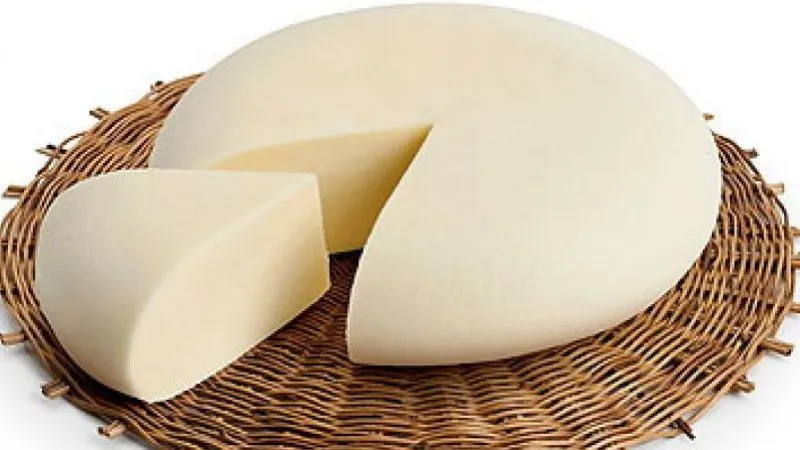
Vastedda is the cheese of my own end of the island, the west, and it is unusual: a stretched-curd cheese made from sheep's milk. Stretched curd is normally a technique for cow's or buffalo milk. Slow Food describes Vastedda as Italy's only stretched-curd sheep's cheese, and the DOP summary calls it one of very few in the world.
It is made from raw whole milk of the Valle del Belìce sheep breed in 18 towns across the provinces of Trapani, Agrigento and Palermo. The worked curd is shaped into a flat, rounded loaf about 15 to 17 cm across and 500 to 700 g in weight; the name comes from that shape, like a small flat loaf. Its history is a nice piece of thrift: the name probably comes from the dialect word vasta, spoiled, because cheesemakers in summer found they could rescue pecorino curd that had gone wrong by stretching it.
Vastedda does not age. It is eaten fresh, from about 12 to 48 hours after making, with a little olive oil and oregano, in a sandwich, or melted on pizza. The DOP was registered in 2010, and the Slow Food presidium notes that it is made mainly from May to October. Towns in the Belìce valley such as Santa Margherita di Belìce, Partanna and Salemi are the places to look.
What is Provola dei Nebrodi, and what are the other mountain cheeses?
Provola dei Nebrodi is the newest of the five: it was registered as a DOP in September 2020. It is a stretched-curd cow's milk cheese from the Nebrodi mountains in the north east, made in towns across the provinces of Messina, Catania and Enna. The milk is raw and whole, from cows fed mostly on local forage.
The specification has five types, which is more than any other Sicilian cheese:
- Fresca: pear-shaped, about 1 to 2 kg, soft and milky.
- Semistagionata and Stagionata: oval, 2 to 10 kg, firmer, with the mature version good for grating.
- Sfoglia: a layered type.
- Con limone verde: a whole green lemon is set into the heart of the cheese as it is shaped, which keeps the paste softer as it ages.
A traditional way to eat it is all'argentiera: slices fried in a pan with garlic, anchovies and a splash of vinegar. Slow Food also runs a presidium for Provola dei Nebrodi.
Provola delle Madonie and Maiorchino
Two more mountain cheeses have no DOP but are Slow Food presidia. Provola delle Madonie is a hand-worked cow's milk provola from the Madonie mountains above Cefalù and Castelbuono. Maiorchino, from the Peloritani mountains near Messina, is a large, hard cheese of sheep's milk with some goat's milk, aged for many months, sometimes up to two years. It is rare, and in towns such as Novara di Sicilia the old wheels are still rolled down the main street in a Carnival race.
What are caciocavallo, tuma, primosale and canestrato?
Most cheese bought in Sicily has no protected name at all, and these are the words you will see on market stalls and menus.
Caciocavallo
Caciocavallo is a stretched-curd cow's milk cheese, tied in pairs and hung to age, which is said to be where the name ("cheese on horseback") comes from. Ragusano is the protected Sicilian version, but caciocavallo is made all over the island. Around Palermo, the caciocavallo palermitano of towns such as Godrano and Cinisi, from the local Cinisara cow, is listed on Slow Food's Ark of Taste.
Tuma
Tuma is the first stage of a pecorino: fresh curd, pressed into its basket, with no salt at all. It is soft, mild and slightly squeaky, and it lasts only a few days. Fried in breadcrumbs, or simply with bread and olive oil, it is one of the best cheap lunches in Sicily.
Primosale
Primosale means "first salt". It is the same pecorino after its first salting, at roughly 8 to 10 days old: still fresh and moist, but with more flavour than tuma. It is often flavoured with black pepper, chilli, rocket or pistachio. If a menu says secondo sale, the cheese has been salted again and aged a little longer.
Canestrato
Canestrato simply means "basketed", and in Sicily it is used for pecorino-style cheeses pressed in baskets and aged. You will see the name on cheeses of all ages. It is not a protected name, so treat it as a description and ask how old the cheese is.
What is Sicilian ricotta, and why does it matter so much?
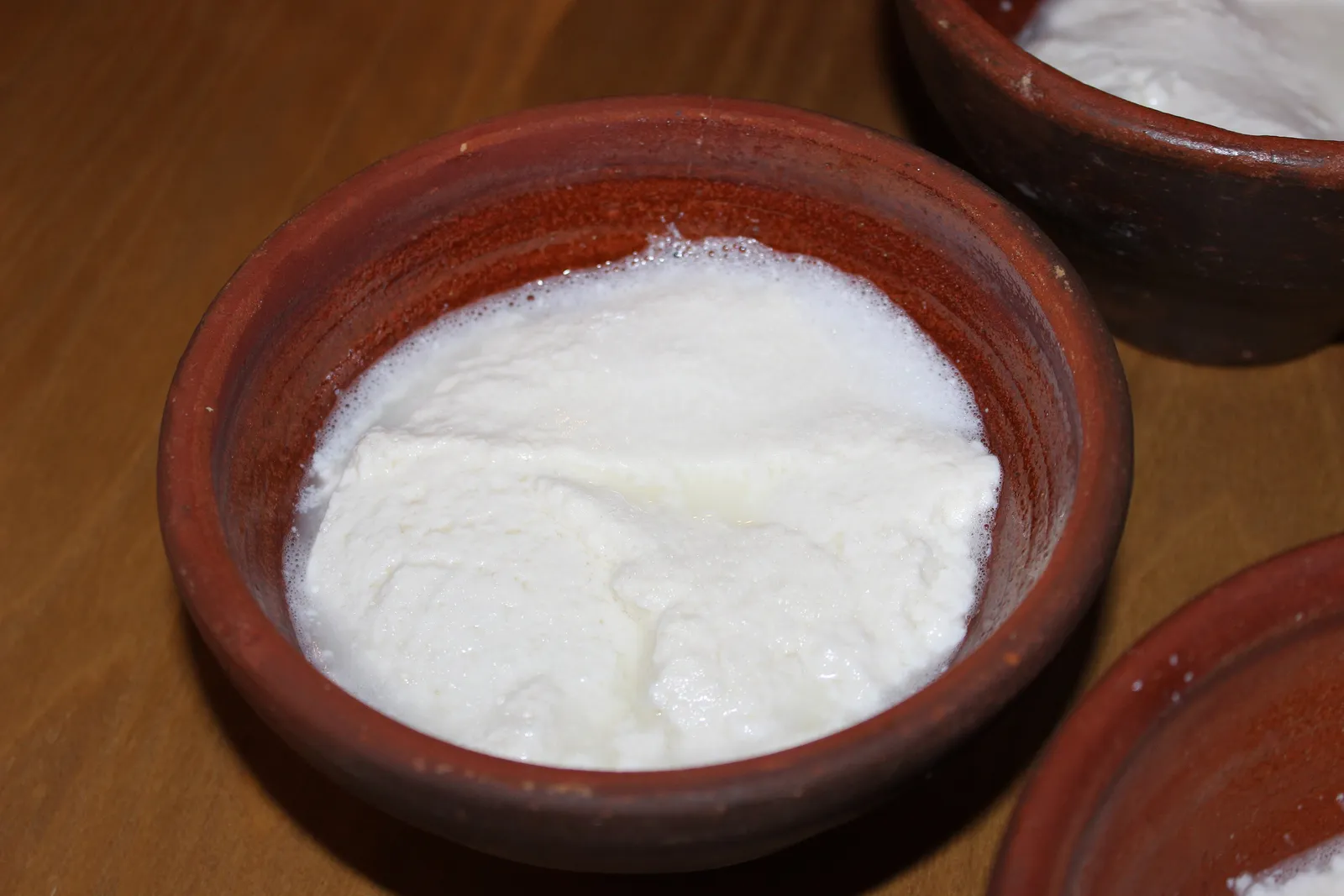
Strictly speaking, ricotta is not a cheese. It is made from the whey left over after cheesemaking: the whey is heated again until the remaining proteins rise to the surface as soft white flakes, which are lifted out into baskets to drain. The name means "cooked again". Sicilian ricotta is traditionally sheep's milk ricotta, and at a dairy you can buy it still warm, an hour or two old.
There is no DOP for Sicilian ricotta, so the guarantee is the person selling it. Fresh sheep's ricotta is best in the months when the sheep are milking well, roughly autumn to late spring. In summer, when milk is scarce, more of what you see is cow's milk ricotta.
What Sicilians do with ricotta
- Cannoli and cassata. Sweetened sheep's ricotta is the filling of cannoli and the heart of cassata, and the reason a cannolo in Sicily tastes different from one abroad. My guide to Sicilian desserts covers both.
- Pasta. Fresh ricotta stirred through hot pasta, and ricotta salata (salted, pressed and dried) grated over pasta alla Norma.
- Ricotta infornata. Baked ricotta with a brown crust, a speciality of the east and the Nebrodi, eaten sliced or grated.
- Straight from the dairy. Still-warm ricotta eaten with a spoon or on bread is a treat in its own right, and the reason to find a dairy early in the morning.
If you are in the east in late April, the town of Vizzini, south west of Catania, holds a long-running ricotta and cheese festival, the Sagra della Ricotta e del Formaggio, around 25 April.
How do you eat Sicilian cheese?
Sicilians do not usually serve a cheese board at the end of a meal. Cheese turns up at the start, as part of an antipasto with olives, salami and vegetables, or inside the cooking. A rough guide:
| Cheese | Milk | Style | Best eaten |
|---|---|---|---|
| Pecorino Siciliano DOP | Raw sheep | Pressed, basket-marked | Young with bread; aged grated over pasta |
| Ragusano DOP | Raw cow | Stretched curd, long block | Young as a table cheese; aged for grating |
| Piacentinu Ennese DOP | Raw sheep | Pressed, saffron and pepper | In slices, or grated into dishes |
| Vastedda della Valle del Belìce DOP | Raw sheep | Fresh stretched curd | Within a day or two, with oil and oregano |
| Provola dei Nebrodi DOP | Raw cow | Stretched curd, pear or oval | Fresh, or fried all'argentiera |
| Tuma and primosale | Sheep | Fresh, unsalted or lightly salted | The day you buy them |
| Ricotta | Sheep or cow whey | Fresh | Warm from the dairy, or in sweets and pasta |
A few habits worth copying:
- Ask for a taste before you buy. At a market stall or dairy this is normal.
- Buy fresh cheeses in small amounts and eat them quickly; they are not meant to keep.
- Grate aged pecorino or Ragusano over pasta with sardines, tomato sauces and anything with aubergine.
- Try fried cheese: formaggio all'argentiera with caciocavallo or provola is a Palermo classic.
- Pair young cheeses with honey. I am biased because I keep bees, but a spoon of local honey on young pecorino is hard to beat. My piece on why Sicilian honey tastes different explains the honeys to look for.
- Drink local wine with it: Nero d'Avola with aged pecorino, a crisp Grillo with fresh cheeses. My Sicilian wine guide has more pairings.
Where to buy cheese in Sicily
Markets
The big street markets are the easiest place to start. In Palermo, Ballarò and the Capo market have cheese stalls selling pecorino, caciocavallo and ricotta, and in Catania the market around the fish market (la Pescheria) and the Fera 'o Luni market are the places to look. Weekly markets in smaller towns usually have at least one cheesemaker's van. My Sicily food guide has more on the markets.
Dairies
A dairy (caseificio) or a farm that makes its own cheese (azienda agricola) is the best place of all, especially early in the morning, when the ricotta is made. In the countryside you will see hand-painted signs for ricotta calda (warm ricotta). Many small dairies do not have a shop as such; you knock and ask. The Slow Food presidium pages name the producers who belong to each presidium, which is a useful starting list.
Delicatessens
In the cities, a good salumeria or cheese shop will usually stock the DOP cheeses and can tell you where each came from. This is often the only easy way to find Piacentinu Ennese or Provola dei Nebrodi outside their home areas.
How to read the label
- DOP, with the red and yellow EU logo: made in the defined area to the specification.
- Latte crudo: raw milk.
- Pecora, vacca, capra: sheep, cow, goat.
- Fresco, semistagionato, stagionato: fresh, semi-mature, mature.
- Presidio Slow Food: a producer belonging to a Slow Food project for that traditional food.
Can you take Sicilian cheese home?
This depends on where home is, and for British readers the answer at the moment is no. Because of animal disease outbreaks in the EU, GOV.UK says travellers cannot bring cheese, milk or other dairy products from the EU into Great Britain, whether or not they are packaged or bought at duty free. The only exceptions are small amounts of powdered infant milk, infant food and special medical foods. The rules have changed several times since 2025, so check the GOV.UK page "Bringing food into Great Britain" before you pack.
If you live elsewhere in the EU, you can travel with cheese freely. For other countries, check your own customs rules before you fly. Wherever you are going, vacuum packing helps aged cheeses travel; fresh cheeses such as ricotta, tuma and Vastedda are best enjoyed in Sicily.
When is the best time for Sicilian cheese?
Autumn to spring is the season for fresh sheep's cheeses and sheep's ricotta. Traditional pecorino is typically made from about October to June, and spring, when the pasture is green, is often considered the best time of all. Summer is the season for Vastedda, and aged cheeses are good all year. For planning a trip around food, my Sicily month by month tool shows what each month is like, and the guide to the best time to visit Sicily covers the weather and crowds.
Frequently asked questions
What cheese is Sicily famous for?
Sicily is best known for Pecorino Siciliano, a raw sheep's milk cheese made across the island and shaped in reed baskets, and for its sheep's milk ricotta, which fills cannoli and cassata. Ragusano, a cow's milk caciocavallo from the Ragusa area, is the other famous name. In all, five Sicilian cheeses hold EU protected status (DOP).
How many DOP cheeses does Sicily have?
Five: Pecorino Siciliano, Ragusano, Piacentinu Ennese, Vastedda della Valle del Belìce and Provola dei Nebrodi. All five appear on the Italian Ministry of Agriculture's list of cheese specifications. Provola dei Nebrodi is the newest, registered in 2020. Other traditional cheeses, such as Provola delle Madonie and Maiorchino, are protected as Slow Food presidia rather than by DOP status.
What is Ragusano cheese like?
Ragusano DOP is a stretched-curd cheese made from raw cow's milk in the province of Ragusa and three towns near Siracusa. It comes as a long block with a square cross-section, weighing about 10 to 16 kg, and is aged at least three months. Young Ragusano is sweet and mild; aged blocks become piquant and are grated over pasta. There is also a smoked version.
Is Pecorino Siciliano the same as Pecorino Romano?
No. Both are sheep's milk cheeses with DOP status, but Pecorino Romano is made mainly in Sardinia and Lazio and is saltier, while Pecorino Siciliano can be made anywhere in Sicily from raw milk and is sold at three ages, from a mild fresh cheese of 20 to 30 days to a hard, piquant cheese aged at least 120 days. It carries the marks of the reed baskets it is shaped in.
What is the yellow Sicilian cheese with peppercorns?
That is Piacentinu Ennese DOP, from the province of Enna in central Sicily. It is a raw sheep's milk cheese coloured with locally grown saffron and studded with whole black peppercorns, aged for at least 60 days. The saffron gives a gentle floral note and a deep yellow colour. It is a small production, so look for it around Enna or at good cheese shops in Palermo and Catania.
Is Sicilian ricotta made from sheep or cow milk?
Traditional Sicilian ricotta is sheep's milk ricotta, made by reheating the whey left over from pecorino, and it is the ricotta that classic cannoli and cassata call for. Cow's milk ricotta is also sold, especially in summer when sheep give less milk. There is no DOP for Sicilian ricotta, so ask the seller which milk it is.
What is the difference between tuma and primosale?
Both are early stages of a pecorino. Tuma is the freshly pressed curd with no salt at all, soft and mild, and it keeps only a few days. Primosale, meaning first salt, is the same cheese after its first salting at around 8 to 10 days old: still fresh, but with more flavour. Primosale is often sold flavoured with black pepper, chilli or rocket.
Can I bring cheese back to the UK from Sicily?
Not at the moment. GOV.UK says travellers cannot bring cheese, milk or other dairy products from EU countries into Great Britain because of animal disease outbreaks in the EU, even if they are packaged or bought at duty free. Only small amounts of powdered infant milk, infant food and special medical foods are allowed. Check the GOV.UK page before travelling, as the rules have changed several times.
Where can I buy fresh ricotta in Sicily?
The best fresh ricotta comes straight from a dairy (caseificio) or a farm that makes its own cheese, early in the morning when it is made, often still warm. In the countryside look for signs saying ricotta calda. In the cities, the cheese stalls at markets such as Ballarò and the Capo in Palermo and the Catania market sell it most mornings, and good delicatessens stock it too.
What is Vastedda cheese?
Vastedda della Valle del Belìce DOP is a fresh stretched-curd cheese made from the raw milk of Valle del Belìce sheep in western Sicily. Slow Food describes it as Italy's only stretched-curd sheep's cheese. It is a flat round loaf of 500 to 700 g, eaten within a day or two of making, usually with olive oil and oregano. It is mainly made between May and October.
Sources and small print
- Ministry of Agriculture (MASAF): DOP and IGP cheese specifications, including the Ragusano specification
- European Commission: eAmbrosia register of geographical indications
- Qualigeo (Fondazione Qualivita) summaries of the specifications: Pecorino Siciliano, Ragusano, Piacentinu Ennese, Vastedda della Valle del Belìce, Provola dei Nebrodi
- Consorzio Ragusano DOP
- Regione Siciliana: Provola dei Nebrodi becomes a DOP
- Slow Food Foundation presidia: Vastedda della Valle del Belìce, Provola dei Nebrodi, Provola delle Madonie, Maiorchino, and the Ark of Taste entry for Cinisara cow caciocavallo
- Visit Sicily (Regione Siciliana): Slow Food presidia in Sicily
- La Sicilia in Rete: traditional products, tuma, primosale and secondo sale
- GOV.UK: bringing meat, dairy and animal products into Great Britain
Weights and ageing times are those set in the DOP specifications; individual cheeses vary within them. Festival dates change from year to year, so check before you travel.
Credits
Photo: HaguardDuNord, CC BY 4.0, via Wikimedia Commons.
Photo: HaguardDuNord, CC BY 4.0, via Wikimedia Commons.
Photo: HaguardDuNord, CC BY 4.0, via Wikimedia Commons.
Photo: Lele1989, CC BY-SA 4.0, via Wikimedia Commons.
Photo: 8w9d, CC0, via Wikimedia Commons.
 The weekly YouTube series