
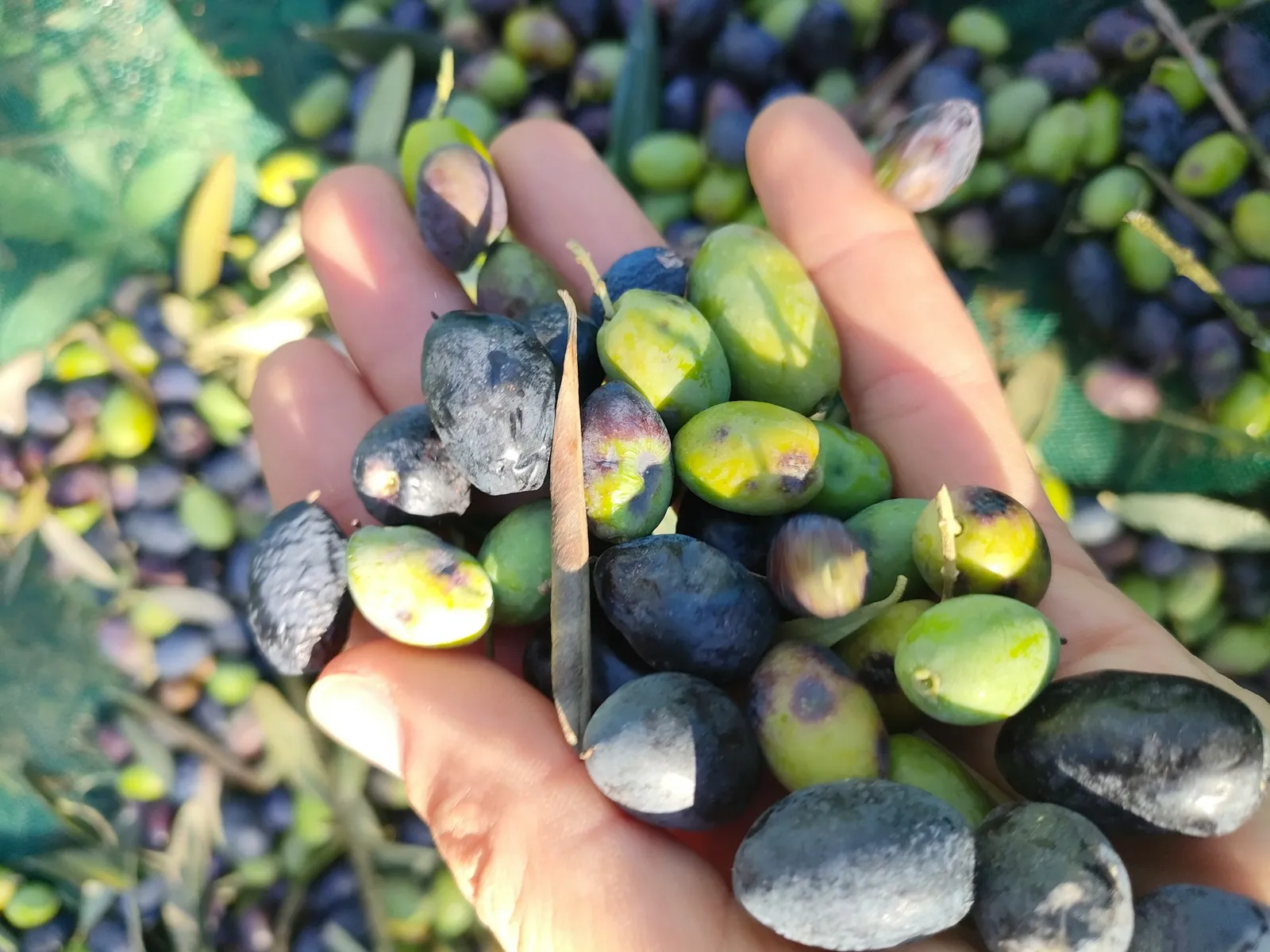
What does "real" olive oil actually mean?
When people search for how to tell if olive oil is real, they usually mean one of three different things, and it helps to separate them, because the checks are different.
- Is it olive oil at all? Outright fakes, where cheap seed oil is coloured and sold as olive oil, do happen, but they are rare in mainstream shops in the UK and the EU.
- Is it really extra virgin? This is the big one. A lot of oil sold as extra virgin would fail the legal standard if tested, usually because it is old, was made from poor fruit, or has been blended with lower grades.
- Is it from where it says? Oil from one country sold as another, usually as Italian, is the classic olive oil fraud.
The good news is that the checks for the second and third questions also catch most of the first. The bad news is that none of them is proof. Each one shortens the odds.
Which grade is on the label, and can you trust it?
In the EU and the UK the names on the bottle are legal grades, not marketing words: extra virgin, virgin, olive oil (a blend of refined and virgin oils) and olive-pomace oil. Only extra virgin and virgin oils are made purely by mechanical means, without chemicals or high heat, and extra virgin vs olive oil sets out what each grade means and its legal limits. Whether you can trust the grade printed on the label is another matter.
The part people miss is the tasting panel. To be extra virgin, an oil has to pass a chemical analysis and a sensory test by a trained panel, which must find a fruity character and no defects such as mustiness or rancidity. That is why an oil can be extra virgin on the day it is bottled and no longer extra virgin a year and a half later: it ages, the defects appear, and the grade on the label does not change with it.
How does olive oil fraud work?
Olive oil is valuable, and grades and origins are hard to check by eye, so it has long been one of the foods most often reported in EU food fraud cases. The common tricks are:
- Downgrading: selling virgin or old, defective oil as extra virgin. This is by far the most common problem, and partly it is not deliberate fraud at all: oil simply gets old on the shelf.
- Mislabelled origin: oil from cheaper producing countries sold as Italian or Greek.
- Blending in lower grades: refined olive oil or pomace oil mixed into extra virgin.
- Blending in other oils: seed oils such as sunflower, coloured green and sometimes flavoured. This is the outright fake, and the rarest in mainstream shops.
The best-known study of the problem is the UC Davis Olive Center's 2010 testing of oils bought in California shops, where most of the imported samples labelled extra virgin failed the sensory standard, mainly because they were old or made from poor-quality fruit rather than mixed with other oils. That pattern holds today: the commonest "fake" is real olive oil that is no longer what the label says.
Which home tests do not work?
Social media is full of quick tests. None of them can tell you whether olive oil is real or extra virgin.
- The fridge test. The idea is that real extra virgin oil goes solid in the fridge and fake oil does not. The UC Davis Olive Center tested it and found it unreliable for both purity and quality: none of its samples, real or adulterated, set fully even after days in the fridge, and how cloudy an oil gets in the cold depends on its natural make-up and the variety, not on whether it is genuine.
- The lamp test. The claim that real extra virgin oil burns cleanly in an oil lamp is folklore. Many oils burn.
- Colour. Green does not mean good and gold does not mean bad. Colour depends on the variety and on how ripe the olives were, and green colouring is exactly what a fraudster would add. Professional tasters use blue glasses so the colour cannot sway them.
- Thickness or cloudiness. Unfiltered oil is cloudy and perfectly genuine; filtered oil is clear and also genuine. Neither tells you anything about authenticity.
Only laboratory analysis (fatty acid profile, sterols, waxes and other markers) plus a recognised tasting panel can confirm grade and purity, and only isotope or DNA work can say much about origin.
The 9 checks that actually help
These are the checks that help most, roughly in order of how much they tell you.
- A harvest date. The single best clue. Producers who are proud of fresh oil put the harvest year on the label, which EU rules only allow when all the oil comes from that harvest. Buy the latest harvest you can find; in the northern hemisphere the new oil appears from about November.
- A best before date a long way off. If there is no harvest date, use the best before date. Packers usually set it around 18 months to two years after bottling, so a date about 18 months away suggests oil bottled recently. A best before date only a few months away means old oil.
- A specific origin. "Blend of olive oils of European Union origin" or "blend of EU and non-EU olive oils" are legal and honest, but they tell you the oil is a mix from wherever was cheapest. A single country narrows it down, and a protected name (DOP or PDO, IGP or PGI) narrows it further: it is the only way a region can be the official origin. A named estate or mill tells you who made it.
- "Packed in" is not "produced in". A label can name the country where the oil was bottled more prominently than where the olives grew. Read the origin line, not the flag.
- A named producer or mill. An oil that tells you who grew the olives and who pressed them has someone to answer for it.
- Dark glass or a tin. Light damages olive oil. Clear glass on a brightly lit shelf is a bad sign, however pretty the bottle.
- A believable price. Good extra virgin oil is expensive to make: picking alone can cost more than the bargain bottle sells for. A very cheap extra virgin oil is possible in a glut year, but treat it with suspicion.
- Certification or a competition medal you can check. DOP and IGP oils are checked against their rules by an independent body. Some producers also publish their lab results; that is a very good sign.
- Your own nose and tongue. The final check, and the one that catches old oil every time. See the next chapter.
Does it taste fresh? A quick check
You do not need training to spot the most common faults. Pour a spoonful into a small glass, cup it in your hand to warm it, cover it, swirl, then smell it. Then sip a little, draw some air in over it, and swallow.
Signs of good, fresh extra virgin oil:
- Fruity: it smells of olives and of something green or fresh: cut grass, green leaves, artichoke, green apple, tomato or herbs, depending on the variety.
- Bitter: at least a little bitterness on the tongue, strongest in young oil from green olives.
- Pungent: a peppery catch at the back of the throat, sometimes strong enough to make you cough. In fresh oil this is a good thing. I explain why in new season olive oil.
Signs of a fault:
- Rancid: crayons, putty, stale nuts or old cooking oil. The oil has oxidised, usually from age, heat or light. It is the commonest fault in supermarket oil.
- Fusty or muddy: a sweaty, fermented smell, from olives left in piles before milling.
- Musty: mouldy or damp, from olives stored too long.
- Winey or vinegary: sharp and sour, from fermented fruit.
- Nothing at all: a flat, greasy oil with no fruit, bitterness or pepper is not necessarily fake, but it is not worth paying extra virgin prices for.
Under the EU standard, an extra virgin oil may not have any of these defects. If you can smell one, the oil in your bottle would fail the grade, whatever is printed on it.
Does polyphenol content tell you if olive oil is real?
Some producers now print a polyphenol figure on the label, and "how to tell if olive oil is high in polyphenols" is a popular search. Polyphenols are the natural compounds behind the bitterness and pepperiness of fresh oil, so a high figure usually means oil from early-picked olives, milled carefully and still fairly fresh.
A figure is only useful if you know when it was measured. Polyphenols fall as oil ages, so a number measured at bottling is not the number in your bottle a year later. Variety matters too: some olives are naturally higher than others. My own variety, Nocellara del Belice, is not one of the highest, and its DOP sets a minimum of 100 mg/kg. Your tongue is a fair guide: the more bitter and peppery a fresh oil is, the more polyphenols it tends to have.
Is supermarket olive oil real?
Almost always, yes, in the sense that it is olive oil of roughly the grade on the label when it was bottled. The bigger issue with much supermarket oil is age and blending rather than fraud: a large blend has to taste the same all year, so it is made from many sources, and it may sit in warehouses and on shelves for a long time before you open it. Some supermarket oils are very good, especially single-origin or DOP oils with a harvest date.
I go into what is in a typical supermarket bottle, what the origin lines mean and why the prices differ so much in supermarket olive oil vs single-estate oil.
Where to buy olive oil you can trust
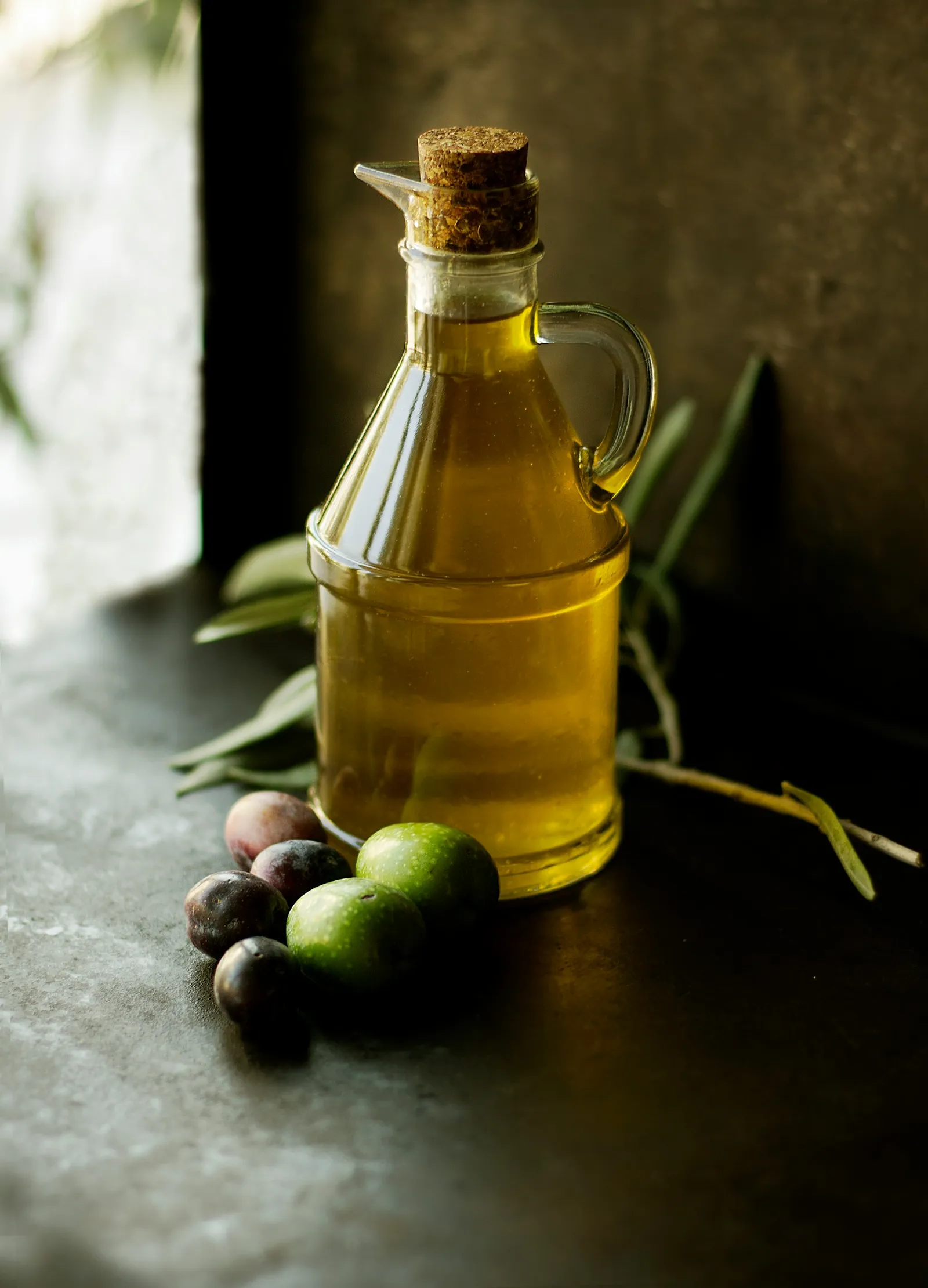
In Sicily the easiest way to be sure is to buy straight from a mill (frantoio) in the weeks after harvest, when you can see the olives arriving and taste the oil coming off the line. Near the villa, in the province of Trapani, that means the Nocellara country of Castelvetrano, Campobello di Mazara and Partanna. Away from Sicily, look for a harvest date, a named producer and a single origin, and taste the oil as soon as you open it.
We have five old Nocellara del Belice trees at the villa, which I am bringing back after years of neglect, and seeing oil made from olives you picked yourself is the quickest way to learn what fresh oil should taste like. The story of the trees and the harvest is in harvesting olive oil in Sicily.
Frequently asked questions
Does the fridge test show if olive oil is real?
No. The UC Davis Olive Center tested the idea that real extra virgin oil goes solid in the fridge and found it unreliable for both purity and quality. Whether an oil clouds or sets in the cold depends on its natural fats and the olive variety, not on whether it is genuine.
What should I look for on an olive oil label?
A harvest date or a best before date about 18 months away, a specific origin rather than a blend of EU and non-EU oils, a named producer or mill, the words extra virgin olive oil, and dark glass or a tin. A protected name such as DOP or IGP adds independent checks.
What does "blend of EU and non-EU olive oils" mean?
It means the bottle holds oils from more than one country, some inside the EU and some outside it. It is a legal, honest description, but it tells you the oil was blended from wherever suited the price and taste the packer wanted, rather than coming from one place.
Can real olive oil be cloudy?
Yes. Unfiltered oil is cloudy because it still holds tiny particles of olive and water, and fresh oil from the mill is often cloudy for weeks. Oil can also cloud in a cold kitchen and clear again when it warms. Cloudiness says nothing either way about whether the oil is genuine.
Why does my olive oil taste of crayons?
A smell or taste of crayons, putty or stale nuts means the oil has gone rancid: it has oxidised, usually through age, heat or light. It is not dangerous, but it is no longer extra virgin in quality, whatever the label says.
Is expensive olive oil always better?
No, but very cheap extra virgin oil is a warning sign. Price follows the cost of growing, picking and milling, and the brand. A modest price from a recent harvest with a clear origin can beat an expensive bottle that has sat on a bright shelf for a year.
Does a high price guarantee real extra virgin oil?
No. The price reflects the cost of growing, picking and milling, the packaging and the brand, not a laboratory or tasting result, and an expensive bottle can still be old, badly stored or wrongly graded. A recent harvest date, a clear origin and a named producer tell you more; a price far below what oil costs to produce is the real warning sign.
How can you prove olive oil is extra virgin?
Only with a laboratory analysis and a sensory test by a recognised tasting panel, which together make up the legal standard. At home you can only look for good signs on the label and taste for the common faults.
Sources and small print
- Food Safety Authority of Ireland: olive oil legislation (Commission Delegated Regulation (EU) 2022/2104)
- European Commission: olive oil marketing standards and conformity checks
- UC Davis Olive Center: refrigeration is not reliable in detecting olive oil adulteration
- UC Davis Olive Center: tests indicate that imported extra virgin olive oil often fails international and USDA standards (July 2010)
- International Olive Council: trade standard applying to olive oils and olive pomace oils (Rev. 22, 2026)
This guide is general information for shoppers. It names no brands and makes no claim that any particular product is or is not genuine.
Credits
Photo: Sophie Laurent, Unsplash Licence, via Unsplash.
Photo: Roberta Sorge, Unsplash Licence, via Unsplash.
 The weekly YouTube series