
What is Nocellara del Belice?
Nocellara del Belice is an olive cultivar named after the Belìce, the river that runs south through the province of Trapani to the sea near Selinunte. It has been grown in the valley for centuries, and the oil trade here goes back to the Greek city of Selinunte.
What makes it unusual is that it does two jobs well. Most olive varieties are grown either for oil or for eating. Nocellara is both: the fruit is large, almost round and firm, which makes a superb green table olive, and it gives a good, fruity oil. The International Olive Council lists it as a dual-purpose variety, with a long list of local names, among them Oliva di Castelvetrano, Nocellara di Castelvetrano and, close to home for me, Oliva di Mazara.
The name comes from nocella, a little nut, after the fruit's round shape. In Sicilian you will also hear nuciddara.
Where does Nocellara del Belice grow?
The heart of Nocellara country is the lower Belìce valley in the south of the province of Trapani: the towns of Castelvetrano, Campobello di Mazara and Partanna, with Santa Ninfa, Salaparuta and Poggioreale further up the valley. Drive between Castelvetrano and Campobello and the olive groves run almost unbroken to the sea. The variety is also planted elsewhere in western Sicily, and in smaller amounts in other countries.
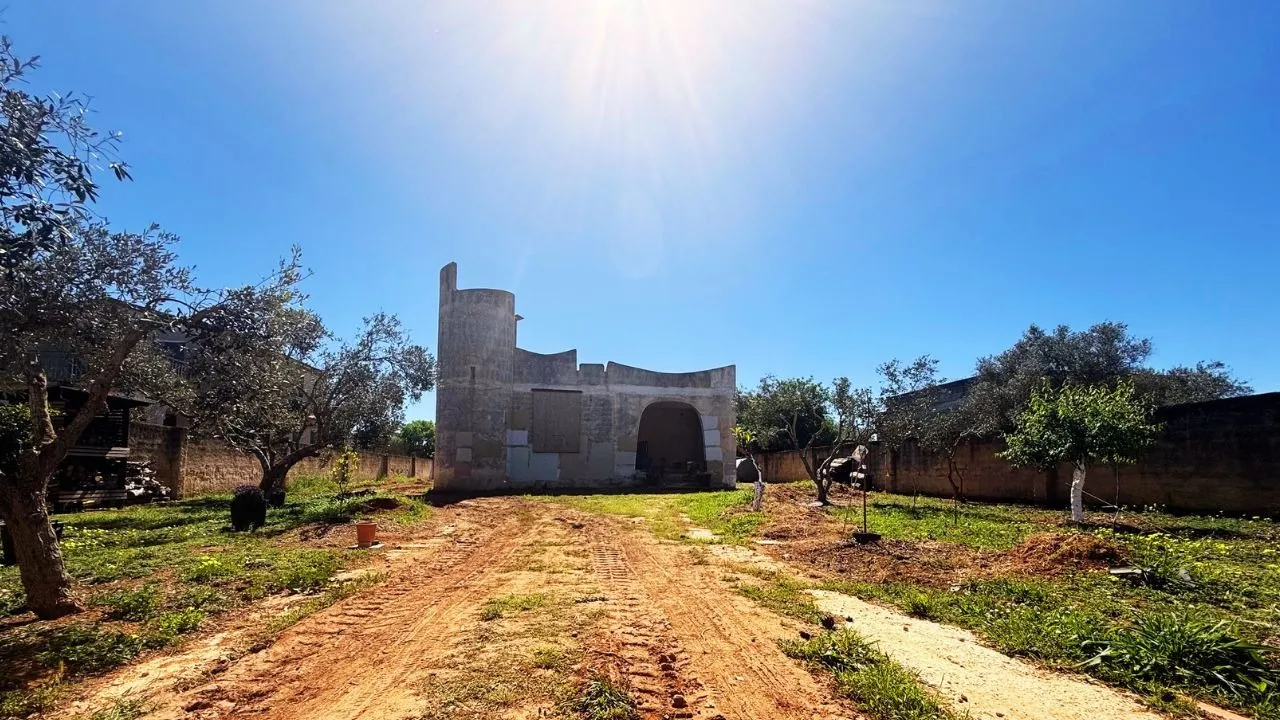
My own trees are a little to the west, near Mazara del Vallo. They came with the villa: five mature Nocellara del Belice trees, planted by my elderly neighbour when he was a small boy, and left without care for more than twenty years before I arrived. I tell that story in harvesting olive oil in Sicily.
Are Nocellara olives the same as Castelvetrano olives?
Yes, in most shops. Castelvetrano olives are Nocellara del Belice olives, named after the town at the centre of the growing area. Strictly, the Castelvetrano name describes a way of curing green olives, the sistema Castelvetrano, which the DOP rules list alongside the Sevillian method (lactic fermentation in brine) and natural curing. Castelvetrano-style olives are cured quickly in a solution of lye and salt and then rinsed, which keeps them bright green, crisp and mild, with very little of the bitterness olives usually need weeks of brining to lose.
In the United States "Castelvetrano olives" is the usual name on the jar; in British supermarkets you are more likely to see "Nocellara olives" or "Nocellara del Belice olives". Either way, you are buying the same variety. They are the large, vivid green olives with a buttery taste that people who say they do not like olives often end up eating by the bowlful.
What are the two Nocellara DOPs?
Nocellara del Belice is protected twice under EU rules, once as an olive and once as an oil. Both are DOP (Denominazione di Origine Protetta, protected designation of origin), which means the product must come from a defined area and follow a written specification.
| Nocellara del Belìce DOP | Valle del Belìce DOP | |
|---|---|---|
| Product | Table olives, green or black | Extra virgin olive oil |
| Registered | 1998 | 2004 |
| Area | Castelvetrano, Campobello di Mazara and Partanna | Milled in Castelvetrano, Campobello di Mazara, Partanna, Poggioreale, Salaparuta or Santa Ninfa |
| Variety | Nocellara del Belice | At least 70% Nocellara del Belice |
| Harvest | By hand, processed within 24 hours | October to December, milled within two days |
| Key limits | Cured by approved methods within the province of Trapani | Acidity no more than 0.5%, polyphenols at least 100 mg/kg, paste no warmer than 30°C |
Look for the red and yellow EU DOP logo on the label. Plenty of good Nocellara olives and oil are sold without it, because the producer is outside the area, is too small to join the certification scheme, or simply chooses not to. My own trees are a good example: they are Nocellara del Belice, but they grow near Mazara del Vallo, outside the DOP area, so any oil from them is Nocellara del Belice oil, never Valle del Belìce DOP.
What does Nocellara del Belice olive oil taste like?
The Valle del Belìce DOP specification describes the oil as fruity, from medium to intense, with a smell of fresh-cut grass, artichoke and tomato, and a bitterness and pepperiness that range from light to intense. In practice a lot depends on when the olives are picked. Olives picked early, while still green or just turning, give a greener, more bitter and peppery oil with more of the grass and artichoke. Olives left to ripen give a softer, rounder oil with more ripe tomato.
The International Olive Council's variety sheet adds some useful detail: Nocellara oil is high in oleic acid, around 73 to 75%, and the olives yield a medium amount of oil, around 18 to 19% of their weight. It also notes that the variety is naturally lower in total phenols than some others, which is one reason careful growers pick early and mill fast when they want a punchier oil. The Valle del Belìce DOP also sets a minimum of 100 mg/kg of polyphenols.
Fresh from the mill it is a vivid green, often slightly cloudy, and it softens over the following months: see new season olive oil for why. I describe what freshly pressed oil tastes like in harvesting olive oil in Sicily, and how the island's varieties compare in what makes Sicilian olive oil different.
What is a Nocellara olive tree like to grow?
Nocellara is a tree of medium vigour with a spreading habit, which suits the open, vase shape most Sicilian growers prune to. A few traits matter if you are growing it, and I have met most of them at the villa:
- It is considered self-sterile: it sets fruit poorly with its own pollen and relies on other olive varieties nearby. Olive pollen travels mostly on the wind, so in western Sicily, surrounded by groves of Biancolilla, Cerasuola and other varieties, this is rarely a problem. A single Nocellara in a garden far from other olives may struggle.
- It is late ripening and slow to come into full production, but once it does, it crops steadily.
- It is sensitive to drought. Mature trees survive a Sicilian summer, but the fruit suffers without water, which is why I have put drip irrigation into the garden.
- It is very susceptible to olive fruit fly, peacock spot (a fungal leaf spot) and olive knot, so growers keep a close eye on it through late summer and autumn.
- The fruit comes away from the branch fairly easily, which helps at harvest.
My trees had not been pruned for more than twenty years when I arrived. In February 2026 I cut the tallest from four or five metres down to about two and a half, and they answered with new growth by April and fruit by the summer. That is the subject of how to prune an olive tree.
When are Nocellara olives harvested?
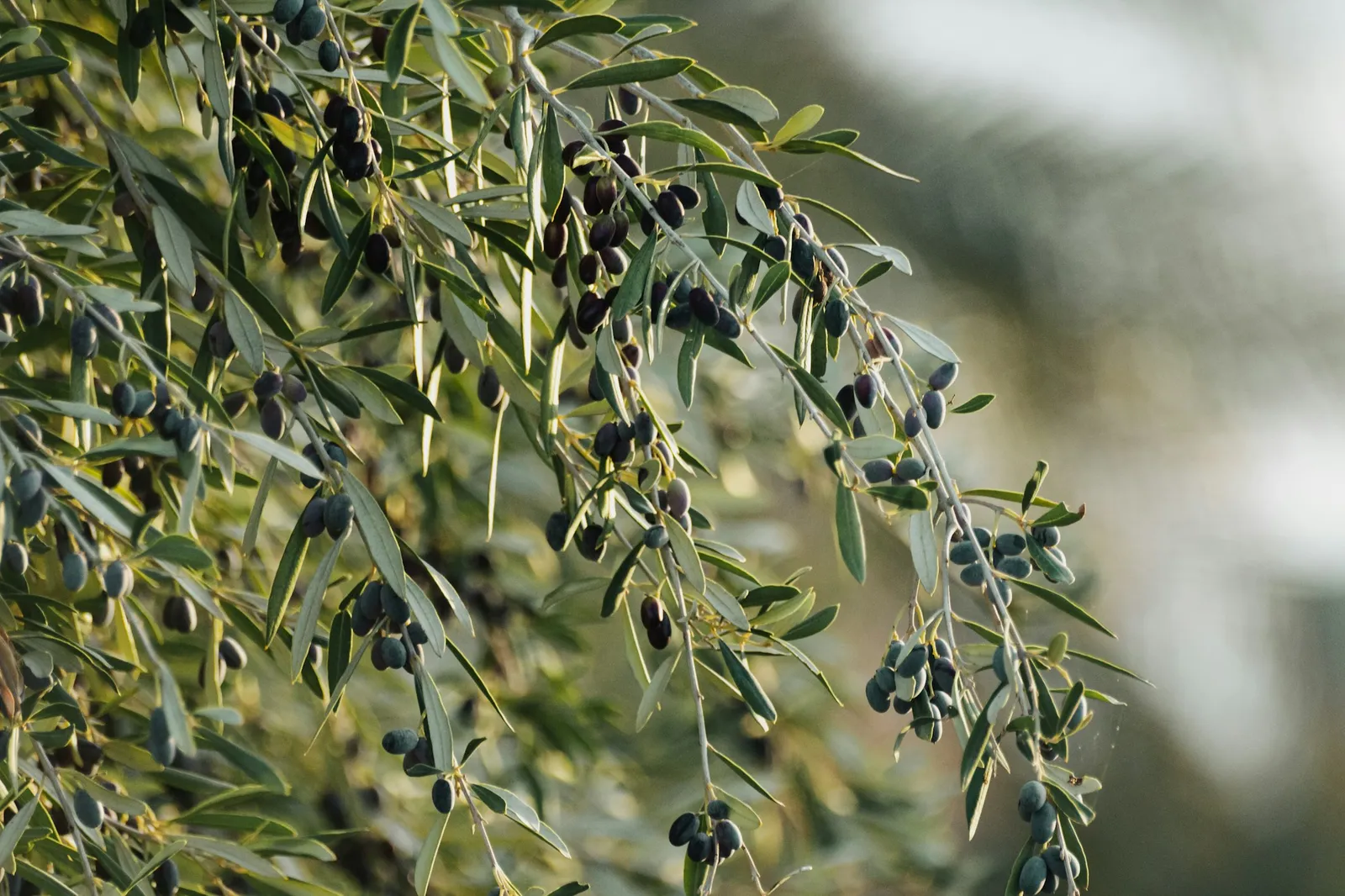
Nocellara is a late variety. Green table olives are picked first, while the fruit is still fully green and firm, usually from late September into October. Olives for oil are picked from October, and the Valle del Belìce DOP allows harvesting until the end of December. Black table olives come last, from fruit left on the tree to ripen fully.
Table olives under the DOP must be picked by hand, a job called brucatura, and processed within 24 hours. Olives for DOP oil can be picked by hand or with handheld shakers and combs, must not touch the ground, must not travel in sacks, and must be milled within two days. Those rules are a good description of how anyone should treat olives meant for good oil, whether or not they are making a DOP product.
How do you buy and serve Nocellara olives and oil?
For olives:
- Buy them in brine rather than oil if you want to taste the olive itself.
- The bright green Castelvetrano style is mild and crisp; Sevillian-style Nocellara has more of the traditional briny, slightly bitter taste.
- In Sicily they are served whole as an antipasto, crushed and dressed (olive schiacciate) with garlic, celery, chilli and oregano, or stoned into salads and caponata.
For oil:
- Check for a harvest date or a best before date about 18 months after bottling, and buy the most recent harvest you can find. My guide to telling if olive oil is real covers the label in detail.
- Choose dark glass or tins, and keep the oil away from heat and light; how long olive oil lasts explains why.
- Use a young, peppery Nocellara oil raw, on bread, grilled vegetables, beans, soups and fish, where you can taste it.
In the valley itself, many mills (frantoi) sell oil direct and some offer tastings in the harvest season. The Greek temples of Selinunte lie within the comune of Castelvetrano, a short drive from the groves, so it is easy to combine olives with temples in one day.
Frequently asked questions
What is Nocellara del Belice?
Nocellara del Belice is an olive variety from the Belìce valley in the province of Trapani, western Sicily. It is dual purpose, grown both for large, round, green table olives and for a fruity extra virgin olive oil with notes of fresh grass, artichoke and tomato. It has two EU protected designations: one for table olives and one, Valle del Belìce, for oil.
Are Castelvetrano olives the same as Nocellara olives?
Yes. Castelvetrano olives are Nocellara del Belice olives, named after Castelvetrano, the town at the centre of the growing area. Strictly the name refers to a quick curing method in lye and salt that keeps the olives bright green, crisp and mild, but in most shops the two names mean the same olive.
Why are Castelvetrano olives so green?
Because of how they are cured. In the Castelvetrano method the green olives are treated in a solution of lye and salt and then rinsed, rather than fermented in brine for weeks. The quick cure removes the bitterness while keeping the bright green colour, the crisp texture and the mild, buttery taste.
What does Nocellara olive oil taste like?
Fruity, with aromas of fresh-cut grass, artichoke and tomato, and a bitterness and pepperiness that range from light to intense depending on when the olives were picked. Early-harvest Nocellara oil is greener and more peppery; oil from riper olives is softer, with more ripe tomato.
Where is Nocellara del Belice grown?
Mainly in the lower Belìce valley in the province of Trapani, around Castelvetrano, Campobello di Mazara and Partanna, with Santa Ninfa, Salaparuta and Poggioreale further up the valley. It is also planted elsewhere in western Sicily and, in smaller amounts, in other olive-growing countries.
Is Nocellara del Belice DOP?
It can be. Table olives from Castelvetrano, Campobello di Mazara and Partanna made to the rules can be sold as Nocellara del Belìce DOP, registered in 1998. Extra virgin oil with at least 70% Nocellara, milled in the valley to the rules, can be sold as Valle del Belìce DOP, registered in 2004. Nocellara grown elsewhere is not DOP.
When is the Nocellara olive harvest?
Green table olives are picked first, usually from late September into October. Olives for oil are picked from October, and the Valle del Belìce DOP allows harvesting until the end of December. Black table olives come last, from fruit left on the tree to ripen fully.
Can I grow a Nocellara olive tree in the UK?
You can grow one as a garden or container tree, as with other olives, in a sunny, sheltered spot with good drainage and protection from hard frost. Do not expect a crop: olives rarely fruit well in the UK, and Nocellara is considered self-sterile, so a lone tree sets little fruit without other olive varieties nearby.
Is Nocellara olive oil good for cooking?
Yes, but it is at its best raw, where you can taste it: on bread, salads, grilled vegetables, beans, soups and fish. A good extra virgin olive oil is fine for everyday cooking, but heat dulls the fresh grass and artichoke notes that make a young Nocellara oil worth buying.
Sources and small print
- International Olive Council: World Catalogue of Olive Varieties, Nocellara del Belìce
- Camera di Commercio di Trapani, archived guide to the province's quality products: Nocellara del Belìce DOP (table olives) and Valle del Belìce DOP (extra virgin olive oil)
- European Commission: eAmbrosia register of geographical indications
- Wikipedia: Nocellara del Belice
Figures for oil yield, oleic acid and phenols are the International Olive Council's averages for the variety; every harvest and grove differs.
Credits
Photo: Operation Sicily®, all rights reserved, via operationsicily.com.
Photo: Mohamed Fsili, Unsplash Licence, via Unsplash.
 The weekly YouTube series