
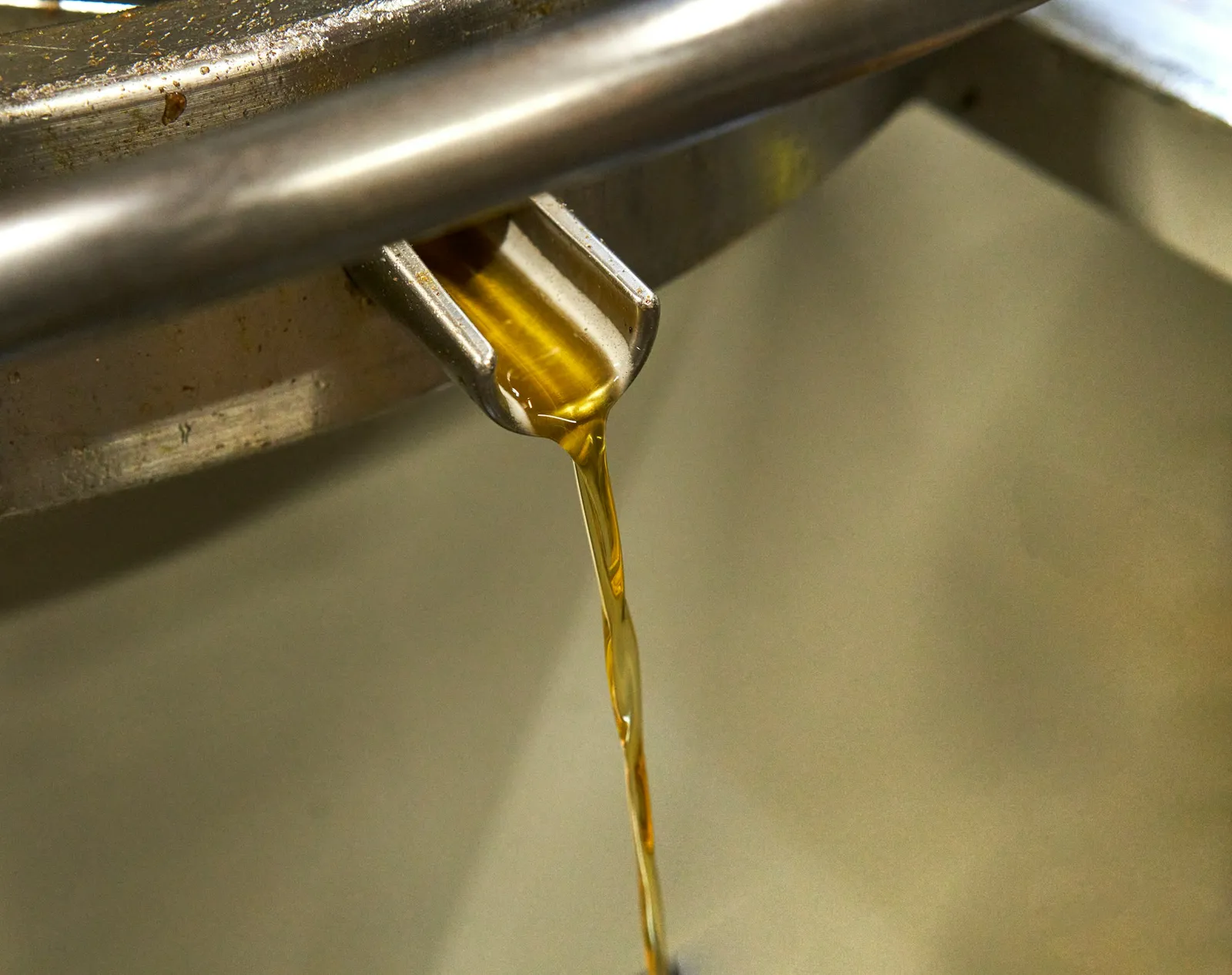
How long does olive oil last unopened?
A sealed bottle of good extra virgin olive oil, kept in a cool, dark cupboard, stays at its best for roughly 18 months to two years after it was bottled. Most packers set the best before date in that range. Two things are worth knowing about that date:
- It runs from bottling, not harvest. Oil can be stored in tanks for months before it is bottled, so the oil may be older than the date suggests. A harvest date, where there is one, tells you more.
- It assumes good storage. A bottle that has sat in a warm shop window will be past its best long before the date.
Lower grades last a little differently. Refined olive oil and pomace oil have had most of the natural compounds removed, so they taste of less to begin with and change less, but they still oxidise over time.
How long does olive oil last after opening?
Once a bottle is open, air gets in every time you pour, and oxidation speeds up. For the best taste, use an opened bottle of extra virgin oil within about one to three months, and sooner in a hot kitchen. It will usually still be usable after that, but the fresh, fruity and peppery notes fade and stale notes creep in.
That is why it pays to buy a size you will finish. For most households a 500 ml or 750 ml bottle is better than a 5 litre tin, unless you decant the tin into smaller bottles as you go and keep the rest sealed and dark.
| Olive oil | Best quality | Notes |
|---|---|---|
| Extra virgin, unopened, cool and dark | About 18 to 24 months from bottling | Check the harvest or best before date |
| Extra virgin, opened | About 1 to 3 months | Shorter in heat or in a clear bottle |
| New season, unfiltered | At its peak for 3 to 4 months | Keeps less well than filtered oil |
| Refined olive oil or pomace oil | Up to the best before date | Less flavour to lose, but still oxidises |
| Oil infused with garlic or herbs at home | Keep in the fridge and use within a few days | Fresh garlic or herbs in oil carry a botulism risk |
Does olive oil go bad?
Yes, but not in the way most foods do. Pure olive oil contains almost no water, so bacteria and moulds cannot grow in it. What happens instead is oxidation: oxygen slowly reacts with the fats, helped along by light and heat, and the oil goes rancid. Rancid oil is unpleasant rather than dangerous in the amounts anyone would eat, but it is not something you want on your food, and it has lost the qualities you paid for.
The one real safety exception is homemade flavoured oil. Fresh garlic, herbs or chilli kept in oil at room temperature can allow Clostridium botulinum, the bacterium behind botulism, to grow, because the oil seals out air. Keep homemade infused oils in the fridge and use them within a few days, or use dried flavourings.
How to tell if olive oil has gone off
Smell and taste are the only reliable checks. Pour a little into a glass, warm it in your hand, and sniff.
- Rancid: the giveaway is a smell of wax crayons, putty, old walnuts or stale cooking oil, and a greasy, flat taste. This is the most common fault.
- Fusty, musty or winey: a sweaty, mouldy or vinegary smell usually comes from poor olives or poor milling rather than age, but it is still a fault.
- Nothing at all: oil that has lost all its fruit, bitterness and pepper is past its best, even if it is not yet rancid.
Colour is not a reliable guide, and nor is cloudiness. Good fresh oil smells of olives and something green, fruity or herby. How to tell if olive oil is real has a fuller tasting guide.
What is the best way to store olive oil?
Olive oil has three enemies: light, heat and air. Every storage rule comes back to those.
- Light: buy oil in dark glass or tins and keep it in a cupboard. Clear bottles on a sunny worktop are the fastest way to ruin good oil.
- Heat: keep it away from the hob, oven, dishwasher and radiators. Around 14 to 18°C is ideal; normal room temperature is fine; a hot cupboard above the cooker is not.
- Air: close the cap tightly after use, and decant big tins into smaller bottles so the main supply stays sealed. Avoid open pourers left in the bottle all day.
Stainless steel or dark glass are the best containers. Avoid plastic for long storage and never keep oil in reactive metals such as copper or iron.
How to store olive oil in a hot climate
Inland western Sicily can reach 40°C in July and August, and a kitchen without air conditioning can sit above 30°C for weeks. What works in that kind of heat:
- Keep the main stock in the coolest place in the house, usually a thick-walled ground floor room or a cellar that never gets direct sun.
- Keep only a small bottle in the kitchen and refill it every week or two.
- Buy or bottle oil in tins or dark glass, never clear glass.
- In a heatwave, it does no harm to put a sealed bottle in the fridge. It will cloud and may thicken, and it clears again at room temperature.
Traditional Sicilian houses kept oil in big glazed terracotta jars (giare) in the coolest room, often half underground, for the same reason.
Should you keep olive oil in the fridge, or freeze it?
You do not need to, and for oil in daily use it is a nuisance: it turns cloudy and thick and is hard to pour. Condensation can also form each time the bottle comes out. For a sealed bottle you will not open for a while, or in a very hot kitchen, the fridge does slow oxidation, and the cloudiness is harmless and reverses at room temperature.
Freezing is also harmless, and some people freeze oil in ice cube trays for cooking. It does not improve the oil, and it is not worth doing for oil you will use within a few months. Neither the fridge nor the freezer tells you anything about whether oil is genuine; I explain why the "fridge test" fails in how to tell if olive oil is real.
Does olive oil expire? Using it past its best before date
A best before date is about quality, not safety. Oil a little past its date that has been stored well, and still smells and tastes clean, is fine to use, particularly for cooking. If it smells rancid, it will make your food taste rancid, so it is better used for something else: some people use old oil for oiling wooden boards and tools or for squeaky hinges. If you do throw it away, never pour it down the sink; take it to a cooking oil recycling point or put small amounts in the general waste.
Buying oil you will finish while it is fresh
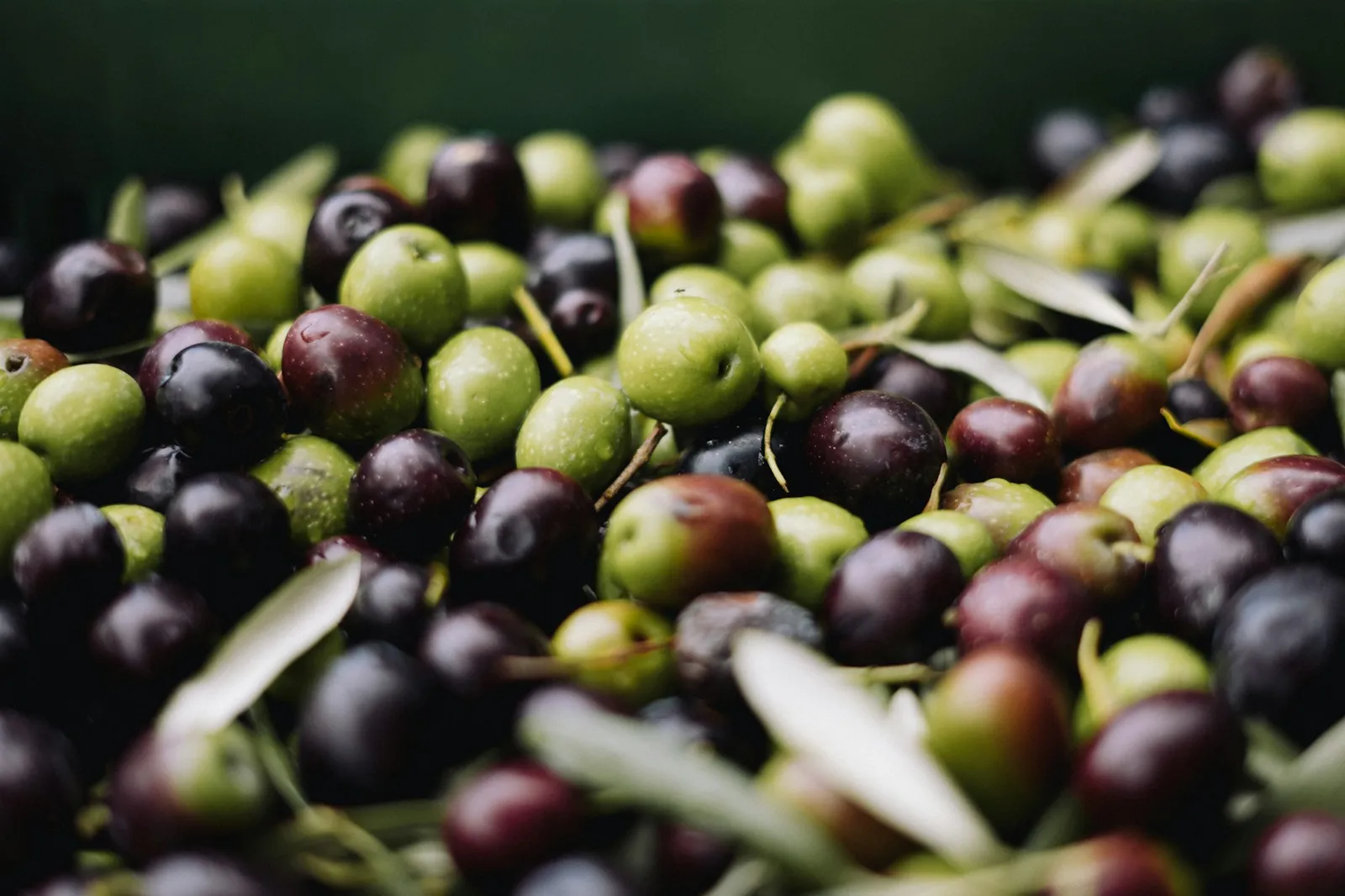
The simplest way to never have stale oil is to buy fresh oil in sensible amounts: the most recent harvest, a bottle size you will finish in a month or two, and a harvest date where you can find one. New season olive oil explains when the fresh oil arrives, and supermarket vs single-estate oil why some oils reach you much older than others.
If you buy straight from a producer or a mill, ask which harvest the oil is from. A good producer will always know, and in Sicily the answer in the months after November should be the latest one. For the variety grown around us, see Nocellara del Belice olives.
Frequently asked questions
How long does olive oil last once opened?
For the best flavour, use an opened bottle of extra virgin olive oil within about one to three months, sooner in a hot kitchen. It usually stays usable for longer, but the fresh, fruity and peppery notes fade as air gets in.
How long does unopened olive oil last?
About 18 months to two years from bottling, if kept cool and dark. Most best before dates are set in that range. The oil may be older than that suggests, because it can be stored before bottling, so a harvest date is a better guide.
Can olive oil go bad?
It can go rancid. Olive oil holds almost no water, so it does not grow mould or bacteria, but oxygen, light and heat slowly oxidise it. Rancid oil smells of crayons, putty or stale nuts and spoils the taste of food, though it is not dangerous in normal amounts.
How can you tell if olive oil is rancid?
Smell it. Rancid olive oil smells of wax crayons, putty, old walnuts or stale cooking oil and tastes greasy and flat. Good oil smells of olives and of something fresh, such as grass, green leaves, apple, tomato or herbs.
Should olive oil be kept in the fridge?
It does not need to be. A cool, dark cupboard at around 14 to 18°C is ideal. The fridge slows oxidation, which can help in a very hot kitchen, but the oil clouds and thickens and is awkward to use. That cloudiness is harmless and clears at room temperature.
Does olive oil freeze?
Yes, olive oil solidifies at freezer temperatures, and freezing does it no harm. It does not improve the oil either, and it is not necessary for oil you will use within a few months.
Does olive oil expire?
Not in the way milk does. Olive oil carries a best before date, which is about quality, not a use by date about safety. If it has been stored cool and dark and still smells and tastes clean, it is fine to use after that date. Over time it loses its fruit and pepper and eventually turns rancid, which you can smell.
Is homemade garlic oil safe to keep?
Only briefly. Fresh garlic, herbs or chilli in oil at room temperature can allow the bacterium that causes botulism to grow. Keep homemade infused oil in the fridge and use it within a few days, or make it with dried ingredients.
Sources and small print
- International Olive Council: best practice guidelines for the storage of olive oils
- UC Davis Olive Center: consumer guidance on olive oil storage and freshness
- GOV.UK: understanding food labelling, including best before and use by dates
- NHS: botulism
Times are general guidance for good oil stored well. Every oil is different, and your nose is the final test.
Credits
Photo: Xavier von Erlach, Unsplash Licence, via Unsplash.
Photo: Melina Kiefer, Unsplash Licence, via Unsplash.
 The weekly YouTube series