
What is unfiltered olive oil?
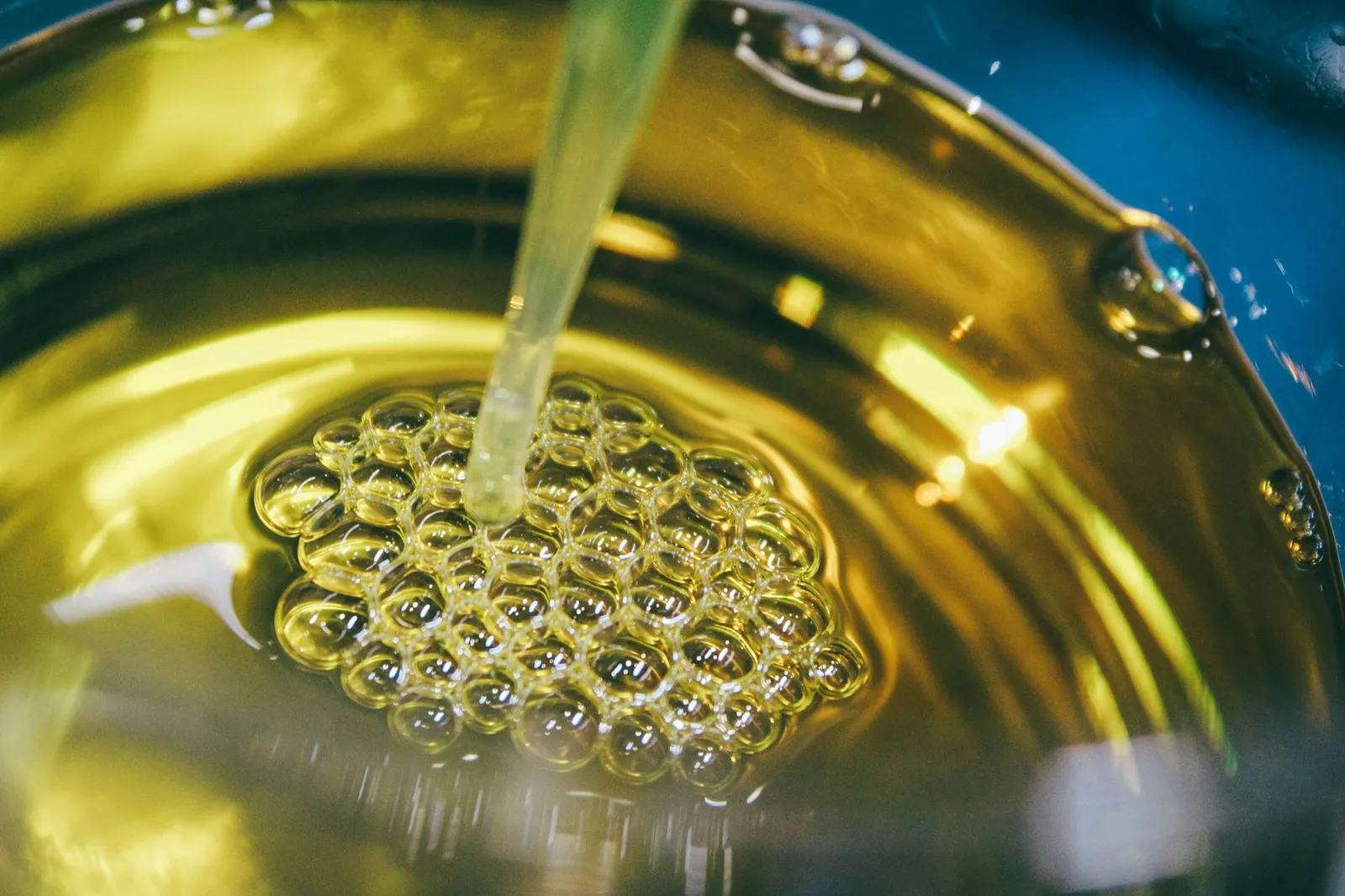
At the mill, the olive paste goes through a centrifuge that spins the oil away from the water and solids. The oil that comes out is not perfectly clean: it carries a fine suspension of olive flesh, skin and stone fragments, and microscopic drops of vegetation water. That is what makes it cloudy and gives it a deep, opaque green or gold colour. Bottle it as it is and you have unfiltered olive oil, sometimes called veiled oil, or in Italy olio non filtrato or velato.
Filtering is allowed in every virgin grade. The International Olive Council defines virgin olive oils as obtained solely by mechanical or physical means and treated only by washing, decantation, centrifugation and filtration. So filtering does not make an oil less natural, and leaving it unfiltered does not make it more authentic. The grade is set by the analysis and the tasting panel, as explained in extra virgin vs olive oil. A filtered oil and an unfiltered oil from the same olives can both be extra virgin.
What is the difference between filtered and unfiltered olive oil?
The UC Davis Olive Center reviewed the research on filtration in 2015 and its headline was that there is no simple answer: filtration has good, bad and neutral effects depending on the oil, the olive variety, the filter used and how the oil is stored. The broad, practical differences are these.
| Unfiltered olive oil | Filtered olive oil | |
|---|---|---|
| Appearance | Cloudy, opaque | Clear, bright |
| Colour | Usually greener | Slightly lighter, less green |
| Sediment | Settles to the bottom in weeks | None, or very little |
| Water content | Higher | Lower |
| Flavour when fresh | Often fuller and more intense | Can be marginally softer, depending on the filter |
| Keeping quality | Shorter: best used within a few months | Longer, if stored cool and dark |
| Typical examples | Olio nuovo, small producers, oil from your own olives | Most bottled oil in shops |
The key point is the water and the solids. They carry enzymes and can host microbes, and over time they encourage the oil to break down and ferment. Removing them makes the oil more stable. On the other side, some of the natural compounds that give fresh oil its bitterness and pepper sit close to those water droplets, so filtration can take a little of them away.
How is olive oil filtered?
There are two ways to clear oil: let gravity do it, or push it through a filter.
- Settling (decanting or racking). The traditional method. Oil is left in tanks or jars for weeks, the solids and water sink, and the clear oil is drawn off the top, sometimes several times. It is cheap, but slow, and each transfer exposes the oil to air.
- Filter presses. Oil is pumped through layers of cotton or paper, sometimes with a drying agent, to remove water and fine particles.
- Filter aids. Cellulose fibres or very pure diatomaceous earth are used for a rough first filtration of oil with a lot of solids.
- Membrane, bag and inert gas systems. Newer equipment filters large volumes gently, and some systems use nitrogen or argon so the oil meets as little oxygen as possible.
The IOC's storage guidelines recommend filtration to remove suspended water and micro-particles before bottling or long storage, noting that it works faster and better than repeated decanting, and that contact with air during filtering should be kept to a minimum. Its guidance also says oil should be packed only after at least a rough filtration or a natural decantation. The full journey from olive to oil is in how olive oil is made.
Is cloudy olive oil bad?
No. Cloudiness on its own is not a sign that olive oil has gone off, and the UC Davis researchers list "cloudy oil or sediment means the oil has gone bad" among the common myths. There are two quite different reasons oil can be cloudy:
- It is unfiltered. The haze is olive particles and water. It stays until they settle, which takes weeks.
- It is cold. In a cold room, and certainly in the fridge, the natural waxes and the more solid fats in any olive oil, filtered or not, start to crystallise into a haze, white flecks or a thick layer. Bring the bottle back to room temperature and it clears. This does no harm.
What tells you whether oil is good is your nose. Rancid oil smells of crayons, putty or stale nuts; fermented oil smells musty, muddy, vinegary or winey. If cloudy oil smells fresh, green and fruity, it is fine. How to tell if olive oil is real explains why neither cloudiness nor the fridge test says anything about whether oil is genuine.
What is the sediment at the bottom of my olive oil?
In unfiltered oil, the layer at the bottom is the olive particles and water that were floating in it, slowly sinking. Within a few weeks of milling a bottle can have a visible layer of soft, greenish or brownish deposit, with clearer oil above. It is not dirt and it is not harmful.
It does matter if it is left too long. The sediment is wet and full of olive material, and over months it can ferment without air. Professional tasters have a name for the fault this causes. The IOC tasting method describes fusty/muddy sediment as the flavour of oil left in contact with the sediment in tanks and vats that has undergone anaerobic fermentation. In other words, the sludge can eventually taint the clear oil above it, which is why mills and careful households get the oil off it.
A different deposit is the white, waxy one you may see in filtered oil after cold weather. That is natural waxes and solid fats, and it melts back in when the oil warms up.
How long does unfiltered olive oil last?
Less long than filtered oil. UC Davis notes that excessive moisture and sediment can give an oil a relatively short shelf life of just a few months. As a working rule:
- Unfiltered oil, left on its sediment: best used within about three to four months of milling, which is also when its fresh, peppery character is at its peak.
- Unfiltered oil, racked off its sediment: keeps noticeably better, and can stay good for many months if stored cool and dark in a full, sealed container.
- Filtered oil: typically 18 months to two years from bottling if unopened and well stored, much less once opened.
The research is not one-sided. In some storage trials filtered and unfiltered oils of the same variety turned rancid at around the same time, and in several studies the filtered oils lost their natural phenolic compounds faster. Storage counts for more than filtering: heat, light and air spoil both. How long does olive oil last? covers storage in detail, including in a hot climate like ours, where summer reaches 40°C.
How to decant unfiltered olive oil off its sediment
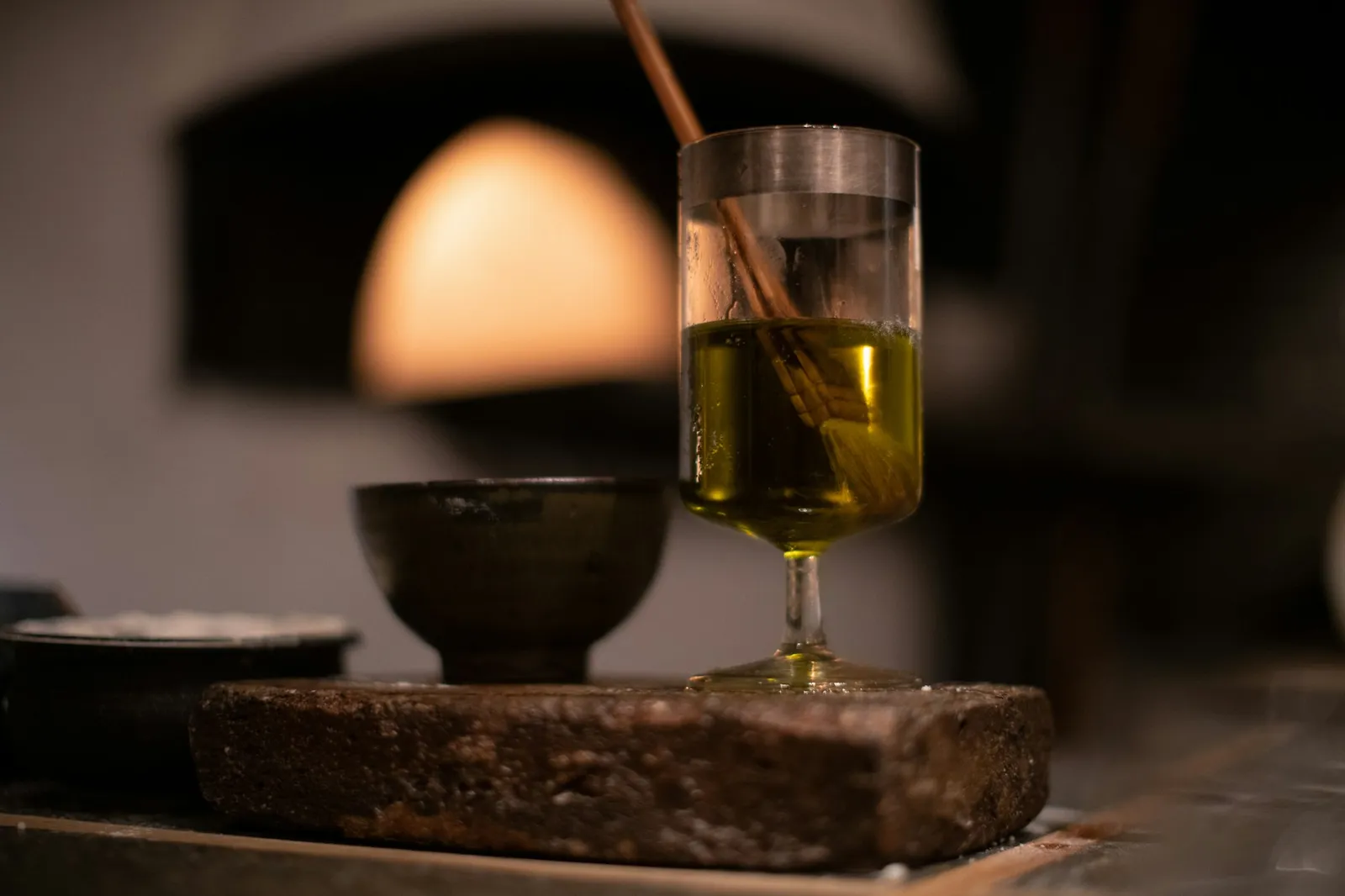
If you buy oil straight from a mill or a producer in a large container, settling it yourself is easy. In Italy this pouring off is called travaso, and it is a routine job in households that keep a year's supply of oil.
- Let it rest. Keep the container still, in the coolest dark place you have, for two to four weeks after milling. Do not move or shake it.
- Prepare clean, completely dry containers. Dark glass bottles or stainless steel. Any water left inside will undo the work.
- Pour or siphon gently. Tip the oil slowly into a funnel, or siphon it with a clean food-grade tube, stopping when the cloudy layer reaches the neck. Leave the last few centimetres behind.
- Fill containers to the top and seal them. Less air space means slower oxidation.
- Use the cloudy remainder soon. It is perfectly good to eat, so use it in the kitchen over the next few days rather than keeping it.
- Repeat if needed. If a second, thinner layer forms after another month, decant again.
Filtering through a coffee filter or a cloth at home is possible but slow, and the oil sits exposed to air the whole time, so careful decanting is usually the better choice.
Is unfiltered olive oil better?
It depends on when you will eat it. Fresh unfiltered oil, in the first weeks after milling, is often the most vivid oil you will ever taste: green, grassy, bitter and peppery. Many people buy it for exactly that. But for oil that has to sit on a shop shelf or in your cupboard for a year, filtered oil is the safer choice, because it is far less likely to develop a muddy, fermented taste.
The studies on flavour are mixed. Some found that filtering reduced fruitiness, bitterness and pungency; others found no change, or even a slightly fresher profile because filtering removed the material that causes off-flavours. Filtering also costs producers money in equipment, labour and time, so it is not a corner-cutting step. What matters most is the quality of the olives, how fast they were milled, and how fresh the oil is when you open it. For a sense of what to look for, see supermarket vs single-estate olive oil.
Unfiltered oil, olio nuovo and the harvest here
The best known unfiltered oil is olio nuovo, new season oil, sold within days or weeks of milling from late October. It is meant to be drunk young, cloudy and fierce; new season olive oil explains why it is so green and peppery.
Around Mazara del Vallo, people with a few trees take their olives to a local mill and take their own oil home. Early on I visited a local mill and came away with 10 litres of its Nocellara extra virgin, a perfectly ordinary amount to buy in Sicily, and with quantities like that knowing how to store and settle oil is part of the job. If you have oil made from your own olives, ask the mill whether it has been filtered; if not, the settling is up to you. The whole harvest day is in harvesting olive oil in Sicily, and the variety in Nocellara del Belice olives.
Frequently asked questions
Is unfiltered olive oil safe to eat?
Yes. The cloudiness is tiny particles of olive and droplets of water from the fruit. It is the same oil, just not cleared. The only risk is to quality: left on its sediment for many months, unfiltered oil can ferment and taste musty or muddy.
Why is there sediment in my olive oil?
In unfiltered oil, the particles and water that made it cloudy are sinking to the bottom, which takes a few weeks. In filtered oil, a white or waxy deposit after cold weather is natural waxes and solid fats that crystallised, and they melt back in when the oil warms.
Should you shake unfiltered olive oil?
No. Shaking mixes the sediment back into the oil. Let the bottle stand and pour gently from the top, and when you reach the cloudy layer, use that last part soon in cooking.
How long does unfiltered olive oil keep?
Best within about three to four months of milling if it is left on its sediment. Poured off the sediment into a clean, full, sealed container and stored cool and dark, it keeps much longer. Filtered oil usually lasts 18 months to two years unopened.
Is unfiltered olive oil extra virgin?
It can be. Filtering is allowed in every virgin grade and has no bearing on it. Whether any oil, filtered or not, is extra virgin depends on a laboratory analysis and a tasting panel.
Does filtering olive oil remove flavour?
Sometimes a little. Some studies found filtered oil slightly less fruity, bitter and peppery, others found no difference. Filtering also removes the material that can later cause musty or fermented flavours, so over a year a filtered oil may taste better than an unfiltered one.
Can you filter olive oil at home?
You can pour it through a coffee filter or fine cloth, but it is very slow and exposes the oil to air throughout. Letting the oil settle for a few weeks and decanting the clear oil off the top is usually better.
Why does olive oil go cloudy in the fridge?
Because natural waxes and the more solid fats in olive oil crystallise in the cold. It happens to filtered and unfiltered oil alike and does no harm. Leave the bottle at room temperature and it clears again.
Sources and small print
- UC Davis Olive Center: Filter or Not? A review of the influence of filtration on extra virgin olive oil (2015)
- UC Davis, UC Food Quality: olive oil myths and facts
- International Olive Council: best practice guidelines for the storage of olive oils
- International Olive Council: method for the organoleptic assessment of virgin olive oil
- International Olive Council: designations and definitions of olive oils
Keeping times are general guidance; every oil is different, and its smell is the final test.
Credits
Photo: Fulvio Ciccolo, Unsplash Licence, via Unsplash.
Photo: Bret Lama, Unsplash Licence, via Unsplash.
 The weekly YouTube series