
In this episode
- A circular tower floor with every tile scribed and cut individually
- Hallway, bathroom doorway and bathroom floor tiled
- Nocellara olive trees loaded, and a fig tree full of fruit
- Shells from an ancient seabed chiselled into the stone lounge wall
- Swarm traps packed away for the season
Tiling the circular tower room
This week I am tiling a circular tower room. My first mission is to get all the tiling finished in the hallway, the bathroom and the tower. The tower is the room I am most looking forward to seeing tiled. It is fully plastered, the new doors from episode 88 are letting in plenty of natural light, and once it is tiled it should look really special.
I zip through it as quickly as I can, so as not to bore you with tile after tile, and make myself look like an absolute pro. Do not be fooled, though. Tiling a circular room is not for the faint hearted, because every single tile has to be scribed and cut individually by hand. I scribed my first tile to a curved wall in episode 87, and this room is that same job, all the way round.
- Dry fit a tile against the curved wall, using timber battens as spacers.
- Scribe the curve onto the tile with a pencil, checking with the tape.
- On the porch, cut along the line with the angle grinder over a tub, then smooth the edge.
- Test the cut tile against the wall and check it with the levelling wedges.
- Vacuum the floor, trowel on the adhesive with a notched trowel and back butter the tile.
- Set it, tap it down with a rubber mallet and fit the levelling clips and wedges.
The hallway and bathroom floors
After a quick tidy of the front garden, clearing an old chair frame and packaging into a bulk bag, it is into the hallway and the bathroom doorway. I spread the adhesive across the threshold and down the hallway and lay the tiles with clips, using a small ladder as a bridge so I can step over the fresh tiles without disturbing them. Then the bathroom floor goes down. The door frames were already undercut in episode 87, so the tiles run underneath them for a seamless finish.
The olives and the figs
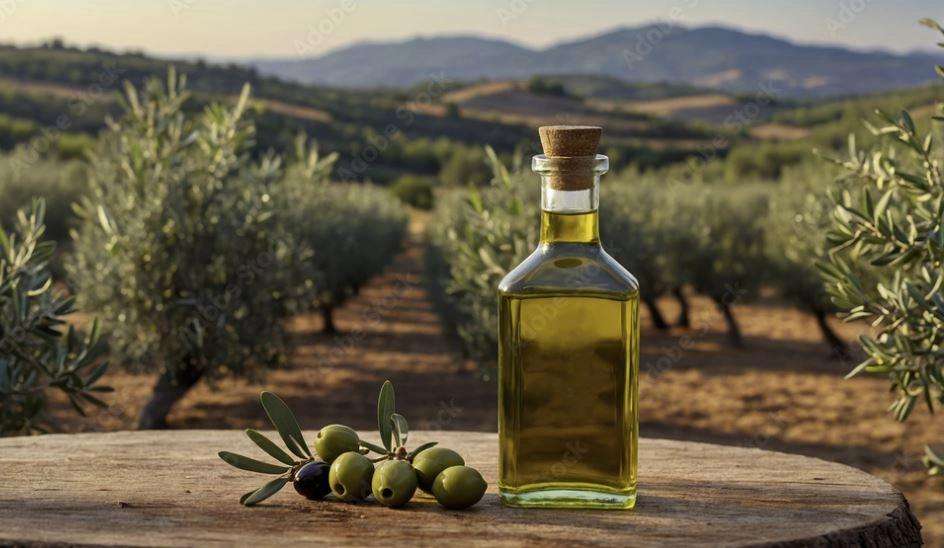
It will not be long until harvest time, and I am blown away by how well the trees have done this year. These are Nocellara olives, a prized Sicilian variety that produces an intensely flavoured, fruity green oil with a slightly spicy finish. Back in episode 83, the fruit had only just set after the heavy prune, and now the trees are loaded.
The fig tree is another one that has done surprisingly well. It is absolutely loaded with big, juicy figs, so I pick one, split it open and eat it. My article on harvesting olive oil from tree to bottle follows the harvest, and what makes Sicilian olive oil different explains the variety.
Shells from an ancient seabed
While the underground rainwater tank was being excavated, I kept finding beautiful shells embedded in the solid limestone. There were so many of them that I decided to keep them all. We first found them at the bottom of the hole in episode 77. From the research I have done online, I believe there was an ancient seabed in this area, which is why the shells were buried deep in the stone beneath the villa. I think that is a genuinely fascinating part of the history of this place. My article on Sicily's past goes further back still.
My plan is to clean the shells up and embed them individually into the exposed stone wall in the lounge. That wall is the exact same ancient limestone the shells were found in, so it feels like a really fitting place to use them as a feature. Sitting on the porch bench, I chip the rock away from each shell with a flathead screwdriver and a small chisel, and brush them clean.
Setting the shells into the lounge wall
I am placing them in different areas across the wall rather than all in one spot, and I will not use all of them, just the best ones. I think it will be a really unique and characterful detail. The wall was scraped back and its cracks stitched in episode 71.
- Cover the new floor tiles with cardboard.
- Carve out a recess in the stone for each shell with a hammer, chisel and drill.
- Mix a mortar of white sand and lime.
- Set each shell into its recess.
- Point around it and sponge it clean.
- Lift the cardboard and sweep up the dust.
Once the mortar has dried, the shells should blend in nicely. Next week, I will give the whole wall a coat of sealant and colour enhancer. That should deepen the natural colours in the stone, bring out all the different tones and textures and, most importantly, seal the surface so it stops shedding dust.
Feeding and flea treating the cats
On the porch steps, I feed the stray cats, including the kitten I rescued in episode 85, and give them their flea treatment. My article on what it is really like living in rural Sicily covers everyday life out here.
Clearing the garden and the swarm traps
With the kids coming to visit, I clear the garden, moving the leftover steel mesh sheets from the concrete pour and stacking them against the boundary wall. Then the swarm traps on the perimeter wall come down. I did not catch any swarms in these traps this year, and the swarm season is now over, so I take them all down, clean them out, check them over and put them into storage, ready to set up again next spring.
A surprise for the boys
My boys are coming to visit the villa in a few days, so I have got them a little treat to make the trip extra special. On the concrete slab of the rear terrace, poured in episode 82, I sweep the surface, grind off the protruding wire ties, mark out the position with spray paint and lay interlocking foam mats as a base. Then I assemble a large oval above ground frame pool and its liner, and a water tanker fills it up. The last shots are of them swimming in it.
Frequently asked questions
How do you tile a circular room?
In my round tower, every single tile had to be scribed to the curved wall in pencil and cut individually by hand with an angle grinder before it was laid.
Why are there fossil shells in Sicilian limestone?
From my research, I believe there was an ancient seabed in this area, which is why the shells were buried deep in the limestone beneath my villa.
How do you set shells into a stone wall?
I carved a recess for each shell with a hammer, chisel and drill, then set them in a mortar of white sand and lime and pointed around them.
What do Nocellara olives taste like?
Nocellara is a prized Sicilian variety. It produces an intensely flavoured, fruity green oil with a slightly spicy finish, which is what my trees are growing.
More episodes on the same job: Tiling the floors
 The weekly YouTube series