
In this episode
- Working sockets, switches and temporary lighting throughout the villa
- Modular sockets with USB-A, USB-C, two pin and round two pin outlets
- A two part roof waterproofing system: a fibre membrane and a reflective top coat
- A hive expanding outwards from the five original frames
- Terrace levels set with a laser and timber battens, and an 8m straight edge
Marking out the underground tank
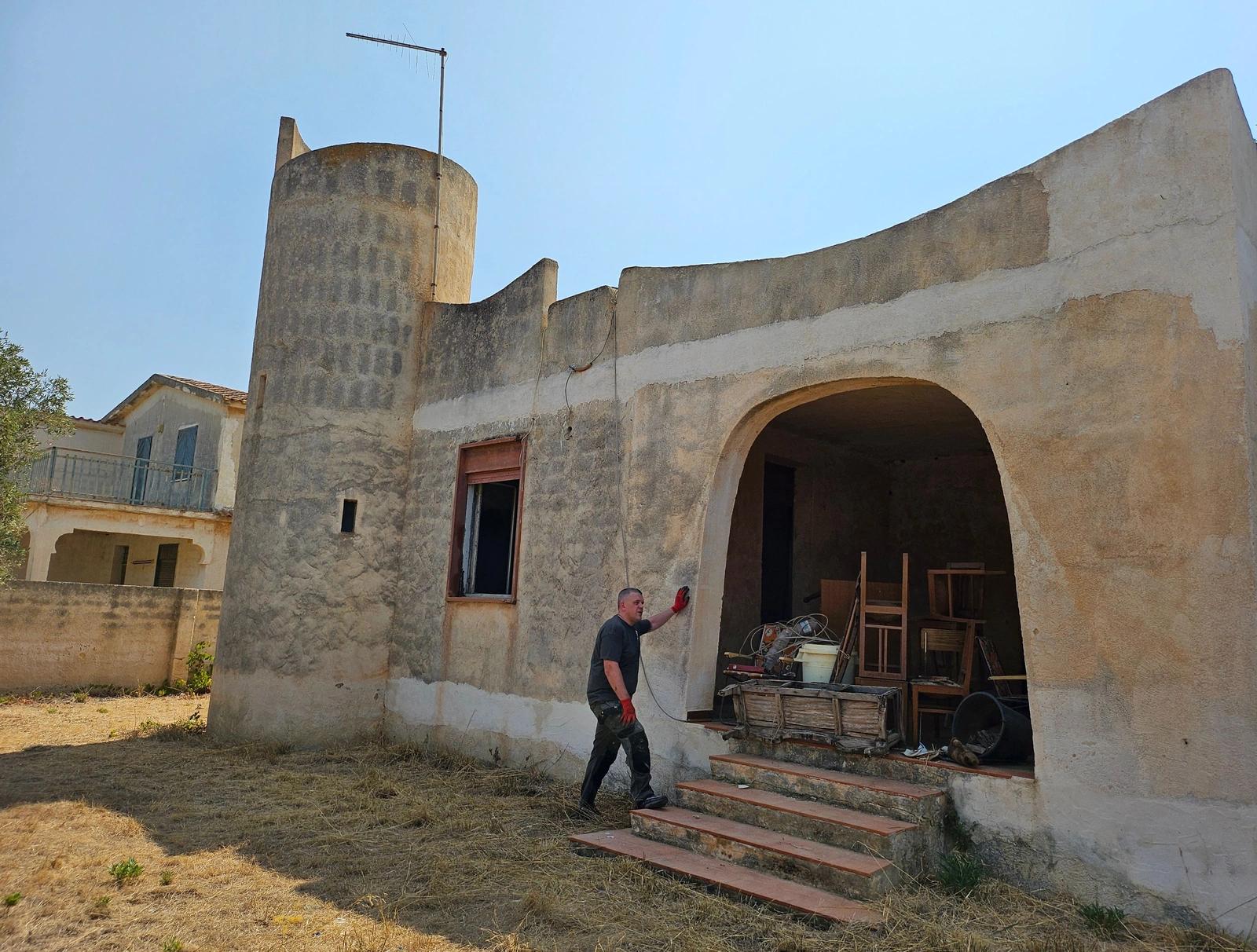
This week the second fix electrics go in, and I mark out the rainwater tank. Next week everything you see in the back garden changes, because I am taking this project underground. With concrete blocks, string lines, metal stakes and red spray paint, I mark the full perimeter of the new underground water tank on the grass, ready for excavation. It is the tank I first marked out in episode 56, and the dig starts in episode 76. Along the boundary wall, I cut some steel rods with the angle grinder.
Waterproofing for the roof
From the builders' merchants I pick up Sika roof waterproofing, two 20kg tubs. These two products are the waterproofing system for the flat roof, and they work together. One is a fibre reinforced liquid waterproof membrane, and the other is a reflective waterproof coat that goes on top. Together they create a seamless, fully protected finish that should last for years to come. The roof needs this before any solar panels go up, as I mentioned in episode 53.
The second fix, and a word on Sicilian trades
Inside, another huge milestone, one I have waited a long time for. The electricians are back on site doing the second fix, and I cannot say enough good things about them. Electrics in Europe are a completely different world to the UK electrics I am used to, as I explained in episode 17, and they have been super helpful, making something quite daunting feel completely doable.
For anyone considering buying a property in Sicily, there is an assumption that everything in Italy moves slowly, that people are unreliable, and that you will get ripped off the moment they hear a foreign accent. That has not been my experience. Whether it is the builders' merchants, the timber merchant, the trades or the suppliers, everyone I have dealt with has been efficient, thorough and helpful. Has there been the odd person who tried to push their luck? Absolutely. The occasional quote has made me do a double take, but you get that anywhere in the world. Common sense tells you to walk away, and I did. My article on moving to Sicily covers more of the honest reality.
Each socket here is completely bespoke, made up of up to three modules, so you can tailor it exactly to your needs. I have gone for a mix of USB-A and USB-C, standard two pin, and the round two pin sockets for larger appliances. All of the light switches and plug sockets are now in place, which means the extension lead by the consumer unit can finally go. It is going to take some getting used to, being able to plug something in or flick a light switch without hunting for a site light or trailing a cable across the floor. The building site is slowly becoming a home.
Garden clean-up and an afternoon off
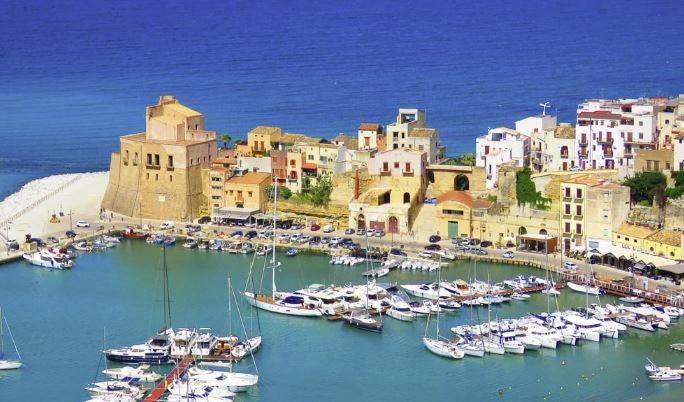
I pump up the wheelbarrow tyre and chip the dried mortar out of its tray, then clear prickly pear pads, gravel and weeds into the compost bag. With the electricians wrapping up, I take a rare afternoon off with my boys on the Sicilian coast: a waterfront park with palm trees, cold drinks and pastries at a café, and go-karting. Back at the villa, we toast marshmallows over the fire pit.
Amending the kitchen waste pipes
The kitchen designer flagged that the elbows on the waste pipes I fitted in episode 74 could cause an issue for the kitchen fitter, so I take them off. With the laser level, a handsaw and the heat gun, I cut back the vertical risers and refit them against the wall.
The weekly beehive inspection
In the full suit, I open the hive, take off the insulation and inspect the frames with the hive tool. The colony grows from the inside out, so the bees have not reached the outer frames yet. The five darker frames in the centre are the original colony frames from episode 73, and the bees are expanding outwards from them, which is exactly what I wanted to see. I lift out the centre brood frames to check the brood and stores, then close up and strap the hive down again. My article on my first year of beekeeping follows the colony.
Scrap, terrace levels and the excavator
By head torch, I set the laser level on the garden wall and measure the levels for the rear terrace. Then a car and trailer arrive, and with help from the neighbours, the last of the old window and door frames are cut apart with the grinder, prised loose with a crowbar and loaded up. Grazie, ciao.
Along the base of the house wall, I cut, drill and fix treated timber battens with the SDS and impact driver, checking them with the spirit level, to set the terrace levels ready for the hardcore backfill. Then the mini excavator drives in through the gate, and I finish the week building an 8 metre straight edge from long timber boards for levelling the terrace. My guide to off grid versus mains water explains why this tank matters, and my renovation timeline shows how long it has taken to reach this point.
Frequently asked questions
What sockets are used in Italy?
My sockets are modular, with up to three modules each. I chose a mix of USB-A and USB-C, standard two pin and round two pin sockets for larger appliances.
Are tradespeople in Sicily reliable?
In my experience, the merchants, trades and suppliers have been efficient, thorough and helpful. There has been the odd high quote, and I simply walked away.
How do you waterproof a flat roof in Sicily?
I bought a two part Sika system: a fibre reinforced liquid waterproof membrane, then a reflective waterproof coat on top, for a seamless finish.
How does a new bee colony grow?
My colony grew from the inside out, expanding from the five original frames in the centre towards the outer frames, which is what I wanted to see.
More episodes on the same job: Rewiring and electrics · Water and plumbing

 The weekly YouTube series