
In this episode
- The old earthenware soil pipe broken out and cut clean at the first cesspit chamber
- A rusted downpipe removed from the render, its channel reused for solar ducting
- Pipe ends heated to make socketed joints, a tip from a viewer
- Homemade wasp and fly traps from plastic bottles
- Hot water run through every fixture to check for leaks before concreting
Breaking out the old soil pipe
This week I lay a new soil pipe to the cesspit, carrying on from episode 52, where I broke open the bathroom floor and found the old drains blocked and cracked. Outside, along the base of the house wall, the old pipe is brittle earthenware. I break out the render and concrete around it with the SDS and a pickaxe, dig it out of the trench and make a clean cut at the first chamber of the cesspit with my Stihl saw.
The cesspit itself is the system I traced back in episode 40, when I followed the drains from under the bathroom. It gets a proper test of its own in episode 57.
A rusted downpipe that cracked the render
Lewis is back, and he takes on an old metal water pipe set into the outside wall. It had rusted and expanded, cracking the render around it, so he chips it out with the cordless SDS from the extension ladder and pulls it down, before the rubble is shovelled into the wheelbarrow. Taking it out now prevents future problems.
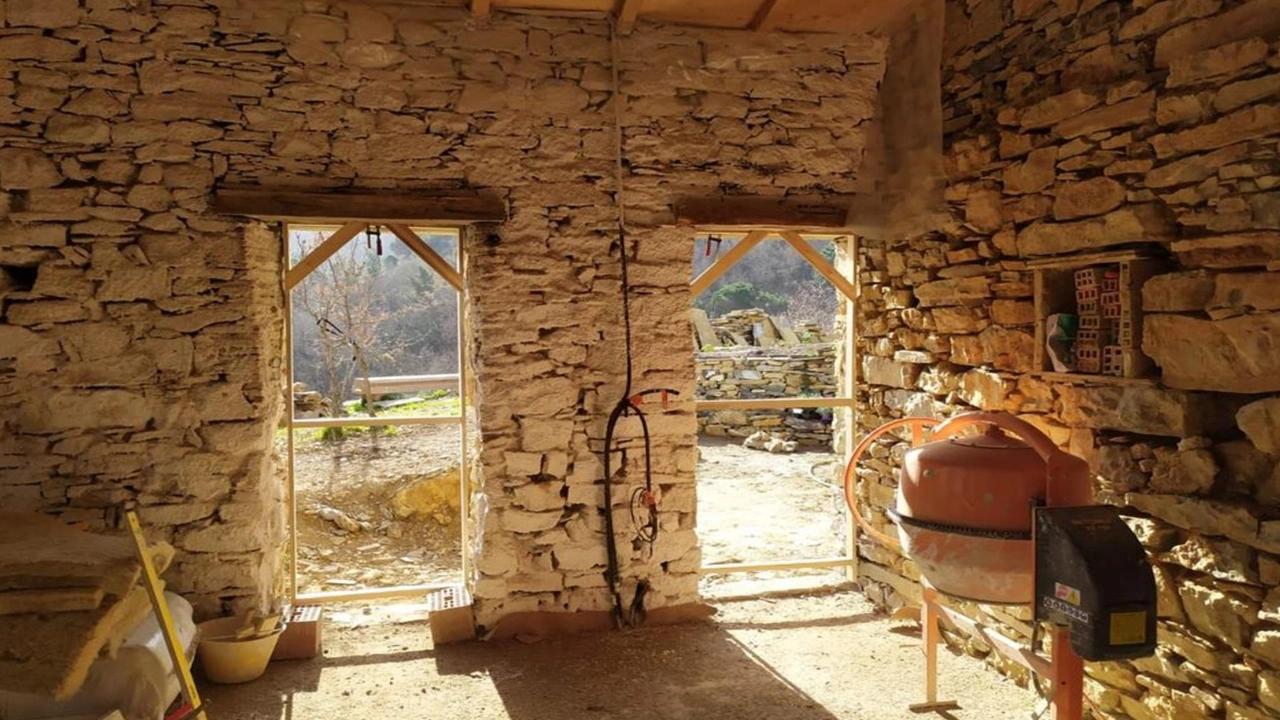
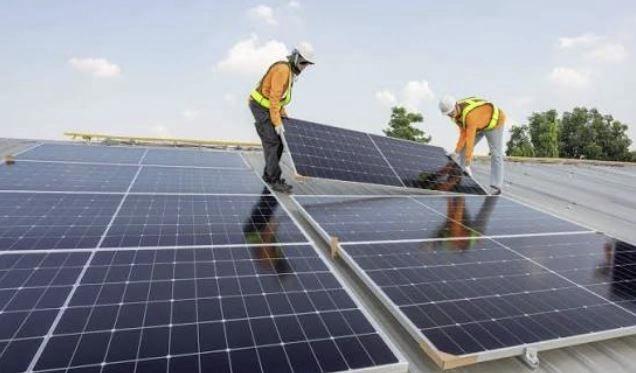
The channel it leaves will not go to waste. I am going to use it to run electrical ducting up to the roof for solar panels at a later date, although the roof needs some work before any panels go up. My guide to solar power for an off grid home in Sicily covers what that involves.
Laying out the bathroom drains
Inside, the bathroom floor is open from last week, with the new positions of the bath, toilet and vanity marked out. I cut the orange PVC pipe to length with a handsaw, measuring each run to the marks on the walls and checking the lines with a green laser level.
Where I need a socketed end, I heat the pipe with a blowtorch so it softens and slips over the next length. Big thanks to the viewer who suggested that in the comments. Heating the pipe to create a socketed end was a simple but brilliant idea.
The joints are solvent welded. I brought my own solvent weld from the UK, because it comes in a tub with a brush. The stuff over here comes in a tube, like toothpaste, and the last time I used it, it went everywhere, all over my hands. Every run is checked for the correct fall before it is fixed. The Italian waste pipe with its belled ends is something I first got to grips with on the kitchen drain in episode 48.
Lunch, and a war on the wasps
Lewis makes lunch, prosciutto, burrata, fresh tomato and mixed leaves on a warm baguette, eaten on the steps by the cement mixer. Pure Italian perfection. There is an influx of wasps and stable flies at the moment. It must be that time of year, because it was the same last year, and they have been irritating Lewis, so he decides to make a few traps.
- Cut the tops off plastic water bottles and turn them upside down inside the bottom half to make a funnel.
- Drill holes and thread yellow string through to hang them.
- Fill them with a mixture of honey, water and dark beer.
- Hang them in the trees and along the walls around the yard.
Have a guess how many wasps were caught in 24 hours. One of the locals also told me why a concrete post by the wall is cracked. They used to mix concrete with sand taken from the seabed, and the salt made the steel inside rust, expand and crack the concrete. It is a common problem all over Sicily, and worth knowing about if you are looking at older buildings. My article on what I wish I had known before buying has more like this.
Connecting the new soil line
Back outside, the new soil line goes from the bathroom, through the wall, along the trench and into the cesspit, with two 45° bends to give the waste a gentle path rather than tight corners. I pack mortar around the opening where the pipe passes through the wall, set a concrete block under it for support, and backfill the trench over the pipe with gravel, levelling it off by hand.
I also carry the long steel bars that have been lying around up to the roof terrace. They will be reused later to anchor each step of the spiral staircase into the tower wall. I have been reluctant to store them in the garden, because the last thing I need is someone using them to break in.
Testing for leaks with hot water
Before any of it is buried for good, the drains get tested. I heat water on the barbecue and pour it down each fixture in turn, then check along the pipe runs and joints for leaks and confirm the water flows away properly. Everything comes up clear, so I shovel concrete around the pipes and trowel it level with the old floor tiles, finishing under a head torch. The hallway trench gets the same treatment with a long straight edge.
I also decided to err on the side of caution and replace the kitchen drain pipe with a larger diameter pipe, and that trench is concreted over too. The bathroom is now ready for tiling, and in episode 54 I fix the last of its drains and a rainwater overflow.
What comes next, and a Q&A
It has been a while since I did a voiceover, so first a huge thank you for all the support, watching, subscribing, sharing advice and joining as members. Most of what you have seen lately has been groundwork: pipes, electrics, drainage and hundreds of little prep jobs. All of this has to happen before plastering.
Over the next couple of weeks I will finish the last few bits, then remove the old windows and doors and board everything up so it is weather and rodent proof, which starts in episode 58. Then I can get the villa ready for a plasterer. While that is happening, I will be outside building the terrace outbuilding for the boiler, pressure tanks and filtration system, and starting the large underground rainwater collection tank. Once the plaster is done, the new windows and doors go in.
Behind the scenes I am shortlisting bathrooms, kitchens and tiles, and I will share options so you can help me choose. I know I am not much of a talker, so I am also planning a Q&A to answer the big questions, which you can watch in episode 56. My practical guide to renovating in Sicily explains why the order of these jobs matters.
Frequently asked questions
How do you test new drain pipes for leaks?
Before concreting them in, I heated water on the barbecue, poured it down each fixture in turn and checked every pipe run and joint for leaks and proper flow.
Why use 45 degree bends on a soil pipe?
I used two 45° bends on my new soil line to the cesspit so the waste has a gentler path round the corner than it would with a tight elbow.
Why are old concrete posts cracking in Sicily?
A local told me concrete used to be mixed with sand from the seabed. The salt made the steel inside rust and expand, which cracks the concrete.
How do you make a homemade wasp trap?
Lewis cut plastic bottles, turned the tops upside down to make a funnel, filled them with honey, water and dark beer and hung them around the yard.
More episodes on the same job: Water and plumbing

 The weekly YouTube series