
In this episode
- Marble sills bedded and levelled in the bathroom and lounge
- Why Fang has to be fed apart from the bigger cats
- Lavender planted in terracotta pots either side of the front steps
- Bouncing floor sections cut out and filled with concrete before tiling over
- Trail camera footage of black rats living in the prickly pears
The marble bathroom windowsill
This week more marble windowsills go in, and I start repairing the kitchen floor. Carrying on from the first sill in episode 63, I trowel a bed of mortar into the bathroom sill opening, set the polished grey marble in place, adjust it by hand and check it with the spirit level. Mortar is packed under the edges and the excess trimmed off.
Outside, I render around the external reveal against its timber formwork. A smaller marble sill goes into a recess too. It is levelled, mortared round the edges and protected with cardboard and tape, and the stonework around it brushed clean.
Feeding Fang on his own
In the main room, Fang the kitten gets his food. You met him in episode 57. He now has to be fed separately from the bigger stray cats, because his mum and the male cat take the kitten's food. When I open the front door, the grey tabby male walks straight in and starts eating from the same bowl.
Planting lavender by the front steps
Outside, I start shaping the garden. Under the portico, I set out terracotta pots, put stones and gravel in the bottom of each one for drainage, fill them with potting soil from the wheelbarrow and plant a lavender in each. They go in rows either side of the front steps, and each one is watered in. My article on what I have planted and what has thrived follows how the garden is coming along.
The lounge window reveal and sill
With cement and sand in the mixer, I put the ladder up outside, unscrew the OSB board from the lounge window and render the masonry edges and reveals from inside the opening with the hawk and trowel. Then a thick bed of mortar goes along the base of the opening. I lift the large marble slab into place, level it, tap it down, wipe it clean and trowel the mortar flush underneath.
Repairing the kitchen floor before tiling over
For anyone who does not know, I am planning to tile over the existing floor tiles. Most of the floor is really solid, but there are a few areas with a slight bounce. Whenever I have the mixer out, I lift small sections and reinforce them with concrete. The last thing I want is for the new tiles to crack because there is movement underneath. I did the same in the hallway in episode 48.
- Cut straight lines through the old tiles with the angle grinder, wearing a respirator and head torch.
- Scrape up the loose tiles with a long flat spade.
- Break up the loose mortar bed underneath with the spade and demolition hammer.
- Shovel the rubble out into the wheelbarrow, leaving a clean channel down to compact ground.
- Mist the trench and tile edges with the pump sprayer.
- Fill the trench with concrete from buckets and spread it with a trowel.
- Screed it flush with the surrounding tiles using a timber straight edge, then trowel the edges neat.
The new floor tiles go over the top in episode 86, after the old tiles are primed in episode 84.
A simple Sicilian lunch
Lunch is simple: a baguette with cream cheese, fresh tomato and cured ham, eaten on the front steps next to the new lavender, with one of the cats for company. My Sicily food guide has more ideas.
A parcel has also arrived from the UK, marked fragile: a new power tool in its case, plus some winter work clothing and gloves. Then, on the porch, a tabby and a black cat face off, hissing and growling at each other.
Rats in the prickly pears
I have just come back from a few weeks in the UK, and checking my two trail cameras in the garden shows a rat problem. At night, black rats run along the top of the stone wall and through the prickly pear cactus, and up close there are fresh and old gnaw marks where they have been feeding on the fruit and the pads. I can see now why this is the cats' favourite place to hang out.
My options are pretty limited. I cannot use snap traps, because the cats could injure themselves. Glue traps are cruel. Poison risks harming the cats. And doing nothing could lead to a rat overpopulation. These are black rats, much smaller than the ones in the UK and, dare I say it, almost cute, but they still need to be controlled, carefully. The goal is the least harmful approach for the cats while still being effective.
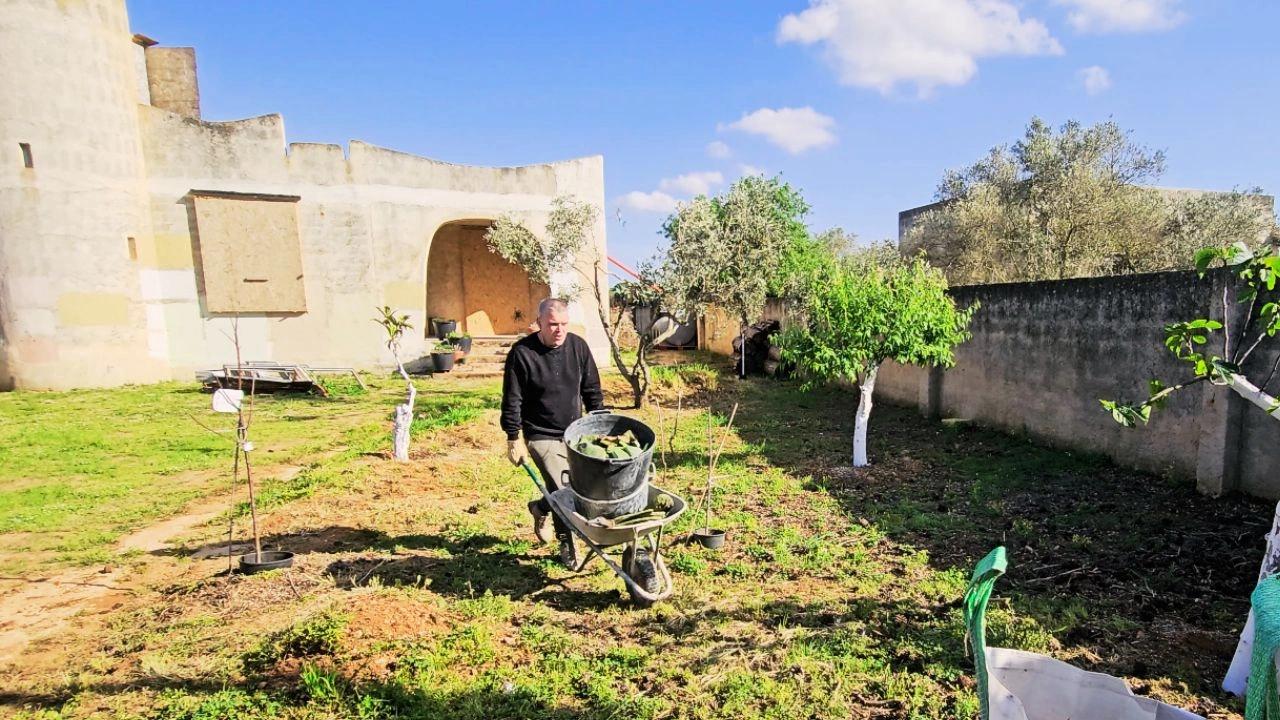
So I start by cutting back the prickly pear along the boundary wall with a petrol pole saw, to disrupt their food supply. They are the same prickly pears I tasted for the first time in episode 49. If anyone has dealt with a similar situation or has pest control experience, I would really like to hear what worked for you. My article on living in Sicily as a foreigner covers the realities of rural life.
Frequently asked questions
Why fix a bouncing floor before tiling over it?
I am tiling over my old floor, so first I cut out any sections with a slight bounce and fill them with concrete, so there is no movement to crack the new tiles.
How do you control rats without harming cats?
Snap traps could hurt the cats, glue traps are cruel and poison risks harming them, so I started by cutting back the prickly pears the rats were feeding on.
What rats live in Sicily?
The rats on my trail cameras were black rats, much smaller than the ones in the UK, living and feeding in the prickly pear cactus along the wall.
How do you plant lavender in pots?
I put stones and gravel in the bottom of terracotta pots for drainage, filled them with potting soil, planted the lavender and watered each one in.
More episodes on the same job: Windows and doors · Tiling the floors


 The weekly YouTube series