
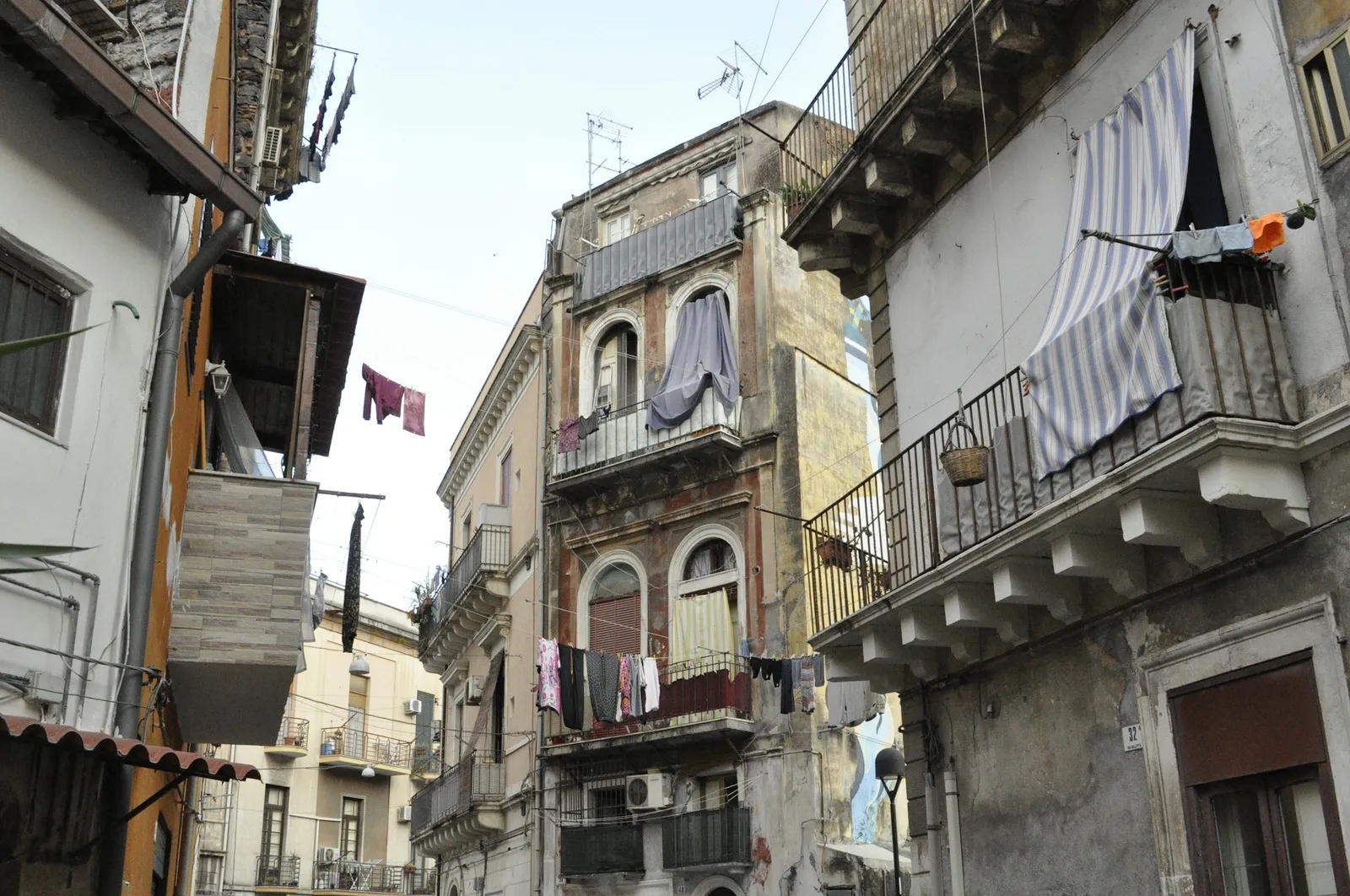
Is home insurance compulsory in Italy?
For a private owner, no. There is no general legal duty to insure your house in Italy. Three situations change that in practice:
- You have a mortgage. Lenders require the house to be insured against fire and explosion (incendio e scoppio) for the life of the loan, usually with the policy tied to the bank. You can normally buy it from any insurer that offers the cover the bank asks for. My guide to mortgages in Italy for foreigners explains the rest of the mortgage process.
- You live in a condominium. Apartment buildings usually insure the common parts through the building administrator, and the cost is shared in the condominium charges. That policy does not cover your own flat's contents or your liability inside it.
- You run a business from the property. The 2024 Budget Law (law 213 of 2023, article 1, paragraphs 101 to 111) made cover against natural catastrophes, meaning earthquakes, floods, landslides, inundations and overflowing rivers, compulsory for businesses operating in Italy. It came in stages: large firms from spring 2025, medium firms from October 2025, micro and small firms from 1 January 2026, and tourist accommodation and food and drink businesses from 31 March 2026. Government guidance says a business run from the owner's own home must insure the property if it is used for the business.
As of November 2026 that obligation does not extend to private homes. If you let your Sicilian house to holidaymakers, the line between an occasional private let and a business matters here, so ask your commercialista how your letting is set up and tell your insurer. My holiday let guide covers the letting side.
How many homes are insured
According to ANIA's figures for March 2026, about 52.1% of Italian homes have fire cover, the highest share ever recorded, but only about 7.3% are also covered for earthquake or flood. The gap between north and south is wide: around 71% of homes are insured against fire in the north, against no more than 23% in the south and islands. In Agrigento and Enna provinces the figure is close to 10%.
What does a standard Italian home insurance policy cover?
Italian home policies are sold as a base cover with optional sections, so two policies with the same name can cover very different things. The building (fabbricato) and its contents (contenuto) are insured separately, each with its own sum insured. The usual sections are:
| Section | Italian name | What it covers |
|---|---|---|
| Fire and explosion | Incendio e scoppio | Fire, lightning, explosion, and usually the cost of clearing debris. The core of every policy, and the part lenders require. |
| Electrical damage | Fenomeno elettrico | Damage to wiring and appliances from power surges or lightning, often with its own excess. |
| Escape of water | Acqua condotta | Damage from burst or leaking pipes, sometimes with the cost of finding the leak. |
| Weather | Eventi atmosferici | Storm, hail and wind damage, often with limits on roofs, glass and anything outdoors. |
| Theft | Furto e rapina | Theft of contents after forced entry, usually on a first loss basis (see below). |
| Third party liability | Responsabilità civile (RC) | Damage or injury you, your family or your building cause to other people. |
| Natural catastrophes | Eventi catastrofali | Earthquake, flood and landslide, as an optional extension. |
Insure for the right amount
The most expensive mistake is insuring for too little. Under the Italian Civil Code, if a building is insured for less than its real value, the insurer pays claims in the same proportion. Insure a house worth €200,000 for €150,000, and on a €40,000 fire claim you receive €30,000, because you insured only three quarters of its value. Some policies soften this, ignoring underinsurance up to a margin such as 20%, but the safest course is to insure the building for what it would cost to rebuild, not for what you paid for it. In Sicily, where a house can cost far less to buy than to rebuild, that difference can be large.
Check too whether the policy pays new for old (valore a nuovo) or the depreciated value (stato d'uso). Many policies pay the depreciated value first and the top-up to new only once you have actually rebuilt or replaced, within a deadline such as 18 months.
What is RC capofamiglia, and do you need liability cover?
Third party liability is the part of a home policy most foreign owners undervalue. In Italy it comes in two forms, and you may want both.
- RC capofamiglia (family liability). Despite the name, it covers not only the policyholder but everyone in the household, for damage or injury they accidentally cause to other people in daily life, at home and away. A child breaks a neighbour's window, the dog bites a passer-by, you flood the flat below: this is the cover that pays. IVASS, the insurance regulator, notes that it can be tailored to your household.
- Liability as owner of the building (RC della proprietà or del fabbricato). This covers damage the building itself causes: a roof tile or a loose stone falling onto a car, a wall collapsing onto a neighbour's land, water from your house damaging the one next door.
For an old stone house in the countryside, with walls, terraces and trees along a lane, the second matters a great deal. If you let the house to guests, tell the insurer, because many household policies exclude or limit liability for paying guests. Liability limits (massimali) of several hundred thousand euros are normal and cost little more than low ones.
Does Italian home insurance cover theft?
Usually, as an optional section for contents. Theft cover in Italy is generally written on a first loss basis (primo rischio assoluto): you choose the sum to insure, such as €10,000, and the insurer pays real losses up to that figure without checking whether your total contents are worth more. Payment is usually on a new for old basis, up to the limit.
The conditions are where claims fail:
- Forced entry. Most policies pay only if the thief broke in through doors or windows of the type described in the policy, such as solid doors with proper locks and grilles or shutters on ground floor windows. Read that description against your house.
- Negligence. Theft through a door left unlocked, a window left open or keys left in the lock is not covered.
- Valuables and cash have low sub-limits, and jewellery often needs to be listed.
- Empty periods. Theft cover is often reduced or suspended when the house is left empty for longer than a set number of days. See the chapter on second homes below.
Better locks, grilles and an alarm can lower the premium, and some policies pay towards upgrading the locks after a break-in. My guide to safety in Sicily puts the risk in context.
Should you insure a house in Sicily against earthquakes and floods?
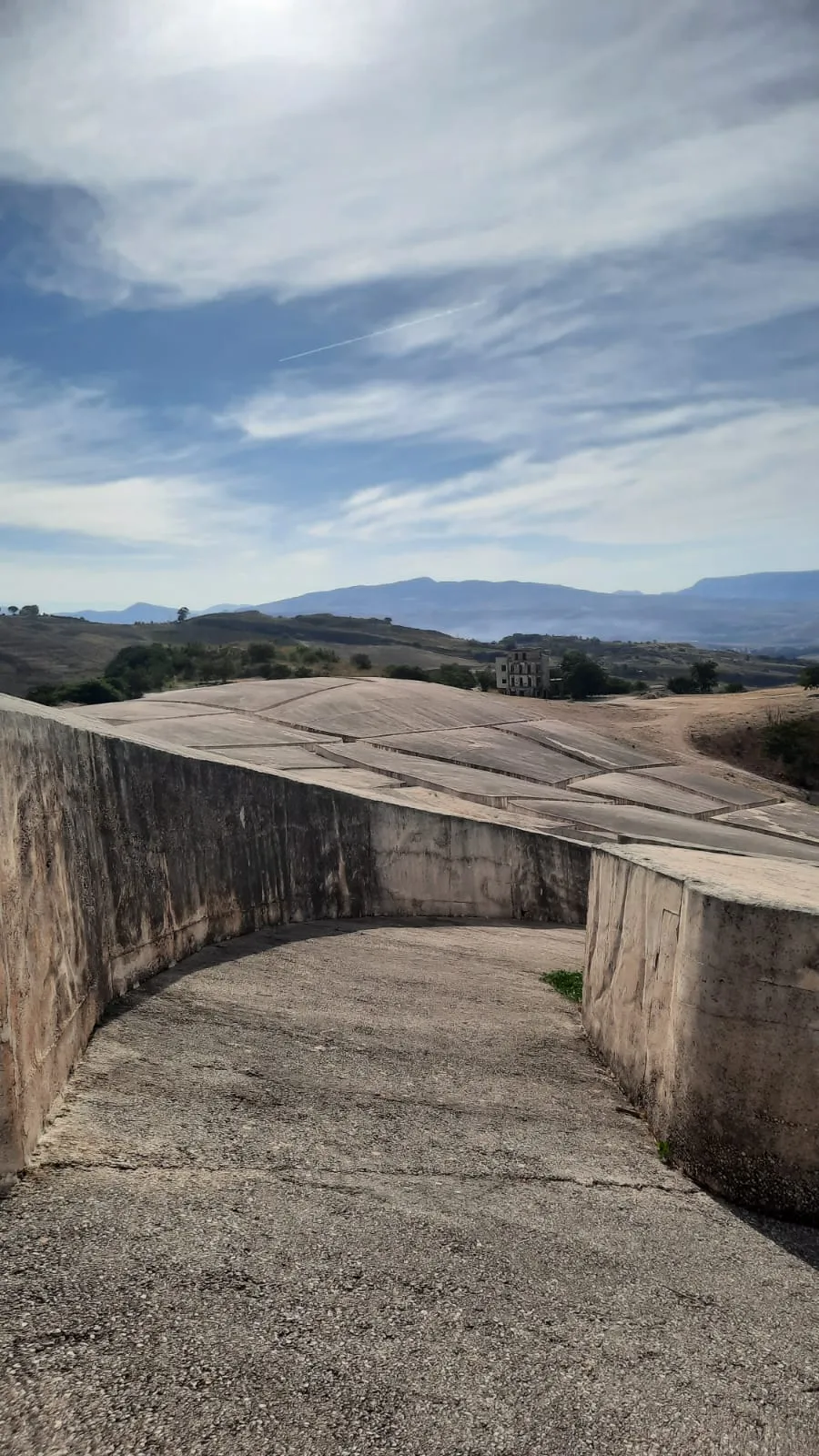
In my view, yes, or at least you should price it before deciding. Sicily is one of the most seismic parts of Italy. Under the regional classification adopted in 2022, 53 Sicilian comuni are in seismic zone 1, the most dangerous, and 304 in zone 2, where strong earthquakes are possible. In January 1968 the Belice valley earthquake, here in the west, destroyed old Gibellina, Salaparuta and Poggioreale and, according to INGV, killed some 300 people. The white Cretto di Burri now covers the ruins of old Gibellina; see the Gibellina town page. Flooding and landslides are a real risk too, especially near rivers, on clay hillsides and where water runs off steep land in autumn storms.
How the cover works
- Earthquake and flood are not in a standard fire policy. They are an extension (estensione catastrofale) added to it, sometimes earthquake only, flood only, or both.
- Expect a significant excess, often a percentage of the damage with a minimum, and a limit that may be a share of the sum insured.
- The price depends heavily on the location: the comune's seismic zone, the flood map, and the age and construction of the house. A rubble-stone farmhouse in zone 1 costs more to cover than a modern reinforced concrete flat in a low-risk area.
- Some insurers will not offer the extension on certain buildings at all, or only after a survey.
ANIA's figures for March 2026 put the average premium for the catastrophe extension at about €138 per policy, or about €124 per home covered, on top of the fire premium. Only about 17.5% of fire policies in Italy include it.
Before you buy a house, check its comune's seismic zone on the Sicilian civil protection website and look at the flood and landslide maps on ISPRA's IdroGEO platform. Your geometra should do the same, and it is worth asking about this before you sign, not after. My guide to the geometra explains what they check.
How do you insure an empty or second home in Italy?
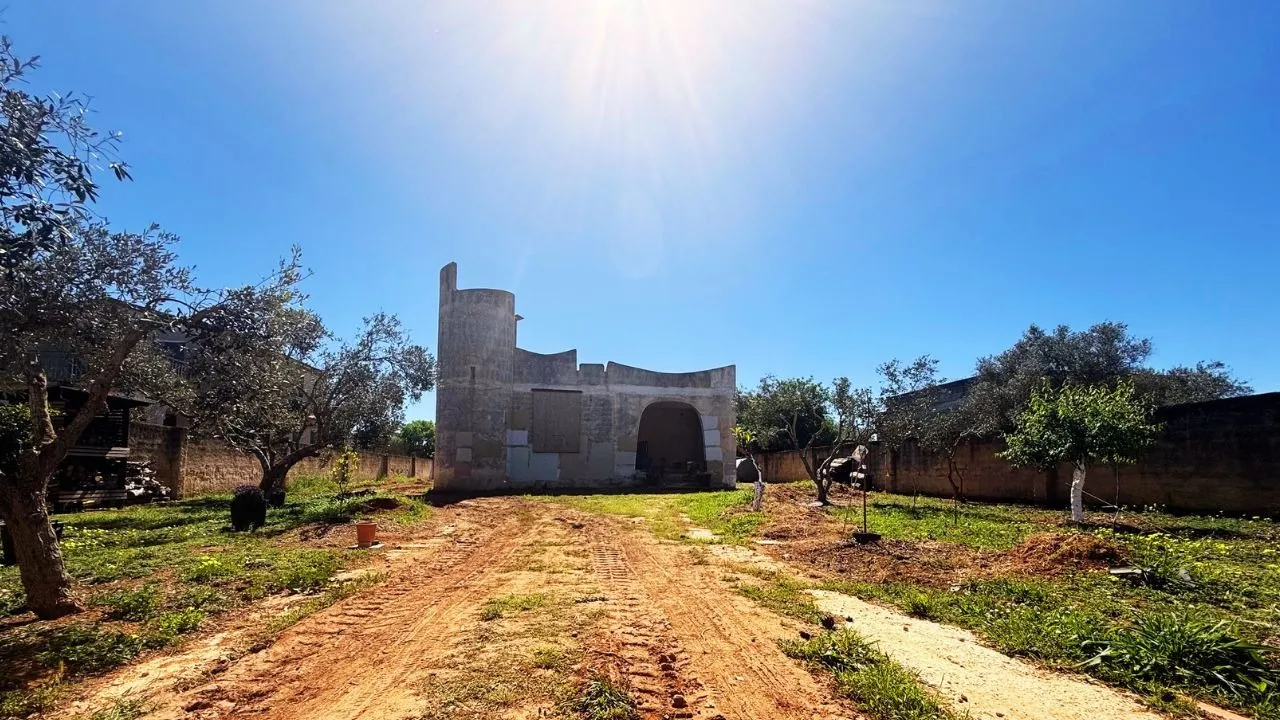
Many foreign owners use their Sicilian house for a few months a year. That matters to an insurer, because an empty house is more likely to be broken into, and a leak can run for weeks before anyone notices.
- Declare it as a second home (abitazione saltuaria) rather than your main residence (abitazione abituale). Getting this wrong can give the insurer grounds to reduce a claim.
- Read the unoccupancy clause. Many Italian policies treat a house as empty after around 30 to 60 consecutive days without anyone living there, and then reduce or exclude theft and sometimes water damage. The number of days, and what counts as living there, vary by policy.
- Arrange checks. A neighbour or a property manager who visits regularly, and keeps a simple log, helps you meet the policy conditions and catches problems early.
- Turn off the water at the main stopcock when you leave, if the policy asks for it, and keep the house secure: shutters closed, grilles locked.
- Lets. If friends or paying guests use the house, tell the insurer. Paying guests change both the theft and the liability picture.
Specialist holiday home policies, from Italian insurers and from some UK providers, are designed for houses that are often empty and are usually more relaxed about unoccupancy. Compare the wording, not just the price. If you later sell, keep the policy running until the day of completion; my guide to selling a house in Sicily covers the handover.
Can you insure a house while it is being renovated?
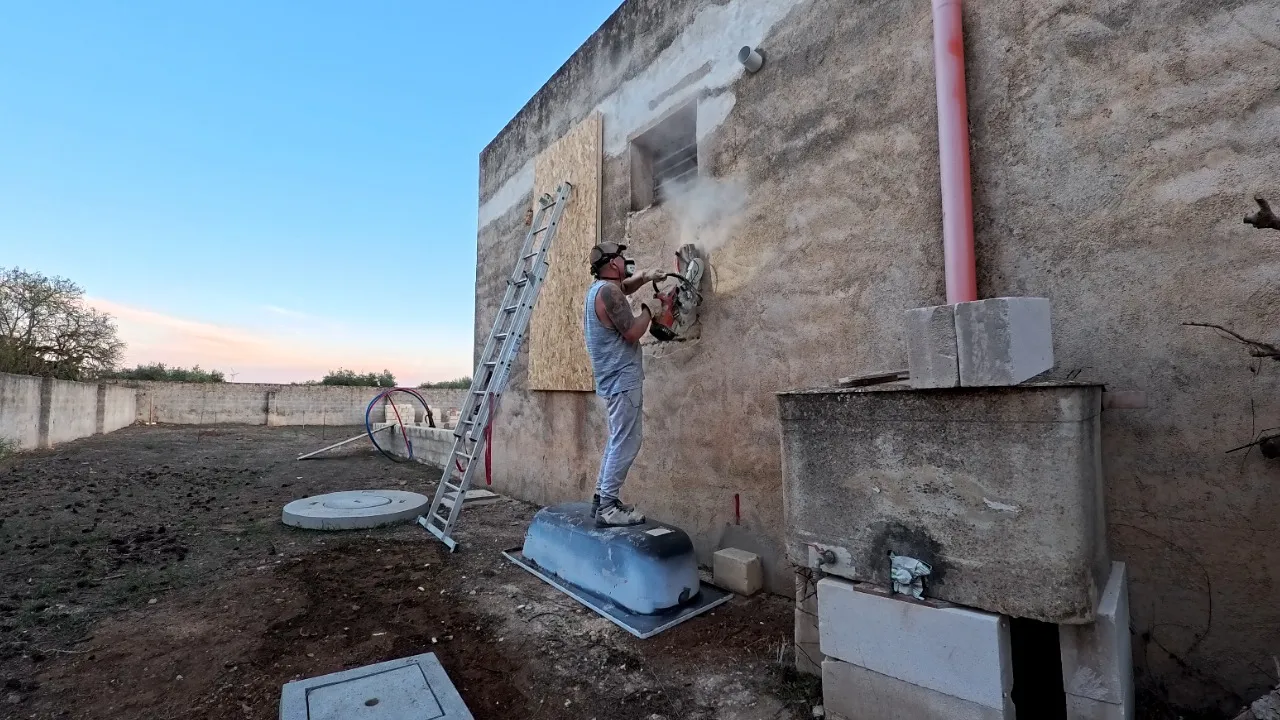
This is the gap that catches renovators. Most standard home policies, Italian or foreign, are written for a finished, habitable house. Some exclude properties under construction or major renovation altogether, others exclude damage caused by the works, and almost all expect you to tell them before work starts. One well-known UK overseas home broker states plainly that its cover is not for a property left permanently unoccupied, under construction or on the market.
What to put in place during a renovation:
- Tell your insurer what work is planned and when. Ask in writing whether the policy stays in force, and on what terms.
- Check the builders' insurance. A professional firm should carry liability insurance for damage to your property and to third parties, and for larger jobs a contractor's all risks policy (CAR) covering the works themselves. Ask to see the certificates, and check the dates and limits.
- Keep your own liability cover. As owner, and as the person commissioning the work (the committente), you can still be pursued if something on your land injures someone.
- Mind the site. Tools and materials left on an empty site are a theft target, and a roofless house is exposed to weather. Most policies will not pay for either.
I do most of the work on my own house myself, and anyone doing the same should read their policy's wording on owner-led works with particular care, because self-build is often treated differently from work by a registered firm. My renovation guide and the building permits guide cover the rest of the project.
How do you insure an off-grid house with solar panels?
My house runs on off-grid solar, with Starlink for internet, a water well and a 40,000 litre tank, so this is close to home. An off-grid system is a large part of what the house is worth, and a standard policy may not treat it the way you expect.
- Is the system part of the building? Policies usually define solar thermal and photovoltaic installations as part of the building, including inverters and cabling. But read the definition: one large Italian insurer's policy wording, for example, includes inverters, meters and cables but expressly excludes storage batteries. For an off-grid house, the batteries are often the most expensive single item.
- Electrical damage. Lightning and surges are a real risk for panels, inverters and charge controllers in the open countryside. Check that the electrical damage section covers the solar system, and note its excess, which is often a few hundred euros.
- Theft of panels. Ground-mounted panels in a field are more exposed than panels on a roof. Some policies cover them only on the building, or only with a sub-limit.
- Fire. Lithium batteries and inverters should be installed to the manufacturer's rules and by a qualified installer; an insurer can question a fire claim on a system that was not.
- Water. A well pump, pressure system and large tank are outside the scope of many standard escape of water sections, which are written for mains plumbing. Ask specifically.
Keep the installer's certificate, invoices and photographs of the system, and give the insurer a realistic replacement value for the whole installation. My solar power guide and the off-grid solar calculator will help you put a figure on it.
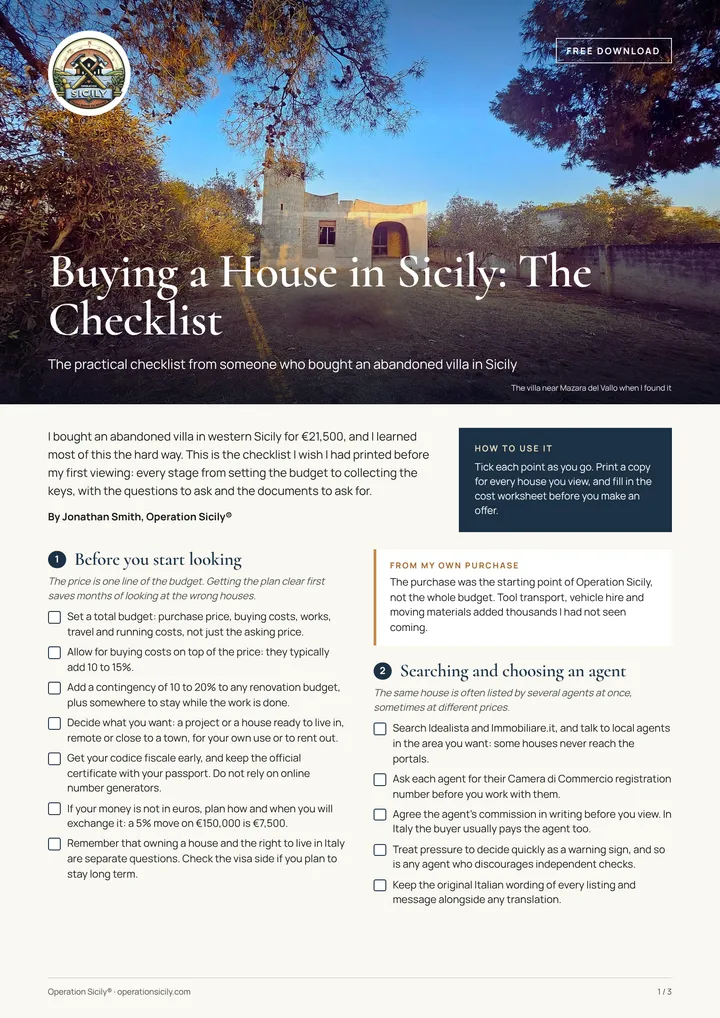
Free download
Buying a house in Sicily? Take my checklist.
Every step from budget to keys, the questions to ask at a viewing and the documents to ask for, as a PDF you can print.
Here is your checklist. Download the checklist (PDF)
Should you use a UK insurer or an Italian one?
Both are possible, and each has its strengths.
| UK holiday home specialist | Italian insurer | |
|---|---|---|
| Language | Policy and claims in English | Policy in Italian; some insurers and agents help in English |
| Designed for | Second homes, empty periods and lets | Mainly homes lived in, with second home options |
| Geography | Varies: some cover Italy, some only Spain, France and Portugal | Built around Italian risk maps and building types |
| Mortgage lenders | Check the bank will accept it | Usually accepted for the fire cover a bank requires |
| Claims on the ground | Loss adjusters appointed from abroad | Local agent and adjuster, often quicker to visit |
| Complaints | Usually the UK system, depending on the insurer | The insurer, then IVASS or the Arbitro Assicurativo |
Check that a UK provider actually covers Italy before you get far: one of the best known UK overseas home brokers covers only Spain, France and Portugal, while others, such as Intasure, offer Italian holiday home policies. I mention them only as examples of what is available, not as recommendations.
An Italian insurer bought through a local agent has the advantage of someone nearby when you need to make a claim, and policies built for Italian buildings. The disadvantage is the language: the policy documents, especially the general conditions, are long and in Italian. Read them, or have them read for you, before you sign. You can check that an Italian insurer or agent is authorised on IVASS's registers.
How much does home insurance cost in Italy?
Less than most British owners expect, for the basic cover. The best published figures come from ANIA's survey of home policies in force at 31 March 2026, before tax:
| Cover | Average per policy | Average per home |
|---|---|---|
| Fire (building) | About €188 | About €133 |
| Earthquake and flood extension | About €138 | About €124 |
Comparison sites put a typical home policy at around €150 to €200 a year. A fuller package with contents, theft and liability costs more, and the real price for your house depends on:
- the rebuild value you insure, and the sums for contents and theft;
- the location: seismic zone, flood risk and crime statistics for the area;
- construction and age: stone and old timber roofs cost more to cover than modern concrete;
- whether it is your main home, a second home or let to guests;
- security: locks, grilles, an alarm, and whether someone checks the house;
- the excesses you accept.
These are averages across Italy. Get at least three quotes for your actual house, and compare the excesses and exclusions as carefully as the premium. My guide to the cost of living in Sicily and my UK and Sicily comparison put insurance alongside the other running costs of a Sicilian home.
How do home insurance claims work in Italy?
- Report it quickly. The Civil Code requires you to notify the insurer within three days of the loss, or of finding out about it, unless the policy gives longer. With an empty second home, that clock starts when you or your key holder discover the damage, which is another reason for regular checks.
- For theft, report it to the police (Carabinieri or Polizia) and keep the copy of the report (denuncia). The insurer will ask for it.
- Limit the damage: turn off the water, cover a damaged roof, secure a broken door. Reasonable costs of doing so are generally recoverable.
- Record everything before you clear up: photographs, video, damaged items kept aside, invoices for what was lost.
- The adjuster (perito) appointed by the insurer assesses the loss. If you disagree with the figure, many policies allow each side to appoint its own perito, with a third chosen if they cannot agree.
- Payment follows agreement on the amount. If the policy pays new for old only after rebuilding, keep the invoices for the repair work.
Keep a file, physical or digital, with the policy, the general conditions, photos of the house and its contents, and invoices for major items such as the solar system, appliances and furniture. If you need it, you will need it from abroad.
How do you complain about an insurer in Italy? IVASS and the Arbitro Assicurativo
IVASS (Istituto per la Vigilanza sulle Assicurazioni) supervises insurers and insurance intermediaries in Italy. If something goes wrong, the route is:
- Complain to the insurer first, in writing, to its complaints office. It must reply within 45 days.
- Go to IVASS if you get no reply within 45 days or the reply does not satisfy you. Complaints can be sent by certified email (PEC), by post or using the form on the IVASS website, which also has a consumer contact centre.
- Use the Arbitro Assicurativo. Since 15 January 2026 you can take a dispute with an insurer or an intermediary to this new out-of-court scheme, overseen by IVASS. You can only do so after you have complained to the insurer and either had no answer within 45 days or an unsatisfactory one. The fee is €20, refunded if you win.
- The courts remain open to you in any case.
If your insurer is based in another EU country and sells into Italy, check which complaints system applies; the policy documents must tell you. For a UK insurer, the policy will set out its own complaints route.
Frequently asked questions
Is home insurance compulsory in Italy?
No, not for a private owner. There is no general legal duty to insure a home. If you have a mortgage, the lender will require fire and explosion cover for the life of the loan. Businesses have had to insure against natural catastrophes since 2025 or 2026, depending on their size and sector, and that can include a holiday let run as a business, but the obligation does not apply to private homes as of November 2026.
Is earthquake insurance compulsory in Italy?
Not for private homes. The 2024 Budget Law made earthquake, flood and landslide cover compulsory for businesses, phased in between 2025 and 31 March 2026, but not for households. In Sicily, where 53 comuni are in the highest seismic zone and 304 in the next, it is worth pricing the extension. ANIA puts the average at around €124 per home a year on top of fire cover.
How much does home insurance cost in Italy?
ANIA’s figures for March 2026 put the average fire premium at about €188 per policy, or €133 per home, before tax, with earthquake and flood cover adding about €124 per home. Comparison sites quote around €150 to €200 a year for a typical policy. Your price depends on the rebuild value, location, construction, security, whether it is a second home, and the excesses you accept.
What is RC capofamiglia insurance?
RC capofamiglia is family third party liability cover. It protects the policyholder and everyone in the household against claims for damage or injury they accidentally cause to other people in daily life, at home or elsewhere. It does not cover damage caused by the building itself, such as a falling roof tile; for that you need liability cover as owner of the building (RC della proprietà).
Can I insure an empty holiday home in Italy?
Yes, but declare it as a second home and read the unoccupancy clause. Many standard policies reduce or exclude theft, and sometimes water damage, once the house has been empty for around 30 to 60 consecutive days. Specialist holiday home policies, Italian or from abroad, are more relaxed about empty periods. Regular visits by a neighbour or manager help you meet the conditions.
Can I use a UK insurer for my house in Italy?
Some UK holiday home specialists, such as Intasure, offer cover for Italy; others cover only Spain, France and Portugal, so check before you apply. A UK policy is in English and designed for second homes, but a mortgage lender may insist on Italian fire cover, and claims are handled by adjusters appointed from abroad. Compare the wording on empty periods, lets and renovation.
Does home insurance cover a house under renovation in Italy?
Often not, or only partly. Many policies are written for finished, habitable houses and exclude properties under major works or damage caused by the works. Tell your insurer before work starts and get its answer in writing, check that your builders carry liability insurance and, for larger jobs, a contractor’s all risks policy, and keep your own liability cover as owner.
Are solar panels covered by Italian home insurance?
Usually, as part of the building, but check the definition. Policies often include panels, inverters and cabling but some exclude storage batteries, which matters for an off-grid house. Check that electrical damage from lightning and surges covers the system, whether ground-mounted panels are covered against theft, and that the sum insured includes the full replacement cost of the installation.
How do I complain about an insurance company in Italy?
Complain in writing to the insurer first; it must reply within 45 days. If it does not, or the reply is unsatisfactory, you can complain to IVASS, the insurance regulator, by certified email, post or its online form. Since 15 January 2026 you can also take the dispute to the Arbitro Assicurativo, an out-of-court scheme overseen by IVASS. The courts remain open to you.
How soon must I report a home insurance claim in Italy?
The Italian Civil Code requires you to notify the insurer within three days of the event, or of finding out about it, unless your policy allows longer. For theft you will also need a copy of your report to the Carabinieri or police. Take photographs before clearing up, limit further damage, and keep invoices for repairs and replacements.
Sources and small print
- IVASS: complaints and the Arbitro Assicurativo
- IVASS: guide to liability insurance (RC capofamiglia)
- IVASS: traditional property insurance products (underinsurance, first loss theft cover)
- ANIA and Confindustria: the compulsory catastrophe insurance for businesses (September 2026)
- BrokerChannel: ANIA data on insured homes and average premiums, March 2026
- Protezione Civile Sicilia: regional seismic classification and Dipartimento della Protezione Civile: seismic zones
- INGV: the 15 January 1968 Belice earthquake
- ISPRA IdroGEO: flood and landslide hazard maps
- Banca d'Italia: mortgage guide (insurance with a mortgage)
- Facile.it: typical home insurance cost
- Holiday home policies for overseas properties: Intasure (Italy) and Schofields (countries covered)
Policies differ widely. Everything here describes typical cover; the wording of your own policy is what counts.
Credits
Photo: Kristin Snippe, Unsplash Licence, via Unsplash.
Photo: Marcello Di Fiore, CC0, via Wikimedia Commons.
Photo: Operation Sicily®, all rights reserved, via operationsicily.com.
Photo: Operation Sicily®, all rights reserved, via operationsicily.com.
Photo: Daniele Pugliesi, CC BY-SA 4.0, via Wikimedia Commons.
 The weekly YouTube series