
In this episode
- A villa built without permits, made legal by the condono edilizio
- Why a 110 m² house is over three times what rural Trapani allows today
- A SCIA to cover the outbuilding, roof terrace stairs, patio, windows and electrics
- Timber beams across the doors and metal on the blinds before a trip home
- First renders of the roof terrace and back garden
Locking up before a trip home
This week is about giving the place a proper tidy, checking that every blind shuts and making sure all the doors and windows are secure. I am flying back to the UK for a week to catch up with friends, family and work, and I want the villa locked down before I go. At the end of the episode I also get into its unusual history, and how an Italian building amnesty, the condono edilizio, is the reason the house is legal at all.
The plans for the garden
Standing in the back garden, I run through what is coming. The trees at the back will be relocated to the front of the property, where two large planter beds will sit either side of the driveway, so as you come through the gates you are met by fruit trees and greenery. Behind the house there will be a large patio, with room for an outdoor kitchen and seating, and the old water well will be completely rebuilt and restored. The whole area behind the house will be landscaped.
Those plans take shape over the following months. The fruit trees are moved in episode 16, the terrace is set out in episode 31 and the well is rebuilt with terracotta bricks in episode 46.
A tree stump, a deli lunch and old coat hooks
The first job is the Stihl chainsaw on an old tree stump, cutting it down to level the ground, while the stump from an earlier tree removal is still smouldering nearby. Lunch comes from a local deli. Afterwards I clear the metal debris left in the fire pile and tidy the back garden. Among the scrap are some old coat hooks that are worth restoring, so they are set aside to go back up inside the villa one day.
Securing the windows, blinds and doors
Most of the week goes on security. I fit metal reinforcements to the roller blinds, then lock down the bedroom windows and blinds one by one. The doors get timber beams fixed across them, and the back door is strengthened last of all.
It is not exactly high tech security, and I say so. The idea is simply to deter anyone, or at least slow them down. At this stage the only thing of real value in the house is my small collection of tools, which is why I had kept that collection small until now. For a wider view, read my honest take on whether Sicily is safe. When I come back in episode 12, everything is exactly where I left it.
Why I need a SCIA, and quotes for the work
The next phase starts with paperwork. What began as a simple question to a geometra, whether I needed permission for an outbuilding to house the water well pressure tanks and pumps, turned into the realisation that I need a SCIA, a certified notification of the start of work. The good news is that it is a fairly quick process, and one SCIA will also cover a new staircase to the roof terrace, the patio, replacement windows and all the electrical work. If you are wondering what a geometra actually does, my guide on why you cannot renovate without one explains it.
I have also lined up electricians to quote for a complete rewire, air conditioning, a new consumer unit and the supply for a pool, garden lighting and the rear patio, plus an excavator to dig footings for the patio and the two front planters. Once I know the house is safe to leave tools in, I plan to bring in a cement mixer, an SDS drill and a generator. The permits come through in episode 15.
How the condono edilizio made the villa legal
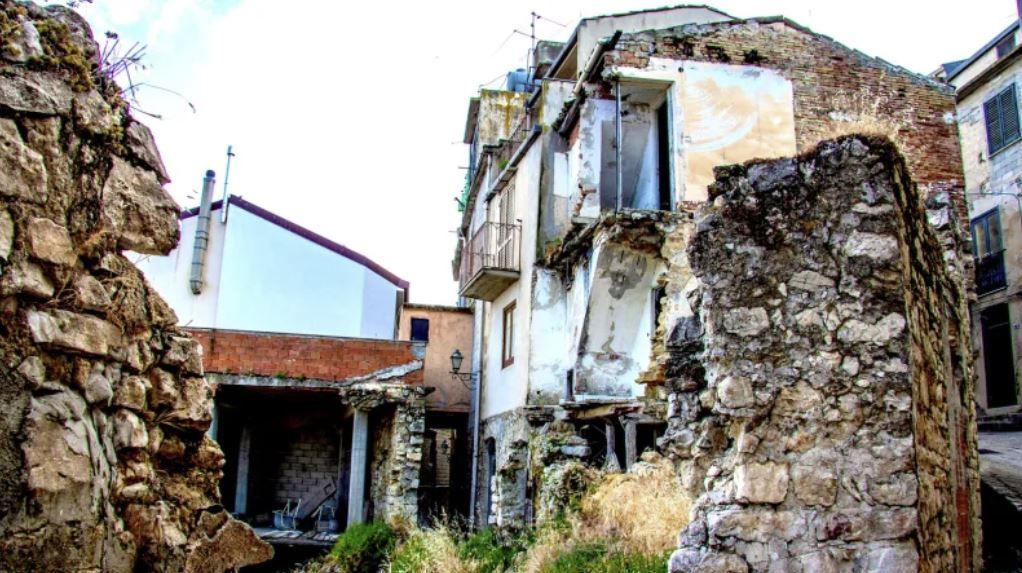
The villa has quite a rebellious past. It was originally built without any permits or proper permission, and it is much larger than would be allowed in rural Trapani today. Typically only 3% of a plot can be developed, which limits most builds to around 30 square metres. My house is about 110 square metres, more than three times that.
It became legal thanks to a series of building amnesties in Sicily from the 1980s. The first major amnesty law, the condono edilizio, came in 1985. The amnesties let owners of unauthorised buildings bring them into compliance, with a few bureaucratic hoops to jump through. For many families it was a lifeline. Thankfully all of that was sorted long before I bought the house.
They were not without dispute. Many locals felt the amnesties rewarded people who ignored the rules and left those who followed them at a disadvantage, and others worried they would encourage more building without permission. Plenty of homes in Sicily still sit outside the legal fold, which is why checking a property's legal status matters so much. My guide to building permits and planning permission in Sicily goes further, and the building permit checker shows which permission a job is likely to need.
Renders, then a Ryanair flight home
Before I leave, there is a first look at renders of the roof terrace and the back garden, the clearest picture yet of what the villa could become. With the weather cooling a little, I am hoping to pick up the pace when I return. Then I fly back to the UK with Ryanair. One week turns into four, and I explain why in episode 12.
Frequently asked questions
What is the condono edilizio?
An Italian building amnesty. The first major one came in 1985 and let owners of buildings put up without permission bring them into compliance. It is how my villa, built without permits, became legal.
How big can you build on rural land near Trapani?
Typically only about 3% of a rural plot can be developed, which limits most new builds to around 30 square metres. My villa is about 110 square metres because it predates the rules and was regularised by an amnesty.
What is a SCIA in Italy?
A certified notification of the start of work, filed through a geometra. Mine covers an outbuilding for the well pumps, a staircase to the roof terrace, a patio, new windows and the electrical work.
How did you secure the villa while you were away?
I fitted metal reinforcements to the roller blinds, fixed timber beams across the doors and strengthened the back door, then padlocked the gate. When I returned four weeks later nothing had been touched.
More episodes on the same job: Buying the villa
 The weekly YouTube series