

What is iscrizione anagrafica, and who needs it?
Every comune in Italy keeps a population register, the anagrafe. Iscrizione anagrafica simply means being entered on it as someone who lives there. Italians call it "having residence" (avere la residenza), and the word matters, because in Italy residence is an administrative fact that the town hall records, not just a description of where you sleep.
The rule of thumb is three months. If you are going to live in Italy for longer than that, you are expected to register in the comune where you have your dimora abituale, your habitual home. Holiday visitors and people who come and go within the Schengen 90 day limit do not register; people who have moved here do.
It helps to keep three things apart, because newcomers often blur them:
- Your right to be in Italy. For non-EU citizens this is the visa and the permesso di soggiorno, handled by the consulate, the post office and the Questura. My guide to Italian visas covers that side.
- Your codice fiscale. The tax code that identifies you on every contract and form. You need it before almost anything else, and the codice fiscale calculator shows how yours is built.
- Your residence. The entry in the anagrafe, handled by the comune. That is the step covered here.
You need the first two in place before the third, and the third is what unlocks the rest of ordinary life: the health card, Italian number plates, a converted driving licence, resident utility rates and an Italian identity card.
Who can register residency in Italy: EU, UK and non-EU citizens
Anyone who lives lawfully in Italy can and should register. What changes is the paperwork that proves you are lawfully here.
EU, EEA and Swiss citizens
You do not need a permit. For stays over three months you register at the anagrafe and show that you are working (employed or self-employed), or that you have enough resources for yourself and your family plus health insurance that covers all risks in Italy. Students show enrolment, resources and cover. The resources test is linked to the Italian assegno sociale figure, and you can usually self-certify it. Once registered, you receive an attestazione di iscrizione anagrafica, which costs two revenue stamps plus a small fee in most comuni; check the exact amount with yours.
UK citizens after Brexit
Since 1 January 2021, UK citizens moving to Italy are treated as non-EU nationals. You need the right visa, then a permesso di soggiorno, and only then do you register residency. If you were already living in Italy before 1 January 2021, you are covered by the Withdrawal Agreement and should hold the residence document for UK nationals; the Italian Interior Ministry issued fresh instructions to comuni in June 2024 on the attestation of permanent residence. If you are a dual UK and Italian national, you register as an Italian. My guide to UK residency rights after Brexit goes into the detail.
US, Australian, Canadian and other non-EU citizens
The order is visa, then permesso, then residence. You apply for the permesso di soggiorno within eight days of arrival, usually through the yellow kit at a post office, and the comune will want to see either the permesso itself or the receipt for your application. There is more on the order of steps for each country in the US, Australia and Canada guides.
Italian citizens, including citizens by descent
If you are Italian and coming back from abroad, you are probably on the AIRE register of Italians abroad. You declare your new address at the comune in the same way, and moving onto the local register takes you off AIRE. If you are recognising citizenship by descent in Italy, residence in the comune is part of that process; see the citizenship by descent guide.
What documents do you need to register residency in Italy?
The core of the application is a single form, the dichiarazione di residenza, which is the same national model everywhere, though many comuni publish their own copy on their website. You fill in the details of everyone moving with you, adults sign, and you attach identity documents for each person. Beyond that, what you attach depends on your nationality.
| Who | What the comune will normally ask for |
|---|---|
| Everyone | The completed dichiarazione di residenza; a valid passport or ID card for each person moving; your codice fiscale; the full address including floor and flat number where there is one |
| EU citizens | Proof of work (contract, payslips or self-employed registration) or proof of resources plus health insurance covering all risks; students also show enrolment |
| Non-EU citizens, first permit | Passport, plus the post office receipt for your first permesso di soggiorno application |
| Non-EU citizens, renewing | Passport, the expired permesso and the receipt for the renewal |
| Non-EU citizens with a permit | Passport and the valid permesso di soggiorno |
| Children | Birth certificates, and for non-EU children their own permit or inclusion on a parent's |
| Your home | Not strictly required, but a registered rental contract, a deed of sale or a letter from the owner makes life easier |
Two points are worth knowing before you go. First, a rental contract helps but is not a legal condition: the Interior Ministry has made clear that what counts is that you actually live at the address. Second, a house that does not meet hygiene standards is not in itself a reason to refuse registration. That matters in rural Sicily, where plenty of people live in houses that are still being put right. Our own house had been empty for over twenty years when we bought it, so I know how far from a finished home a building can be.
Foreign certificates, such as marriage or birth certificates for family members, usually need an apostille and an official translation before the comune will record them. Get these done in your home country before you leave; it is far harder from a village in Sicily.
How to make the residency declaration at the comune
The law lets you hand in the declaration in several ways, and most comuni accept all of them:
- In person at the ufficio anagrafe, which many small comuni prefer and which lets you fix mistakes on the spot. Some offices work by appointment, so ring or check the website first.
- By recommended post (raccomandata), with copies of your documents.
- By email or PEC (certified email), as long as the form is signed and the ID copies are attached, or signed digitally. Some comuni still accept fax.
- Online through ANPR, the national population register, using SPID or an Italian CIE. The online service is for people already on the register who move house, and for Italian citizens returning from abroad who are on AIRE, so a foreigner making a first registration will use one of the first three routes.
Keep the receipt or the stamped copy. The date you hand in the declaration is the date your residence starts if everything is confirmed, and several later steps, such as licence deadlines, count from it.
Within two working days the comune enters your details on the register. For non-EU citizens, the office first checks that your stay is regular, which is why the permesso or its receipt is so important. From that point you are provisionally resident, and in many comuni you can already ask for a certificate.
A practical tip: if your Italian is still basic, take someone who speaks it, or write your questions down before you go. Anagrafe staff in Sicily are usually patient and helpful, but they are working through a national form in Italian, and a clear list of names, dates and addresses saves everyone time. My notes on learning Italian in rural Sicily may help with the longer game.
What happens at the vigili home check for residency?
Once you are provisionally registered, the comune asks the Polizia Municipale, the local police everyone calls the vigili, to confirm that you really live at the address. This is the accertamento, and it is a normal step, not a sign that anyone doubts you.
In practice it usually goes like this:
- an officer calls at the address, usually unannounced and in working hours;
- they check that you, and anyone else on the declaration, live there: your name on the door or the post box, someone at home who can confirm it, signs that the home is lived in;
- they may ask to see an ID document;
- they report back to the anagrafe, which confirms the registration.
Practice varies from one comune to the next. Some officers leave a note asking you to call, some come back another day, some ring the number on your form. Ask at the anagrafe what happens if you are out, and make sure your name is clearly on the gate or the letter box. In the countryside, where a house may be at the end of a track with no number, a phone number on the form and clear directions are worth more than anything else.
If the check finds you do not live there, the comune does not simply strike you off. It must first tell you the reasons it intends to refuse and give you time to respond. False declarations of residence are a serious matter in Italy, so never register at an address where you do not actually live.
What is the 45 day rule for residency in Italy?
Since 2012, the change of residence in Italy has worked "in real time". The comune registers you within two working days of your declaration, and then has 45 days to carry out its checks. If it does not tell you within those 45 days that something is wrong, the registration is confirmed by silence (silenzio assenso). Your residence then counts from the day you handed in the declaration.
| Step | Typical timing |
|---|---|
| Hand in the declaration | Day 0 |
| Provisional entry on the register | Within 2 working days |
| Vigili check at the address | Any time within the 45 days, often within a few weeks |
| Registration confirmed | On a positive check, or automatically after 45 days without a negative notice |
| Moving to a new comune later | Declare within 20 days of the move |
| Renewing a non-EU permesso later | Renew your declaration of habitual residence within 60 days of the new permit |
In practice, many people in Sicily have their check within a few weeks and some are confirmed only by the 45 day rule. Either way, keep your stamped copy of the declaration and note the date. If the 45 days pass and you hear nothing, you can ask the anagrafe for a certificate to have it in writing.
How to get your residence certificate and Italian ID card (CIE)
Certificates
Once you are registered, the comune can issue a certificato di residenza and a stato di famiglia (a certificate of who lives with you). Many offices, utility companies and the motor registry will ask for one, although in theory public bodies should check the register themselves. If you have SPID or a CIE you can also download certificates from the ANPR website. Paper certificates often carry a revenue stamp unless the use is exempt, so ask the office which applies.
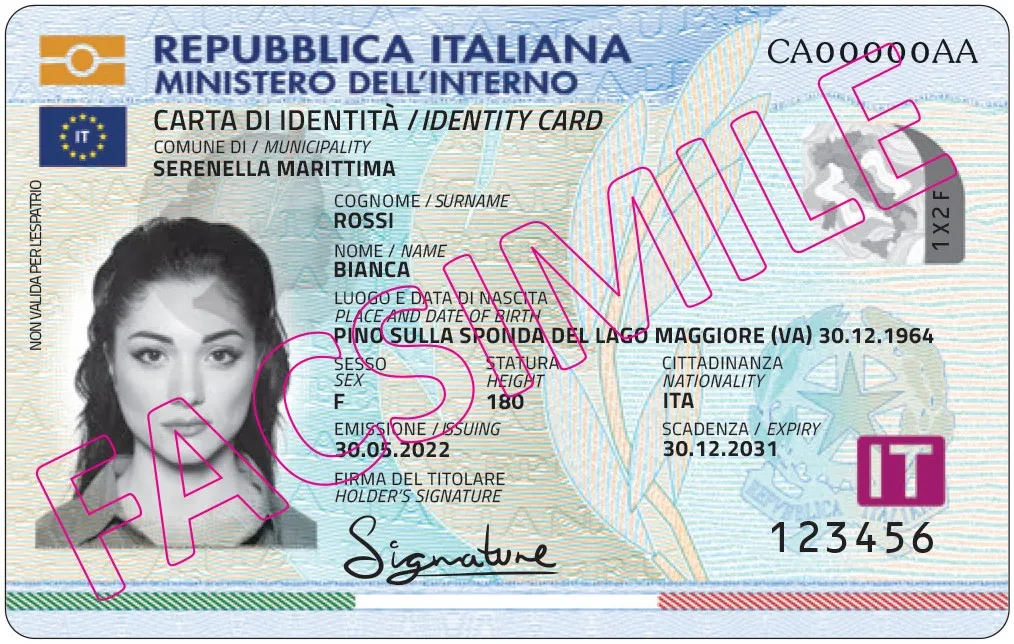
The carta d'identità elettronica
Residents can apply to their comune for the Italian electronic identity card, the CIE. It is a credit card sized card with a chip, and it is the most practical ID to carry day to day. Italian law expects foreign residents to carry identification, and a CIE is lighter on the nerves than carrying your passport around the market.
- You book an appointment at the anagrafe, with your passport, a recent photo (some comuni take it there), your codice fiscale and, for non-EU citizens, your permesso.
- The fixed state cost is €16.79; with comune fees the total is typically around €22.
- The card is produced by the state mint and posted to you or collected, usually within a week or two.
- For foreign citizens, the CIE is marked as not valid for travel abroad. Keep using your passport at borders.
Once you have a CIE and an Italian phone number you can activate the card as a digital identity, which opens online access to many public services. That is a bigger help than it sounds when the nearest office is a long drive away.
What does residency in Italy unlock?
This is why registering early matters. Most of the systems you want to join check the anagrafe first. In my part of the west a car is essential for everything, so for most people out here the car steps below matter as much as the health card.
| What | Where you go | What residency does |
|---|---|---|
| Health service (SSN) and tessera sanitaria | The local ASP office | Lets you register and choose a GP; for some permit types enrolment is voluntary and paid, with a minimum of €2,000 a year |
| Italian number plates | Motorizzazione and PRA, or an agency | Plates are normally tied to residence; a foreign car must be re-registered within set limits |
| Driving licence conversion | Motorizzazione Civile | Starts the clock on how long you can drive on a foreign licence |
| Resident electricity rate | Your supplier | The tariff for your home of residence avoids some fixed charges that non-residents pay |
| CIE identity card | Ufficio anagrafe | Foreign citizens need to be resident to get one |
| Bank account | Your bank | Banks treat resident and non-resident customers differently, so update your status |
Health card and doctor
With residence and the right permit, you go to the ASP (the provincial health authority) to enrol in the Servizio Sanitario Nazionale, receive your tessera sanitaria and choose a medico di base. If you are employed or self-employed in Italy, enrolment is normally compulsory and free at the point of use. If you are on an elective residence visa, enrolment is usually voluntary and paid each calendar year; since the 2024 budget law the minimum contribution is €2,000. My guide to healthcare in Sicily covers how it works once you are in.
Cars and licences
Italian plates are normally linked to residence, so you need to be on the anagrafe before you can buy and register a car in your own name. Residence also starts the clock on your foreign licence: UK licence holders who became resident from 2023 can drive on it for 12 months, and must normally exchange it within six years of residence, while other non-EU licences are valid for only one year after residence. My guide to owning a car in Sicily covers licence exchange, buying and insurance step by step.
Utilities and the bank
When you sign an electricity contract, the supplier asks whether the address is your residence. The domestic resident tariff is cheaper than the non-resident one because of how fixed system charges are applied, so update your contract once you are registered. My utilities guide and banking guide cover the rest. We run on our own solar, well and storage tank, but most new arrivals will be on the grid at first.
What is AIRE, and how does it affect residency?
AIRE is the Anagrafe degli Italiani Residenti all'Estero, the register of Italian citizens who live abroad. It matters to two groups of readers.
- Italians moving back to Sicily. If you are on AIRE, you declare your new Sicilian address to the comune just as anyone else does, or online through ANPR. Once you are entered on the local register, your AIRE registration is closed. You do not need to cancel AIRE separately at the consulate first.
- Anyone leaving Italy again. If you later move abroad for more than a year, Italians register with AIRE through their consulate, and foreign residents should tell the comune they are leaving so they are taken off the register. Leaving a stale residence on the books can cause trouble later with health enrolment, car paperwork and bills.
AIRE does not apply to foreign citizens living in Italy. If you are a UK, US or Australian citizen without Italian nationality, you will only ever deal with the ordinary anagrafe.
Registering residency in a small Sicilian comune: common problems
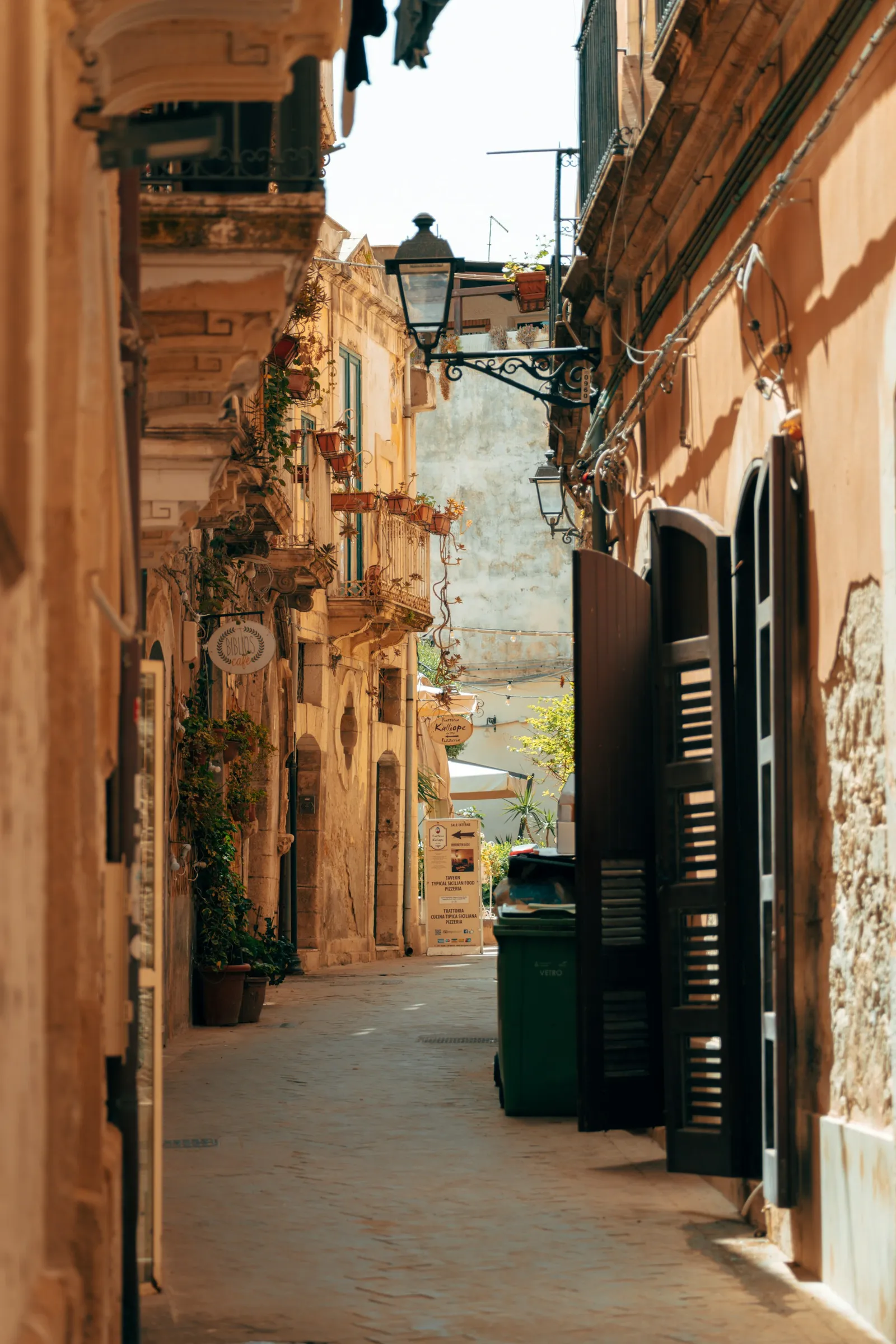
The law is national, but in a village of a few thousand people the anagrafe may be one or two people, and that shapes the experience. None of the following is a reason not to register; they are things to plan around.
- Short opening hours. Small offices often open only a few mornings a week, sometimes with an afternoon. Check before you drive in.
- Unfamiliar cases. An office that registers one foreign family a year may not know the rules for a UK citizen with a post office receipt, or an EU pensioner. Polite persistence and a printout of the relevant rule from the Interior Ministry or your consulate usually settle it.
- Extra documents. Some offices ask for more than the law requires, such as a utility bill or a rental contract. It is often quicker to provide it than to argue, but you do not have to sign a lease you do not have.
- Houses with no number. Rural homes in a contrada may have no house number, or one that the map apps do not know. The comune is responsible for street numbering, so ask the anagrafe or the ufficio tecnico how to get a number assigned. It will also help the post, couriers and the ambulance find you.
- Houses still being restored. As noted above, a house that falls short on hygiene standards is not in itself a bar to registration, but you do need to actually live there. If you are camping in a ruin while you work on it, talk to the office first.
- The vigili visit in the countryside. Officers may struggle to find you. Put a clear pin, landmarks and a phone number on your form, and expect a call.
My honest advice is to make friends with the people at the comune. In a small town you will see them again at the bar, at the post office and at the festa, and a good relationship makes every later certificate easier. If you are still deciding where to live, my cost of living guide compares rents and prices across the island's provinces.
How to keep your residency up to date
Registration is not a one-off. A few later events need a fresh declaration or a check:
- Moving house within Sicily. Declare the new address within 20 days of the move, at the comune you are moving to. It handles the transfer from your old one.
- Renewing your permesso. Non-EU residents should renew their declaration of habitual residence at the anagrafe within 60 days of renewing the permit. People often miss this, and some comuni will strike you off if you do not.
- Family changes. Births, marriages and new family members joining you are all recorded at the anagrafe.
- Permanent status. After five years of legal residence, EU citizens can ask for an attestation of permanent residence, and non-EU citizens may qualify for an EU long-term permit. Your continuous record on the anagrafe is the evidence for both.
- Guests. If you host a non-EU citizen in your home, the law requires a declaration to the police authorities within 48 hours. Ask your comune or Questura how it is done locally.
None of this is hard, but it is easy to forget once life settles down. I would put the permesso and residence dates in the same calendar as the car's revisione and insurance, and the Italy move planner is a good way to see the whole sequence in one place.
Frequently asked questions
How long does it take to register residency in Italy?
The comune must enter you on the register within two working days of your declaration. It then has 45 days to check your address, usually through a visit from the Polizia Municipale. If it does not object within those 45 days, the registration is confirmed automatically and counts from the day you applied.
Can a UK citizen register residency in Italy after Brexit?
Yes. UK citizens who move to Italy now are treated as non-EU nationals, so they need a visa and a permesso di soggiorno, or the receipt for one, before the comune will register them. UK citizens living in Italy before 1 January 2021 are covered by the Withdrawal Agreement and register on that basis.
Do I need a rental contract to get residency in Italy?
Not strictly. The Interior Ministry has confirmed that what matters is that you actually live at the address, and a registered contract is helpful evidence rather than a legal condition. In practice, a contract, a deed of sale or a signed letter from the owner makes the registration and the vigili check go much more smoothly.
What happens if I am not at home when the vigili come to check my residence?
Practice varies by comune. Officers may leave a note asking you to call, come back another day, or phone the number on your form. Ask the anagrafe office how it works locally, put your name clearly on the gate or letter box, and give clear directions if your house is in the countryside with no street number.
What documents does a non-EU citizen need for iscrizione anagrafica?
A valid passport and either a valid permesso di soggiorno, the post office receipt for a first application, or the expired permit with the renewal receipt. You also complete the dichiarazione di residenza form, give your codice fiscale and full address, and attach ID for every family member who is moving with you.
Can I get an Italian ID card as a foreign resident?
Yes. Once you are registered, you can apply to your comune for the carta d'identità elettronica. The state cost is €16.79 and with comune fees the total is typically around €22. For foreign citizens the card is issued as not valid for travel abroad, so you still use your passport at borders.
Do I need residency to buy a car in Italy?
In practice, yes. Italian number plates are normally tied to residence, so EU citizens need to be on the anagrafe and non-EU citizens need a permit and residence before a car can be registered in their name. Residence also starts the clock on how long you can drive on a foreign licence before converting it.
Does residency in Italy give me free healthcare?
It depends on your status. Residents who work in Italy, and their families, are normally enrolled in the national health service at no annual cost. People on an elective residence visa and some other permits usually enrol voluntarily and pay a yearly contribution, which has a minimum of €2,000 since 2024.
What is AIRE and do I need to cancel it when I move back?
AIRE is the register of Italian citizens living abroad. If you are Italian and moving back to Sicily, you simply declare your new address at the comune or online through ANPR. Once you are entered on the local register, your AIRE record is closed, so you do not need to cancel it separately first.
Can I register residency in a house that needs renovating?
Often, yes. The Interior Ministry has said that failing hygiene standards does not in itself prevent registration, because the test is whether you actually live there. If the house is barely habitable, speak to the anagrafe first, and be ready for the vigili to check that you really sleep there.
Sources and small print
- Integrazione Migranti (Ministry of Labour): iscrizione anagrafica for foreign citizens
- Prefettura: change of residence in real time (art. 5 DL 5/2012)
- Polizia di Stato: EU citizens staying in Italy
- GOV.UK: Living in Italy
- ANPR: online change of residence
- Ministry of the Interior: the electronic identity card
- Integrazione Migranti: voluntary enrolment in the SSN from 2024
- Ministry of Infrastructure and Transport: converting a foreign licence
- ARERA: resident and non-resident domestic tariffs
- Consulate General of Italy in New York: AIRE and returning to Italy
Procedures are national, but each comune organises its own office. Check opening hours and any local checklist with your anagrafe before you go.
Credits
Photo: Vincezam, CC BY-SA 4.0, via Wikimedia Commons.
Photo: Ministero dell'Interno / IPZS, CC BY 4.0, via Wikimedia Commons.
Photo: Val Vesa, Unsplash Licence, via Unsplash.
 The weekly YouTube series