

Can Australians still get Italian dual citizenship?
Yes, but far fewer than before. Since Decree-Law 36/2025, confirmed by Law 74/2025, the consulates in Sydney, Melbourne and Perth explain that citizenship now passes for at most two generations, and that someone born abroad who also holds another citizenship, Australian for example, must meet one of these conditions:
- A parent or grandparent held only Italian citizenship at the time that counts: when you were born, or when they died.
- An Italian parent lived in Italy for at least two years in a row after becoming Italian and before you were born.
- You hold, or can hold, no citizenship other than Italian.
The extra conditions do not apply if your appointment was booked and confirmed by 23:59 Rome time on 27 March 2025; those cases follow the old rules. The consulates also note that an Italian mother could only pass citizenship to children born from 1 January 1948.
For most Australian families the question is when the Italian grandparent took Australian citizenship. If your nonno naturalised before you were born, the grandparent route is closed. If he never did, it may still be open. A great-grandparent is no longer enough. The full rules, the exceptions for children and the other routes to living in Italy are in my main guide to Italian citizenship by descent; this page covers the Australian side.
Australian Italian dual citizenship
Australia adopted dual citizenship provisions in 2002, so taking Italian citizenship does not cost you your Australian one, and Italian law lets you keep another citizenship when you are Italian.
The 2026 Italian citizenship ruling
The court case most Australians search for is the Constitutional Court's ruling 63 of 2026. The Court decided it in March 2026 and filed it on 30 April 2026. It rejected the challenge raised by the court in Turin: treating applications made before and after 28 March 2025 differently, and the argument that the law took away citizenship people already had, were both found unfounded. The 2025 law stands.
In a later order, 147 of 2026, filed on 23 July 2026, the Court paused further challenges from Mantua and Campobasso and asked the Court of Justice of the European Union whether the law fits EU citizenship rules. Until that court answers, the 2025 rules apply at every consulate. My main citizenship guide keeps track of both cases.
Which Italian consulate covers your state: Sydney, Melbourne and the rest
You apply where you live, not where your family landed. According to the Italian embassy in Canberra:
| Office | Covers |
|---|---|
| Consulate General in Sydney | New South Wales, except Queanbeyan and Cooma; Norfolk Island |
| Embassy in Canberra (consular office) | The ACT, and Queanbeyan and Cooma in New South Wales |
| Consulate General in Melbourne | Victoria and Tasmania |
| Consulate in Brisbane | Queensland and the Northern Territory |
| Consulate in Adelaide | South Australia |
| Consulate in Perth | Western Australia, and Christmas and Cocos (Keeling) Islands |
The consulates take applications only from Australian citizens living in their state, and from people of other nationalities who live there on an Australian permanent residence visa. You need proof of residence, such as a driver's licence or utility bill, and each adult applies separately.
Italian citizenship by descent in Sydney
Sydney has suspended new appointments for adult applicants. It explains that Law 11/2026 moves adult applications from people living abroad to a dedicated office at the Foreign Ministry in Rome from 1 January 2029, and that until 31 December 2028 consulates may accept only a limited number. Applications for children are not affected.
Italian citizenship by descent in Melbourne
Melbourne takes adult applications from people living in Victoria and Tasmania, by appointment through Prenot@mi, and gives 730 days as the time limit to decide. It does not answer general questions about the procedure by email or phone.
What documents you need, and where to get each one in Australia
Use your own consulate's checklist; Sydney and Perth have separate lists for Australian citizens and for other nationalities. The core is the same:
- The application form, your passport and proof that you live in the state.
- The Italian ancestor's birth record from the comune where they were born. Sydney asks for Italian certificates as photocopies of what the comune issues. If you still need to find the town, my guide to tracing your Sicilian ancestry covers the archives and how to write to the comune.
- Your own birth certificate, and marriage or divorce papers if they apply, plus the birth and marriage records for each generation in between. Australian certificates come from the Registry of Births, Deaths and Marriages of the state or territory where the event happened (divorces from the Family Court), as originals with an apostille and an Italian translation.
- Proof that the Italian parent or grandparent had not become Australian before you were born. Sydney accepts a certificate from the competent authorities, a copy of their Australian visa, or their Australian citizenship certificate; Adelaide asks for a certificate of non-Australian citizenship or a VEVO record.
The consulates keep the originals and do not return them. Relatives applying through the same ancestor in the same state can share one set of the ancestor's documents.
Home Affairs and the National Archives
The Department of Home Affairs has an online request to confirm the Australian citizenship status of a person who has died, which it says can support an application for another country's citizenship. You can use it if the person was your parent or grandparent, or if you are named as executor in their will.
The National Archives of Australia holds naturalisation records from 1904, including naturalisation certificates and case files, and a Department of Immigration Citizenship Index of applicants from 1904 that its reference staff can search for you. Before 26 January 1949, the wives and young children of naturalised men generally did not apply separately, so look for the husband's file too. Applying was never compulsory, so many migrants have no file at all.
Apostille and translation in Australia
Australian public documents are apostilled by the Department of Foreign Affairs and Trade (DFAT), and the Adelaide and Melbourne consulates link to its apostille service. After that, each certificate needs an Italian translation. Sydney certifies the translation for a fee under the consular fee table, and Adelaide may certify one in exceptional cases for documents in English. Check your consulate's page before you pay a translator.
How to book: Prenot@mi, the fee and waiting times
- Appointments are booked on Prenot@mi, the Italian consulates' online booking system, under the citizenship service. Each adult applies in person.
- The fee is €600 for each adult, paid in Australian dollars by cash or debit card, and not refunded whatever the outcome.
- The published time limit to decide is 730 days in Sydney, Melbourne and Perth, and 36 months in Adelaide. None of the consulates publishes how long you wait for an appointment.
- Until the end of 2028, consulates may take only a limited number of adult applications, and Sydney has stopped new adult bookings for now.
How to apply for Italian citizenship in Italy instead
If you move to Sicily first, the application goes to the comune where you are registered as resident rather than to a consulate, and the same 2025 rules apply. As an Australian you first need the right to live in Italy, usually a long-stay visa and a permesso di soggiorno, then registration at the anagrafe. My guide to registering residency in Sicily explains that step, and moving to Sicily from Australia covers the visas. Ask the comune about its own fee and list before you book flights.
What Italian citizenship lets you do in Sicily
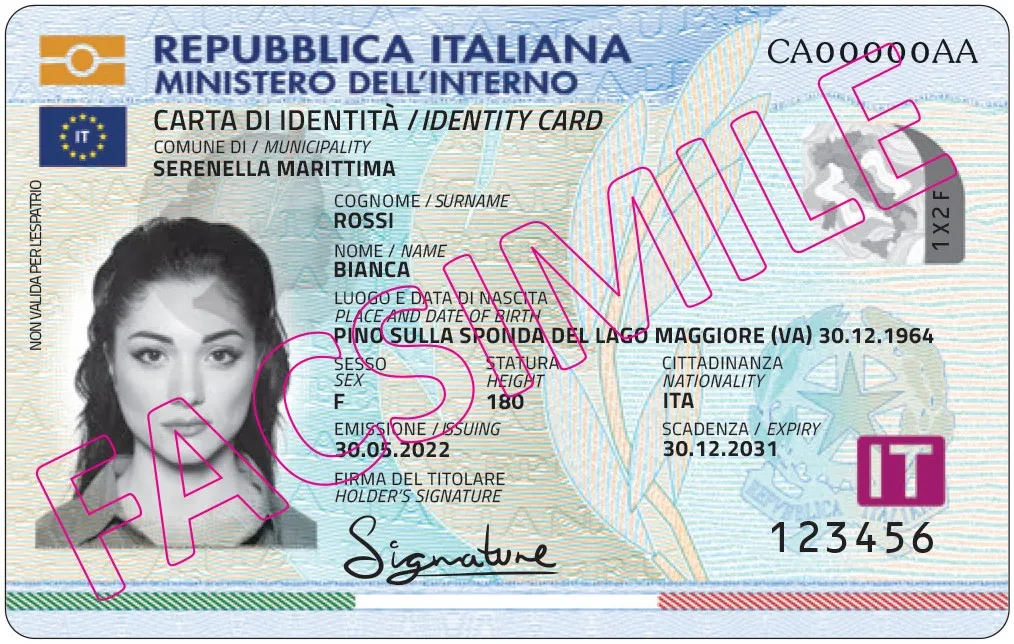
Once you are recognised, the consulate sends your records to the comune in Italy for registration, and you can live in Sicily as any Italian does: no visa, no permesso di soggiorno, just a declaration of residence at the comune. As an EU citizen you can also live, work, study or retire in any other EU country.
Buying a house is open to Australians either way, as I explain in buying property in Italy as an Australian, but living here without a visa or a residence permit, and working without one, come with the passport.
Frequently asked questions
How do I apply for Italian citizenship in Australia?
Check first that you still qualify under the 2025 rules. Then gather the Italian ancestor's birth record from the comune, Australian certificates for each generation from the state registries, and proof of whether the ancestor became Australian; have the Australian documents apostilled by DFAT and translated into Italian; and book on Prenot@mi with the consulate for your state. You hand in the file in person and pay €600 in Australian dollars.
What was the 2026 Italian citizenship ruling?
In ruling 63 of 2026, filed on 30 April 2026, Italy's Constitutional Court rejected the first challenge to the 2025 law, so the law stands. In order 147 of 2026 it then asked the EU Court of Justice whether the law fits EU citizenship rules. That question is still open, and the 2025 rules apply meanwhile.
Can I get Italian citizenship through my grandparents in Australia?
Only if that grandparent still held only Italian citizenship when you were born, or when they died. If your grandparent took Australian citizenship before you were born, the grandparent route is closed under the 2025 law, unless your appointment was booked and confirmed by 27 March 2025.
Does Australia allow dual citizenship with Italy?
Yes. Australia adopted dual citizenship provisions in 2002, and Italy lets its citizens hold another nationality, so you can be Australian and Italian at the same time.
Which Italian consulate do I apply to in Australia?
The one for your state: Sydney for New South Wales (except Queanbeyan and Cooma, which go to Canberra with the ACT), Melbourne for Victoria and Tasmania, Brisbane for Queensland and the Northern Territory, Adelaide for South Australia and Perth for Western Australia.
Is the Sydney consulate taking citizenship appointments?
Not for adults at the moment. Sydney has suspended new adult appointments because Law 11/2026 limits how many adult applications consulates can take until the end of 2028, before they move to an office in Rome in 2029. Applications for children are not affected.
How long does Italian citizenship by descent take in Australia?
Sydney, Melbourne and Perth give 730 days as the time limit to decide once your file is complete, and Adelaide gives 36 months. Getting an appointment can take longer, and none of the consulates publishes appointment waiting times.
How do I prove my grandfather never became an Australian citizen?
Home Affairs can confirm the Australian citizenship status of a parent or grandparent who has died, for use in another country's citizenship application. The consulates also accept documents such as his Australian visa, and Adelaide mentions a VEVO record. The National Archives holds naturalisation files from 1904.
Can I apply for Italian citizenship in Italy instead of Australia?
Yes, if you live legally in Italy and are registered as resident with a comune; you then apply to that comune instead of a consulate. The same 2025 rules apply, and as an Australian you need a visa and residence permit to live there first.
Sources and small print
- Consulate General of Italy in Sydney: citizenship by descent, new regulation, documents for Australian citizens and Law 11/2026, 24 March 2026
- Consulate General of Italy in Melbourne: citizenship by descent
- Consulate of Italy in Perth: citizenship by descent, new rules
- Consulate of Italy in Adelaide: citizenship
- Embassy of Italy in Canberra: the consular network in Australia
- Italian Constitutional Court: ruling 63 of 2026 (in Italian), and order 147 of 2026 in the Gazzetta Ufficiale (in Italian)
- Italian Ministry of Foreign Affairs: citizenship; Italian Ministry of the Interior: Law 91/1992 (article 11, keeping another citizenship; in Italian)
- Department of Home Affairs: request confirmation of the Australian citizenship status of a deceased person and the history of Australian citizenship
- National Archives of Australia: naturalisation records held in Canberra
- European Union, Your Europe: residence rights
This guide is general information, not legal advice. Citizenship cases turn on documents and dates, the law is still before the courts, and consulates change their lists and booking rules, so check your own case with the consulate for your state, or a lawyer who specialises in Italian citizenship.
Credits
Photo: Kiran Naidu, Unsplash Licence, via Unsplash.
Photo: Ministero dell'Interno / IPZS, CC BY 4.0, via Wikimedia Commons.
 The weekly YouTube series