
In this episode
- Why I wanted a home abroad, and how I searched on Idealista
- My criteria: detached, a garden, two bedrooms, near the sea, under €100,000
- Three months and more than 50 viewings along the Sicilian coast
- A villa near Syracuse built over an archaeological site, and a farmhouse with a hidden room
- Measuring the water well, fitting a postbox and opening the gates to the car
Why I bought a house abroad
People ask all the time why I bought a villa in Trapani, Sicily, so on the drive to Leroy Merlin in Palermo I tell the story. It was never just about a holiday home. It was about a whole new lifestyle. I love England and the Yorkshire countryside, but the weather is more drizzle and grey than sunshine, and the constant rain makes it hard to enjoy being outdoors. For years I had dreamed of somewhere blue skies were the norm.
Life in the UK had also become hectic, with soaring property prices and ever higher taxes. I wanted somewhere with a slower pace, a rich culture and stunning landscapes. If you are weighing up the same move, my honest pros and cons of moving to Sicily is worth a read.
How I searched: Idealista and a clear list
I started on Idealista, Italy's main property website, which quickly became my go to tool for narrowing down homes that matched my criteria and budget. I was looking for a detached house with a garden, at least two bedrooms, in a quiet spot near the sea, for under €100,000. I wanted something that had been on the market a while, needed a complete renovation and had the potential to add value.
With my list of favourites I spent three months travelling Sicily's coast, through villages, coastal towns and countryside. It took more than 50 viewings. My guide to planning a property viewing trip to western Sicily is what I wish I had had at the start, and the Sicily area quiz helps you work out which part of the island suits you.
The two deals I walked away from
One of the first was an old villa in a pretty town near Syracuse, with coastal views, an olive grove and an ancient stone wine cellar. During the negotiations my notary called and told me to sit down: the villa had been built over a forgotten archaeological site, a detail left out of the documents. Legally, the state could take the property for heritage protection and exploration, and I could lose everything without compensation. I walked away.
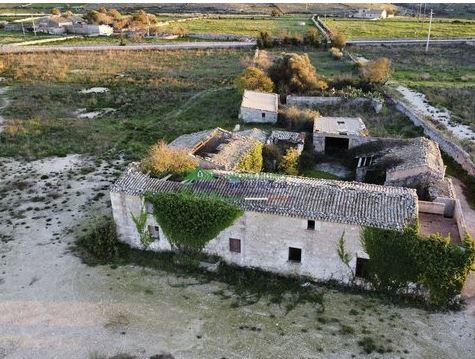
The fifth was a rustic farmhouse outside Palermo with a vineyard and a stone fireplace. Then the local police visited me at my Airbnb. The farmhouse had belonged to a family with deep ties to organised crime, some of whose associates still saw it as their territory, and a hidden room with reinforced doors had been found in the cellar, missing from every official plan. I could technically have gone ahead, but the risk was too great. Both stories are exactly why a good notary matters; read what an Italian notary does.
Why Sicily, and why Trapani
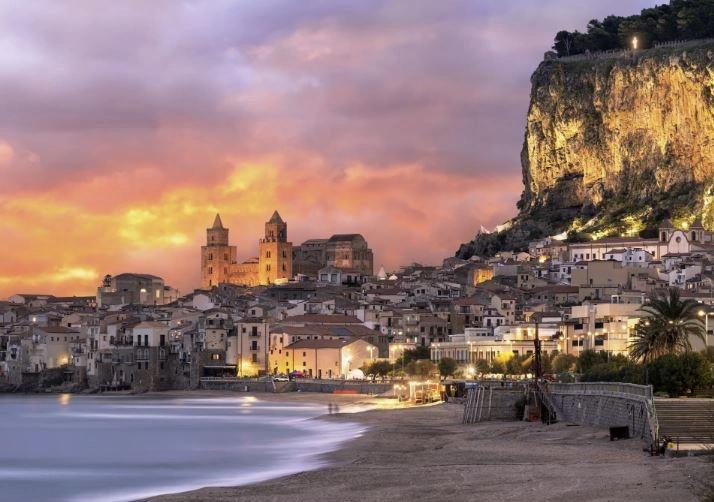
Sicily's history, landscapes and affordable property made it the ideal place. Each town feels like stepping back in time. It is not overdeveloped, local independent shops still thrive and there are stalls by the side of the road instead of the usual high street chains.
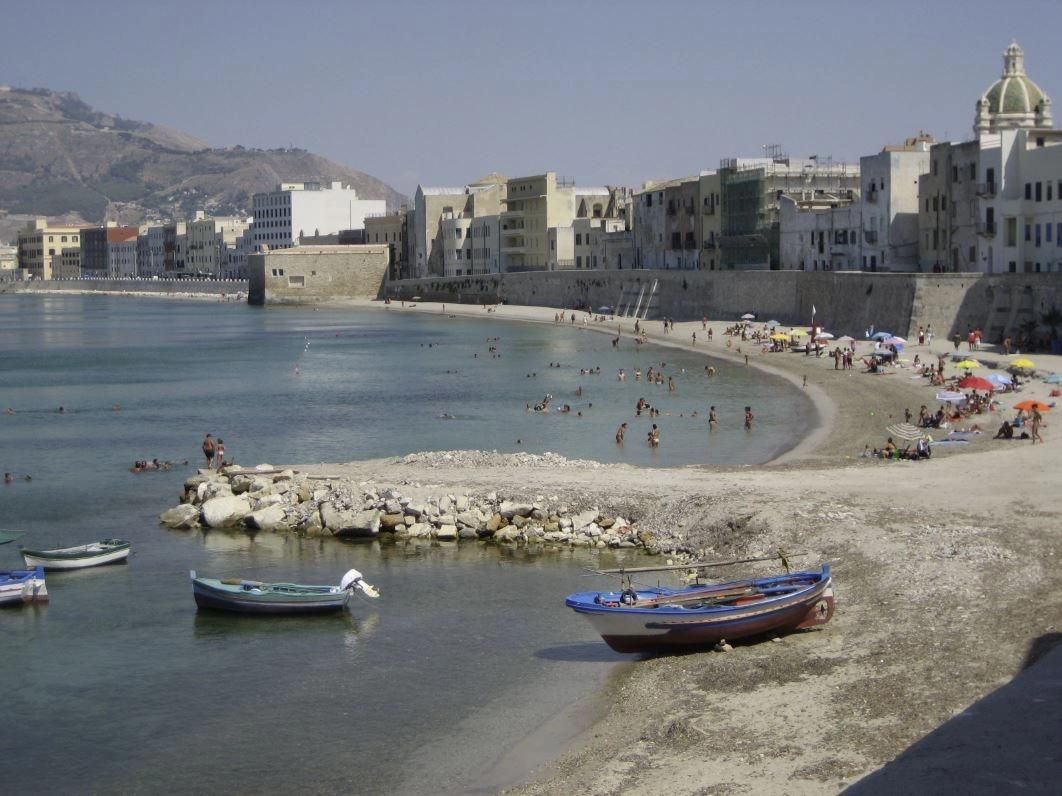
Trapani stood out for its authenticity and accessibility, without the crowds of the tourist hotspots. It has beaches, salt flats and great food and wine, and the local airport has flights to mainland Italy, Europe and even Manchester. It is also the gateway to the Egadi Islands. The villa itself has traditional Sicilian architecture, a walled garden for privacy and a plot just big enough for my own little oasis. It was under budget, under market value and had potential to add value. How the price was negotiated is in episode 9.
Measuring the water well
Back at the villa, I clear the overgrown gates, free the hinges with WD-40 and rake either side so they open fully. Now I can drive the car in instead of carrying every tool and material from the road by hand. At Leroy Merlin, which is like B&Q but far bigger, with sandblasters and welders you rarely see in UK DIY stores, I also bought a postbox, now fitted on the front garden wall.
The big job is the well in the back garden. I need its depth to know what pump to buy, and I need to know how much water is in it. Lifting the cover and shining a torch down, I can see the reflection of the surface. It turns out the well is about 20 metres deep with about 2 metres of water, roughly 565 to 769 litres, which could be a game changer for off grid living. My guide to living off grid in Sicily explains the plan, and the water usage planner shows how far that water goes.
Frequently asked questions
How did you find your villa in Sicily?
I searched on Idealista, Italy’s main property website, shortlisted homes that matched my criteria, then spent three months viewing more than 50 properties along the coast.
What were your criteria for buying in Sicily?
A detached house with a garden and at least two bedrooms, somewhere quiet near the sea, under €100,000, on the market a while and needing a full renovation with room to add value.
Why did you choose Trapani?
It is authentic and uncrowded, with beaches, salt flats and great food, an airport with flights to the UK and mainland Italy, and easy trips to the Egadi Islands.
How deep is the water well at the villa?
About 20 metres deep, with roughly 2 metres of water in the bottom when I measured it, somewhere between about 565 and 769 litres.
More episodes on the same job: Buying the villa
 The weekly YouTube series